 blog
blog
Sewer Line Root Removal Cost: Methods & Pricing
Table of Contents
- What Causes Tree Roots in Your Sewer Line
- Signs of Tree Roots in Sewer Line and When to Act
- Understanding Sewer Line Root Removal Methods
- Roots in Pipes Removal Cost: What to Expect
- Sewer Line Camera Inspection Cost and Benefits
- Factors That Affect Root Removal Pricing
- Root Removal vs. Pipe Repair: Know the Difference
- Long-Term Prevention and Repeat Service Costs
- Frequently Asked Questions
Last Updated: October 5, 2026
What Causes Tree Roots in Your Sewer Line
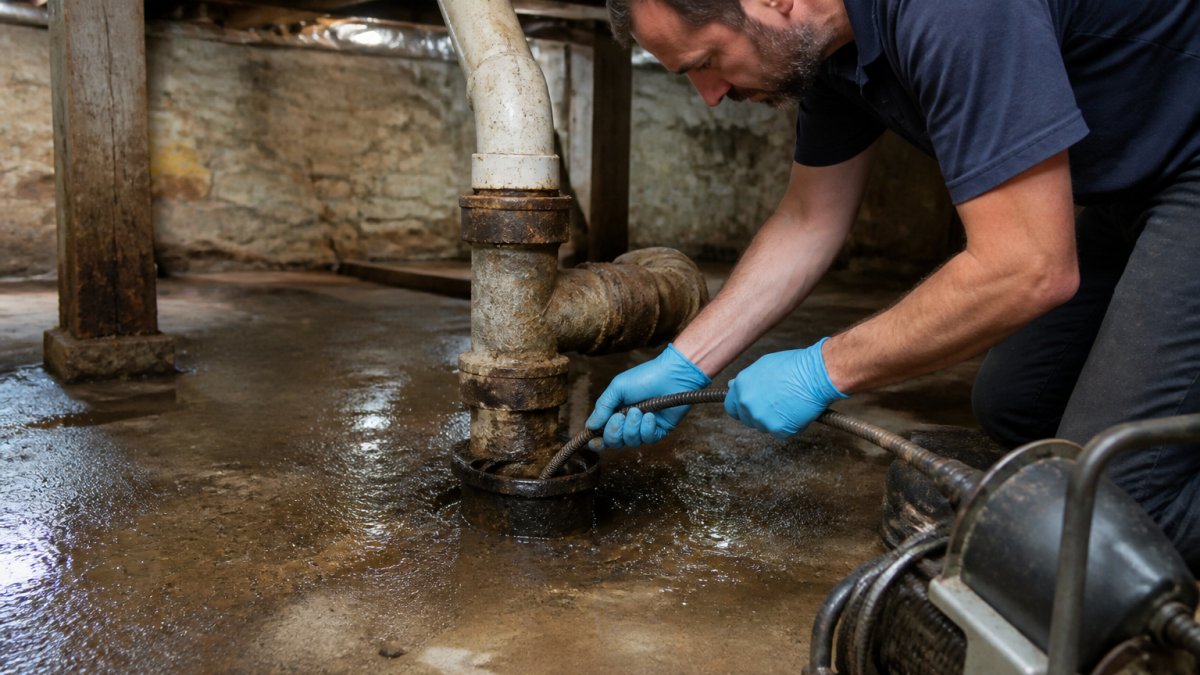
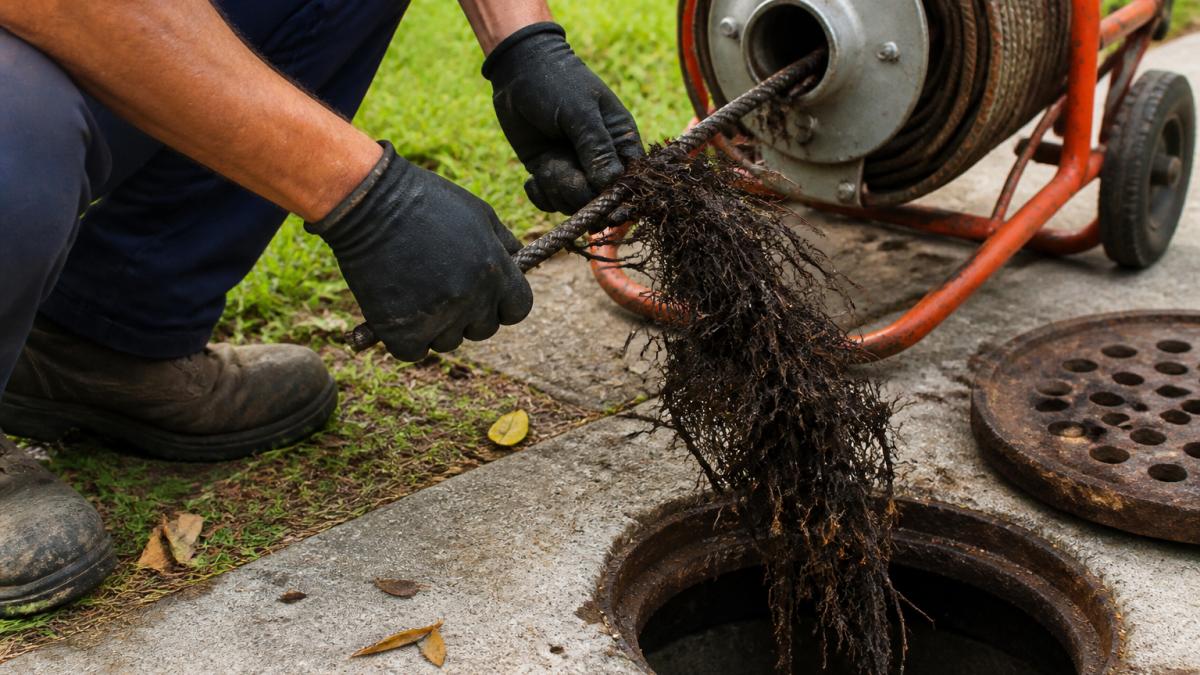
Tree roots naturally seek out moisture and nutrients. Your sewer line is essentially a water source running underground, making it an attractive target. Roots don't actually break through pipes, they exploit existing cracks, loose joints, or deteriorated sections and grow inward over time.
The problem compounds in older homes. Pipes installed decades ago may have settled, shifted, or developed small fractures. Clay pipes, common in homes built before the 1970s, are particularly vulnerable. Even modern PVC pipes can fail if the ground shifts or tree roots apply enough pressure.
Tree species matter too. Willows, maples, and poplars are notorious for aggressive root systems. If these trees are planted within 20-30 feet of your main sewer line, you're at higher risk. The roots follow the line of least resistance, and a leaking pipe is exactly that.
Signs of Tree Roots in Sewer Line and When to Act
The first warning sign is usually a slow drain. You notice water backing up in your shower or tub. Multiple drains in your home might drain slowly at the same time. This points to a blockage in the main sewer line rather than a localized clog.
Sewage backups are the urgent signal. Raw sewage appearing in your basement, yard, or toilets means the line is partially or fully blocked. This isn't just unpleasant, it's a health hazard and requires immediate attention. Don't wait for this to happen; address slow drains before they escalate.
Soggy patches in your yard, unusual grass growth, or a persistent sewer smell are other red flags. These suggest the line has cracked and sewage is leaking into the soil. Tree roots in your sewer line can go unnoticed for months if you're not paying attention, which is why a professional inspection becomes essential once you spot any of these signs.
Understanding Sewer Line Root Removal Methods
Removing tree roots from a sewer line isn't one-size-fits-all. The method depends on the severity of the intrusion, the pipe material, and how accessible the line is. Understanding your options helps you make an informed decision about which approach makes sense for your situation.
Mechanical Root Cutting and Snaking
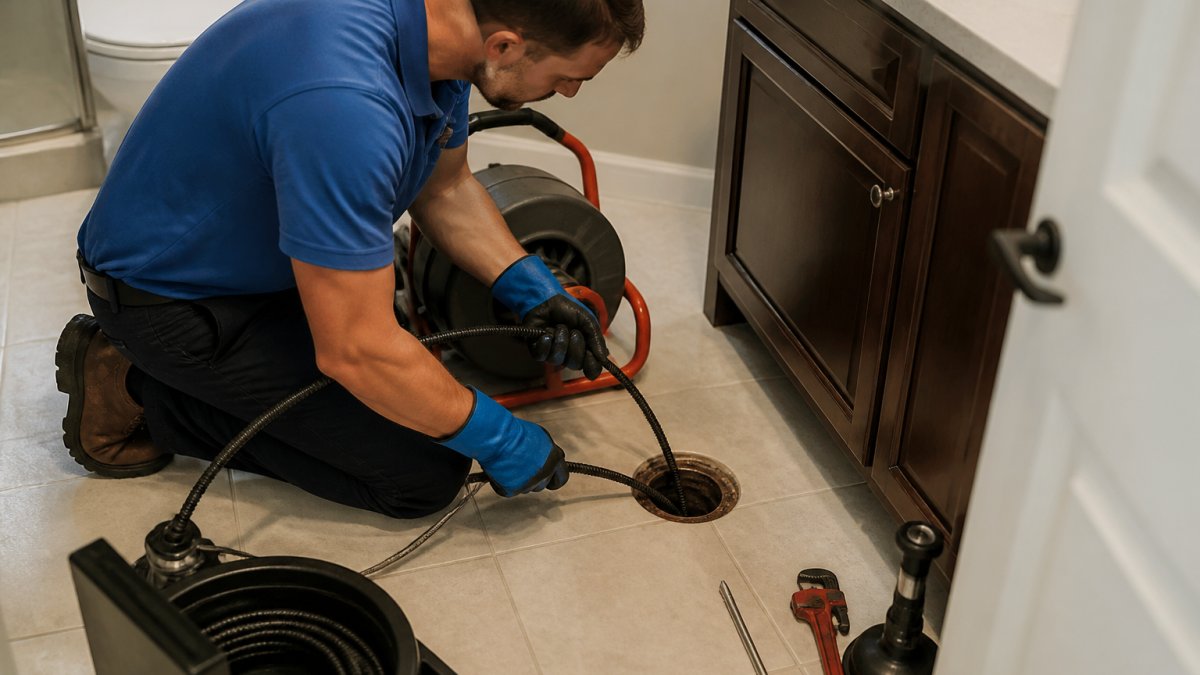
Mechanical root cutting uses a rotating blade or auger to slice through roots blocking the pipe. A plumber feeds a cable with cutting heads down the line, rotating it to break apart the root mass. This method clears the blockage quickly and restores flow.
The limitation is real: it's a temporary fix. You're removing the roots that have already invaded, but the line remains damaged. New roots will eventually regrow in the same location, sometimes within months. For homeowners dealing with roots in pipes removal cost concerns, this is the most affordable initial option, but repeat treatments are common.
Snaking works best for minor to moderate intrusions. If roots have severely damaged the pipe or multiple sections are affected, mechanical cutting may not fully clear the line. A professional plumber can assess whether this approach is sufficient for your situation or if a more aggressive method is needed.
Hydro Jetting for Root Removal
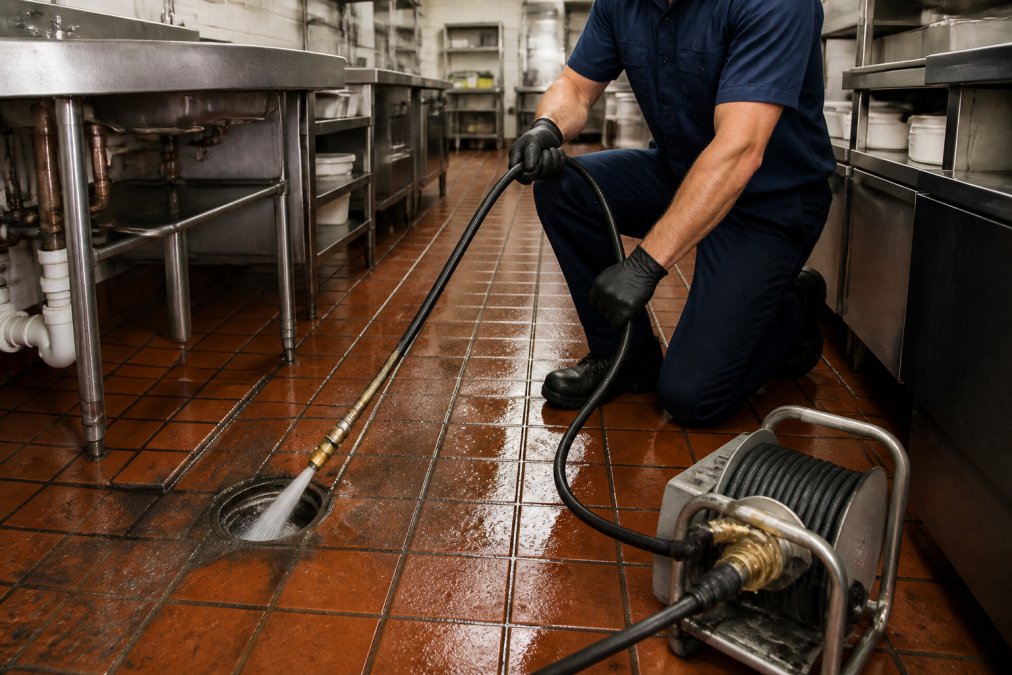
Hydro jetting uses high-pressure water, typically 3,000 to 4,000 PSI, to blast through root blockages and clean the pipe walls. This method is more thorough than mechanical cutting. It removes not just the roots but also grease buildup, mineral deposits, and debris clinging to the pipe interior.
The advantage over snaking is longevity. By thoroughly cleaning the pipe, hydro jetting reduces the likelihood of immediate regrowth. The cleaned pipe walls are less hospitable to new root invasion. Many homeowners find that hydro jetting extends the time before repeat service is needed.
Hydro jetting is safe for most modern pipes but requires caution with older clay or cast-iron lines. Excessive pressure can worsen existing damage. A professional inspection with a sewer camera should always precede hydro jetting to confirm the pipe can handle it. This method costs more upfront than snaking but often delivers better long-term results.
Chemical Root Treatments
Chemical treatments involve pouring herbicide products down the drain or toilet. These products kill roots on contact without harming the pipe. They're advertised as a preventive measure or a way to slow regrowth between professional cleanings.
The reality is more complicated. Chemical treatments kill the roots already in the line but don't remove the dead material. The dead roots can accumulate and create blockages. Additionally, most chemical treatments are temporary, regrowth typically occurs within weeks or months. They're best used as a supplement to professional root removal, not as a standalone solution.
For sewer line root removal methods, chemicals rank as the least effective long-term option. They're inexpensive and easy to apply, which appeals to homeowners, but they don't address the underlying pipe damage or prevent new invasions effectively.
Roots in Pipes Removal Cost: What to Expect
The sewer line root removal cost varies based on the method, severity, and accessibility. A simple snaking service for minor blockage costs less than hydro jetting or camera inspection combined with removal. A service call might include a basic inspection and root clearing for a standard fee.
More complex situations, where the line is deeply buried, multiple sections are affected, or the pipe is damaged, cost more. If the plumber needs to excavate to access the line or if removal requires multiple passes, the total bill increases. Emergency service calls, especially nights or weekends, typically carry higher rates.
At Jersey Shore Sewer & Drain Cleaning, we provide free quotes so you understand the full scope before work begins. We'll explain what method we recommend and why, based on your specific situation.
Sewer Line Camera Inspection Cost and Benefits
A sewer camera inspection uses a waterproof camera on a flexible cable to visually inspect the inside of your line. The camera transmits images to a monitor, revealing the exact location and severity of root intrusion, cracks, or other damage. This diagnostic tool is invaluable for understanding what you're dealing with.
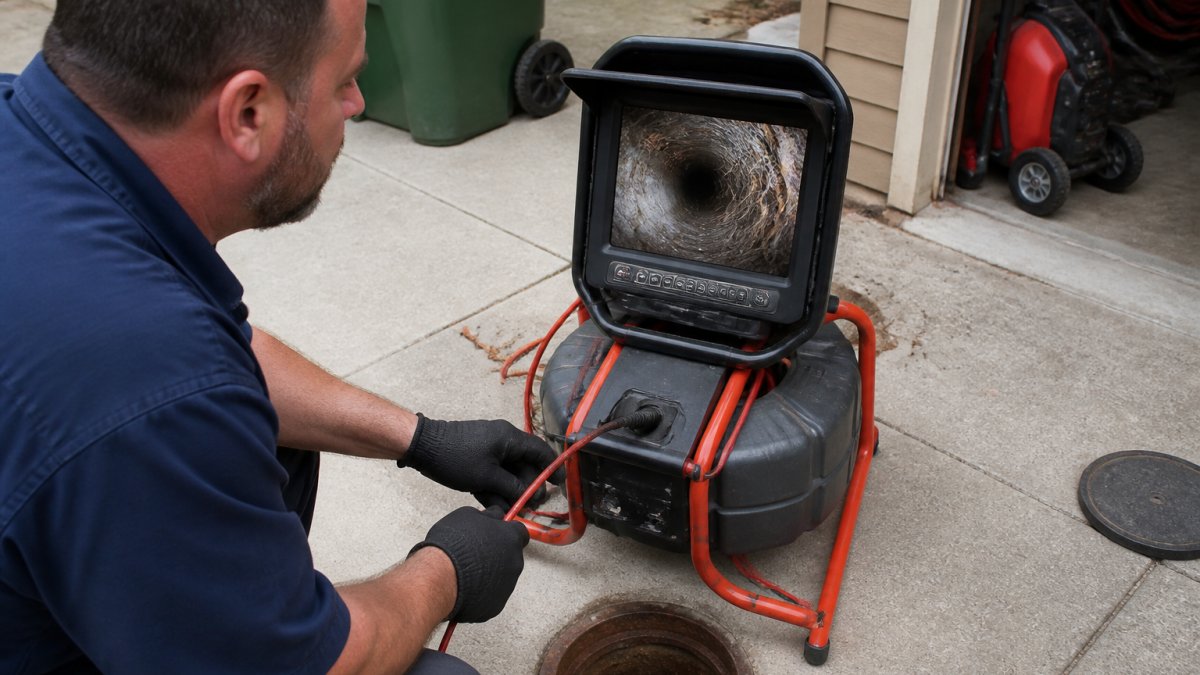
The inspection typically costs less than most removal methods and often saves money overall. Knowing exactly what's wrong prevents unnecessary work or incorrect treatment choices. If roots have damaged the pipe beyond repair, the camera shows this clearly, helping you decide whether removal alone will solve the problem or if pipe repair or replacement is necessary.
Many homeowners find the camera inspection essential for peace of mind. It answers the question: is this just roots, or is the pipe itself compromised? Without this information, you might pay for root removal only to discover weeks later that the real problem was a cracked pipe.
Factors That Affect Root Removal Pricing
Several variables influence the final cost. The depth and location of your main sewer line matter significantly. Lines buried 4-6 feet down are standard, but some homes have deeper lines. Deeper lines take longer to access and treat, increasing labor costs.
Pipe material affects pricing too. Modern PVC pipes tolerate aggressive cleaning methods better than old clay or cast-iron lines. If your line is fragile, the plumber must work more carefully, which takes additional time. Conversely, newer pipes may allow faster, more economical treatment.
The extent of root intrusion determines method selection. Light to moderate intrusion might be cleared with snaking. Severe intrusion, where roots have filled much of the pipe, typically requires hydro jetting or even excavation and repair. The more extensive the problem, the higher the cost.
Accessibility of the cleanout also plays a role. If your sewer cleanout is easily accessible in your yard or basement, work proceeds faster. If the cleanout is buried, blocked, or difficult to locate, additional time and effort are needed to expose it.
Root Removal vs. Pipe Repair: Know the Difference
Removing roots clears the blockage but doesn't fix a damaged pipe. This is a critical distinction many homeowners miss. If the roots have cracked or collapsed the line, removing the roots alone leaves the underlying damage in place. Sewage will continue leaking, and roots will reinvade.
A sewer camera inspection reveals whether the pipe itself is compromised. If the inspection shows cracks, breaks, or collapsed sections, root removal is only a temporary solution. The damaged section must be repaired or replaced to truly solve the problem.
Pipe repair or replacement is more expensive than root removal but addresses the root cause. Trenchless repair methods, like pipe bursting or epoxy lining, avoid extensive excavation. Traditional excavation and replacement is the most invasive but often necessary for severely damaged lines. The cost of sewer line root removal combined with pipe repair is substantial, but it prevents repeated problems and future emergencies.
Long-Term Prevention and Repeat Service Costs
Tree roots in your sewer line often return.
Preventive measures help extend the time between services. Avoid planting trees with invasive root systems near your sewer line.
Some homeowners choose to remove problem trees entirely. This is a one-time expense but eliminates the source of the issue.
At Jersey Shore Sewer & Drain Cleaning, we recommend developing a long-term maintenance plan based on your property's specific conditions.
Tree roots in your sewer line are a common problem in older homes and properties with mature trees.
| Removal Method | Best For | Typical Use Case |
|---|---|---|
| Mechanical Snaking | Minor to moderate blockages | Quick clearing of partial root invasion |
| Hydro Jetting | Moderate to severe intrusions | Thorough cleaning with longer-lasting results |
| Chemical Treatment | Preventive maintenance | Between professional services; temporary solution |
| Camera Inspection | Diagnosis and assessment | Determining if pipe repair is needed alongside removal |
Frequently Asked Questions
How do I know if my sewer line has tree roots?
Can I remove tree roots myself?
Chemical drain treatments are available for homeowners, but they're temporary and often ineffective for significant root intrusion.
How often do roots come back after removal?
This depends on the tree species, proximity to the line, and the removal method used. Snaking might require repeat service within months.
Is hydro jetting safe for old pipes?
Hydro jetting can be risky for very old, fragile pipes. A camera inspection first confirms whether your pipe can tolerate high-pressure water.
What's the difference between root removal and pipe repair?
Root removal clears the blockage but doesn't fix pipe damage.
Frequently Asked Questions
How can I tell if tree roots are in my sewer line?
Common signs include slow drains throughout your home, recurring clogs, sewage backups, patches of unusually lush grass in your yard, and gurgling sounds from drains or toilets. A professional sewer camera inspection is the only way to confirm root intrusion. If you notice multiple drains slowing at once or smell sewage near your foundation, contact a plumber immediately. Early detection prevents costly pipe damage.
What is the best way to get rid of roots in a sewer line?
The best method depends on root severity and pipe condition. Mechanical root cutting works for minor intrusions; hydro jetting clears roots and buildup simultaneously, and a professional inspection can determine its suitability for older pipes. Chemical treatments slow regrowth but don't remove existing roots. A sewer camera inspection reveals which method suits your situation. For severe damage, partial pipe replacement may be necessary alongside root removal. Professional assessment ensures the right choice.
Will removing roots from a sewer line prevent them from coming back?
Root removal clears the current blockage but doesn't stop regrowth if the pipe remains cracked or joints are damaged. Trees naturally seek water, so they return to compromised pipes within 1-3 years. Preventive measures include chemical root barriers, regular hydro jetting maintenance, or pipe repair to seal entry points. Long-term prevention requires addressing the underlying pipe damage, not just clearing roots repeatedly.
When does a root-clogged sewer line need repair or replacement?
If roots have penetrated deep into the pipe or caused cracks, removal alone won't solve the problem. A camera inspection reveals pipe damage severity. Minor cracks may need sealing; extensive damage requires partial or full sewer line replacement. Repeated root intrusions within a year also signal pipe failure. Repair costs are higher than removal, but they prevent future emergencies and eliminate the root cause rather than treating symptoms.