 ultimate-guide
Sewer Camera Inspection Cost 2026: What You'll Pay
Table of Contents
- Sewer Camera Inspection Cost in 2026: Quick Comparison
- What Drives the Sewer Camera Inspection Cost in 2026
- Sewer Line Inspection Duration: How Long Does It Take?
- Benefits of Sewer Camera Inspection for Homeowners and Buyers
- How to Read a Sewer Camera Inspection Report
- Inspection vs. Cleaning: What You're Actually Paying For
- Conclusion
- Frequently Asked Questions
Last Updated: September 16, 2026
Sewer Camera Inspection Cost in 2026: Quick Comparison
Sewer camera inspection cost in 2026 depends on line length, access, and camera travel distance, not a flat national rate. This guide from Jersey Shore Sewer & Drain Cleaning breaks down what drives the price so you can compare quotes.
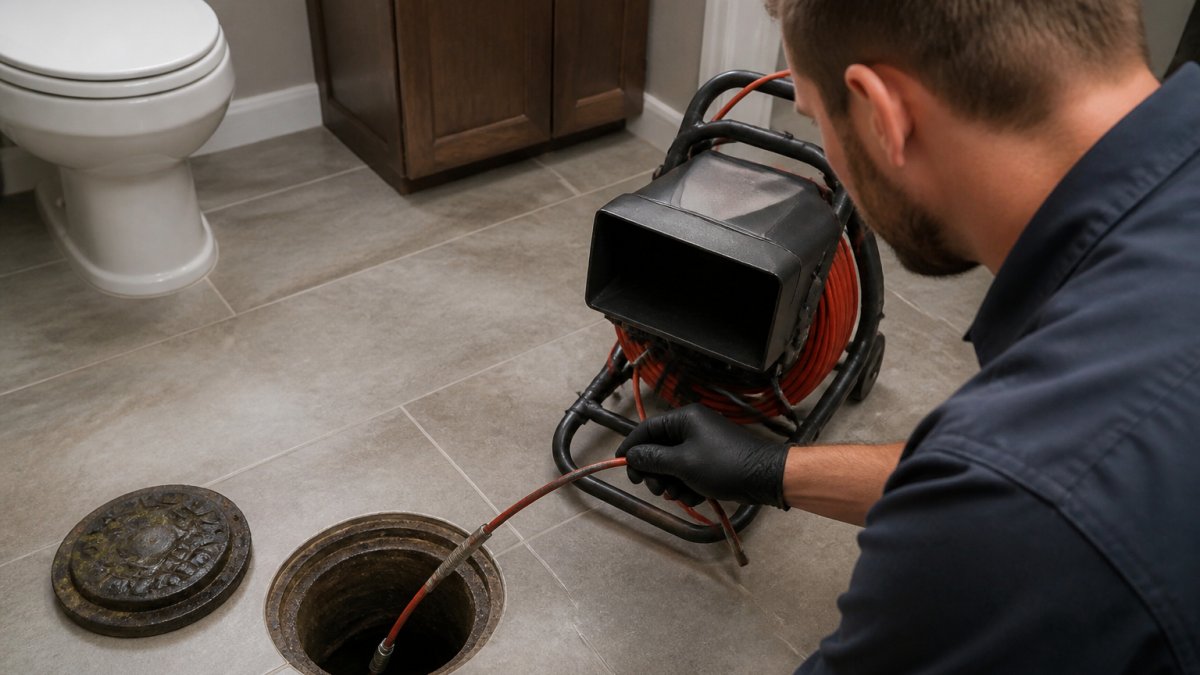
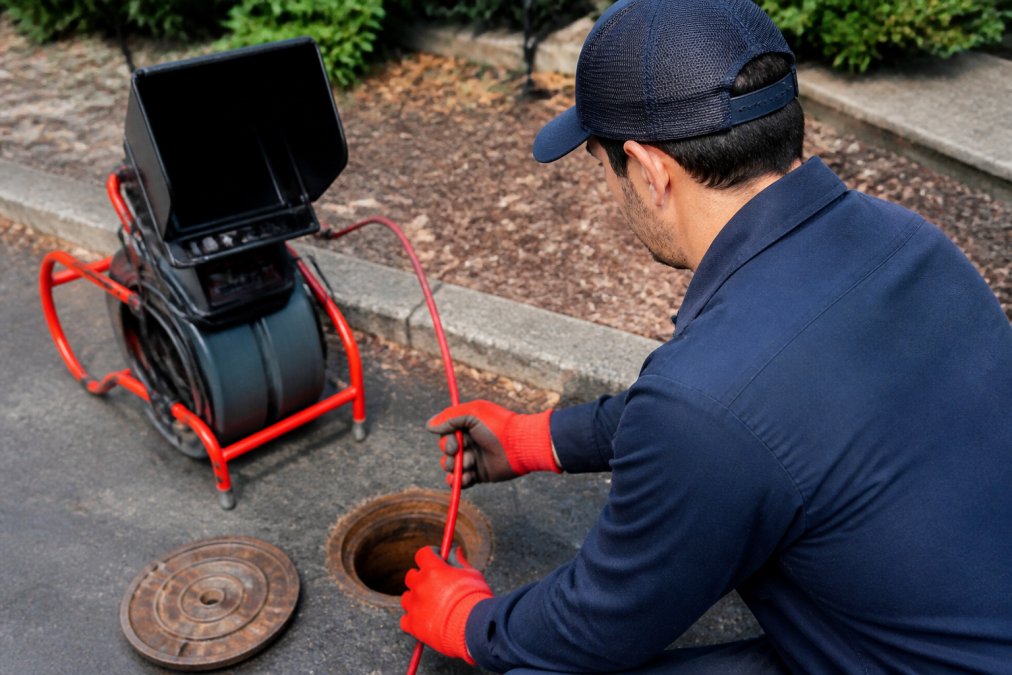
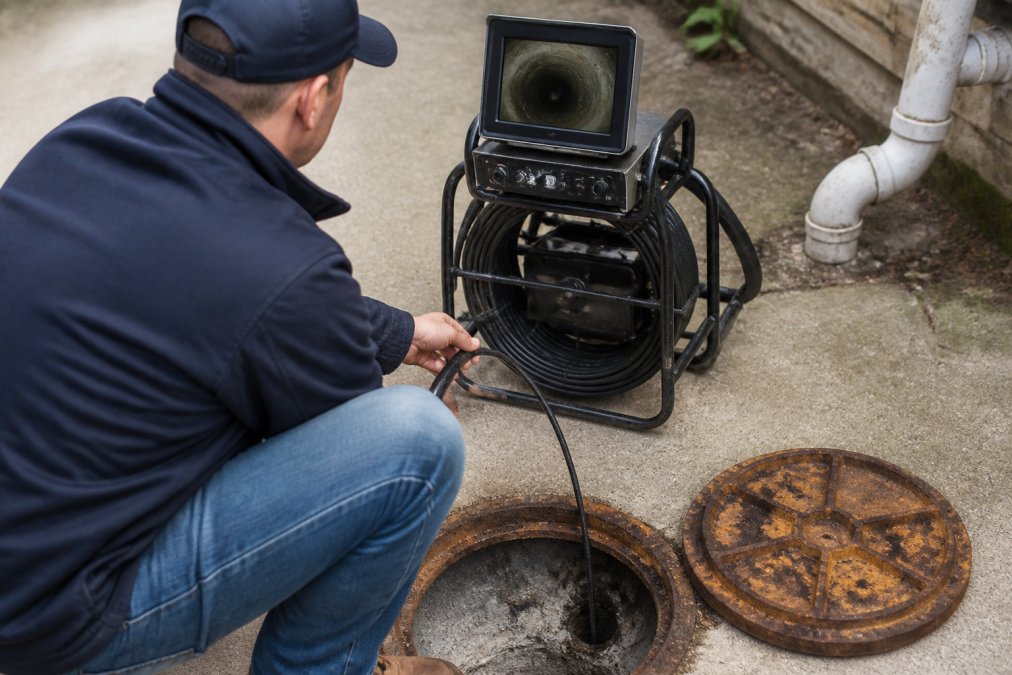
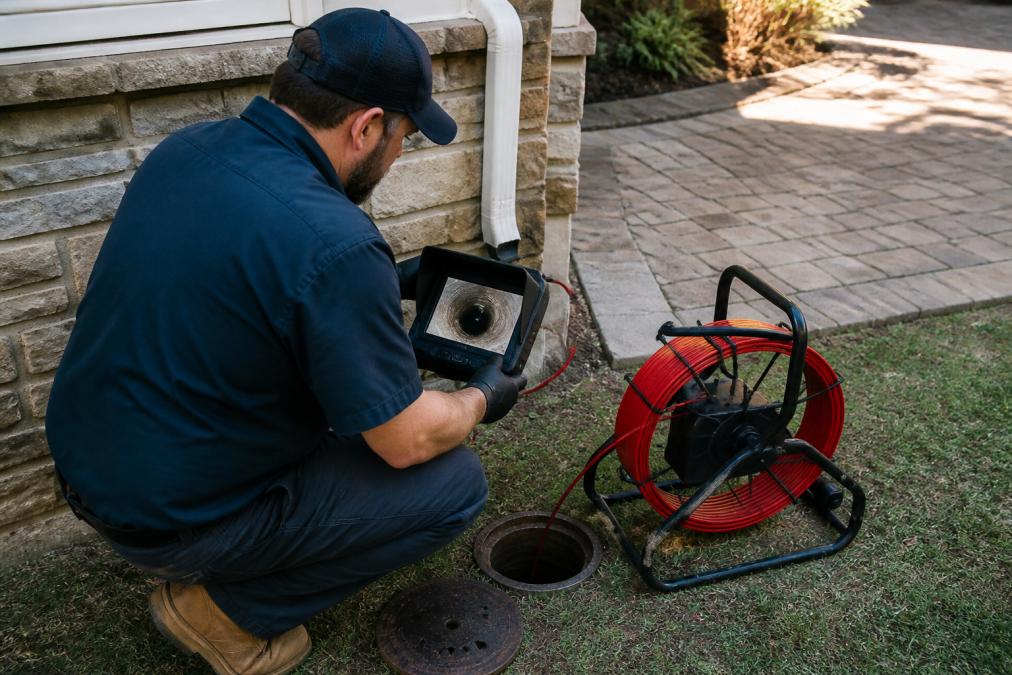
A sewer camera inspection threads a fiber optic camera through the main sewer line to record its interior condition, revealing root intrusion, cracks, and blockages a drain snake cannot detect.
Three things push the price up or down more than anything else: how long the line runs, how deep it sits, and whether the technician can reach a cleanout access point without digging.
U.S. Environmental Protection Agency guidance on private sewer lines
Most providers quote a service call fee plus a per-foot charge, and many offer flat-rate pricing for standard homes. A low service call fee can hide a high per-foot rate on a long lateral.
| Cost Factor | What It Covers | Typical Impact on Price |
|---|---|---|
| Service call fee | Technician dispatch and setup | Fixed, low to moderate |
| Per-foot charge | Camera travel through the line | Rises with line length |
| Access difficulty | Locating or creating a cleanout | Can add significant cost |
| Line depth | Deeper lines need more cable | Moderate increase |
What Drives the Sewer Camera Inspection Cost in 2026
Four variables explain most of the variation between quotes: line length, depth, pipe diameter, and access.
Line Length, Depth, and Pipe Diameter
A standard residential sewer lateral runs from the house to the municipal connection, and that distance varies enormously. A short urban lot might need 30 feet of camera travel. A larger suburban property can run past 100 feet. Since most providers bill per foot, a long line is the single biggest driver of a higher bill.
Depth matters too: deeper lines require more push cable and feeding time, which shows up as added labor. Pipe diameter plays a smaller role, though narrow clay or cast iron lines can slow the camera.
Pipe material also shapes the diagnosis. Older clay and cast iron are more prone to root intrusion and joint separation than PVC, so an inspection on an older line often surfaces more findings.
Access Point Limitations and Cleanout Availability
This is where estimates go sideways. To run a camera, the technician needs a cleanout access, a capped opening in the line. If your property has none, or it is buried under landscaping or a finished floor, the provider must locate or create one.
That adds labor and equipment time, and it is one of the most common reasons a quote changes on site. Before you book, ask where the cleanout is and confirm it is accessible.
Sewer Line Inspection Duration: How Long Does It Take?
Most residential sewer camera inspections run 30 to 60 minutes on site, but that range hides variation. Breaking the visit into phases shows where the time goes.
A typical visit breaks down roughly like this:
- Setup and equipment staging: 5 to 10 minutes to run the push cable reel, connect the monitor, and confirm transmission.
- Cleanout location and access: 5 to 15 minutes if obvious and clear; 30 minutes or more if buried or missing.
- Camera travel: 10 to 20 minutes for a standard 30-to-60-foot lateral; longer laterals or heavy buildup slow the camera.
- Footage review and report writing: 10 to 20 minutes to mark defects by distance and produce a written summary.
What Stretches the Visit Past an Hour
Three conditions reliably add time:
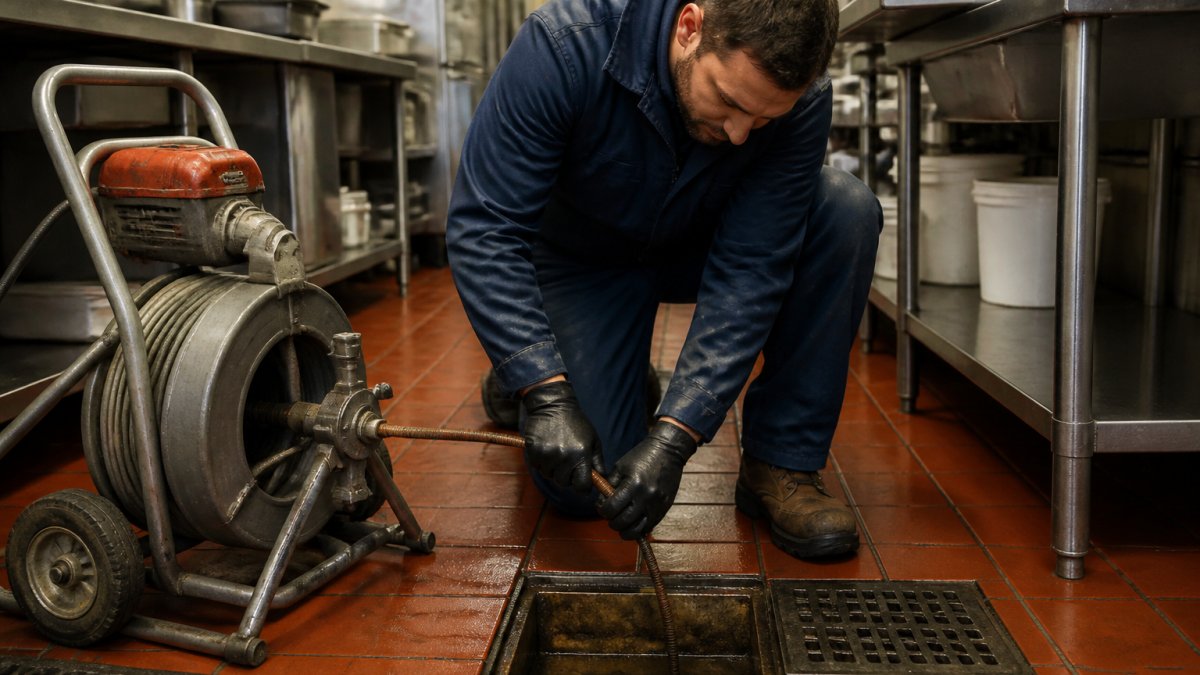
A line that needs cleaning first. If grease, roots, or scale block the camera's view, the technician must hydro-jet or snake the line, then run the camera again. That second pass can double on-site time.
Scheduling Around a Real Estate Deadline
For a real estate transaction, the inspection is only half the deliverable. The buyer's lender and seller's agent typically want the video file and written report before the inspection contingency deadline, often 7 to 10 days after the offer is accepted.
- Can the written report and video file be delivered the same day as the inspection?
- Does the report format include defect locations, pipe material, and a condition rating that a lender will accept?
Duration Is Not the Same as Thoroughness
A fast inspection is not automatically a good one. A technician who finishes in 15 minutes on a 100-foot lateral either has a very clean line or did not run the camera the full length. Ask for the video file and check that the footage shows the camera traveling from the cleanout to the municipal connection.
Benefits of Sewer Camera Inspection for Homeowners and Buyers
The core benefit is certainty. A video pipe inspection replaces guesswork with visual evidence, showing the actual condition of the line before you spend money on a repair.
How to Read a Sewer Camera Inspection Report
A sewer camera inspection report should include the video recording, a written summary, and a condition rating for each section of the line. If you only get footage, ask for the written findings.
What to Do After the Report: A Remediation Roadmap
The report is only useful if you know what the findings mean for your next decision. Here is how to translate common findings into action.
Using the Report in a Real Estate Negotiation
For a buyer, the inspection report is leverage. A documented defect with a location, a video timestamp, and a repair estimate gives you a concrete basis to ask the seller for a credit, price reduction, or repair before closing.
Insurance Coverage: What the Report Does and Does Not Do
Homeowners insurance generally does not cover the cost of a sewer camera inspection itself, because it is a diagnostic service rather than a sudden loss. Coverage for the repair depends on the cause.
Inspection vs. Cleaning: What You're Actually Paying For
Inspection and cleaning are two different services, and confusing them is the most common homeowner mistake. An inspection diagnoses; cleaning removes.
Here is how to think about which you need:
- Recurring clogs in the same spot: get an inspection, because the cause is structural, not just buildup.
- A single slow drain: cleaning may be enough.
- Buying or selling a home: you need the inspection and its report, not just a cleaning.
- Tree roots confirmed: you need both, cleaning to clear and inspection to document.
Conclusion
The number on a sewer camera inspection quote is never arbitrary. Line length, depth, cleanout access, and pipe material explain almost all the variation, and knowing which factors apply to your property lets you compare bids.
Frequently Asked Questions
How much does it cost to run a camera through a sewer line?
The price depends on line length, access point, pipe diameter, and whether the inspection is part of a real estate transaction. A standard residential sewer scope often costs more than a simple drain snaking because it requires a fiber optic camera, a plumbing technician's time, and a written report. Flat-rate pricing is common, but some companies charge a service call fee plus a per-foot rate. For an accurate quote, contact a licensed provider with your property details.
Is a sewer scope inspection worth it?
A sewer scope is worth it when you're buying a home, when you've had repeat clogs, or when your pipes are older clay or cast iron. The camera identifies root intrusion, pipe collapse, and blockages that a standard home inspection won't catch. For a real estate transaction, the report gives you visual evidence to negotiate repairs or request a credit. Skipping it can mean inheriting a five-figure trenchless repair.
What factors influence the total cost of a sewer camera inspection?
Key factors include the depth and length of the main sewer line, whether a cleanout access is available, the pipe material (PVC, cast iron, or clay), and the need for hydro-jetting before the camera can pass. Labor costs vary by region, and emergency or after-hours calls add a premium. Flat-rate pricing bundles these into one fee, while hourly pricing can increase if the technician hits an obstruction.
How long does a sewer camera inspection take?
Most residential sewer line inspections take 30 to 60 minutes from setup to report. If the line needs hydro-jetting first to clear debris, expect 1 to 2 hours. Commercial properties with longer runs or multiple access points can take 2 to 3 hours. The technician should provide a video recording and a written report before leaving, so you have documentation for repairs or a real estate closing.
What should I look for in a sewer camera inspection report?
Look for the pipe material, the depth of the line, the location of any defects (measured in feet from the access point), and a clear description of root intrusion, cracks, or blockage. The report should include a video recording and still images. If the technician recommends trenchless repair or hydro-jetting, the report should show the visual evidence. Ask for a copy before you authorize any work.