 how-to
Signs of Sewer Line Tree Roots: A How-To Guide
Table of Contents
- What You'll Need to Identify Sewer Line Tree Roots
- Common Signs of Sewer Line Tree Roots
- Why Tree Roots Target Sewer Lines
- Sewer Camera Inspection Cost and How It Works
- Hydro Jetting for Sewer Roots: When and Why It Works
- Cost of Removing Tree Roots From Pipes
- When to Call a Professional vs. DIY Attempts
- Preventative Measures for Sewer Line Health
- Frequently Asked Questions
Last Updated: September 25, 2026
What You'll Need to Identify Sewer Line Tree Roots
Identifying sewer line tree roots requires the right tools and knowledge. At Jersey Shore Sewer & Drain Cleaning, we help homeowners and property managers recognize the warning signs before a small problem becomes an expensive emergency.
Look for soggy patches, unusually lush grass, or slow drains, a smartphone camera can document these signs for professional inspection.
A sewer camera inspection is the gold standard for diagnosis, revealing root damage, cracks, and blockages via real-time video without digging.
Record when problems started to help professionals assess damage progression.
Common Signs of Sewer Line Tree Roots
The warning signs of sewer line tree roots appear both inside and outside your home. Catching them early makes repairs simpler and less costly.
Indoor plumbing warning signs
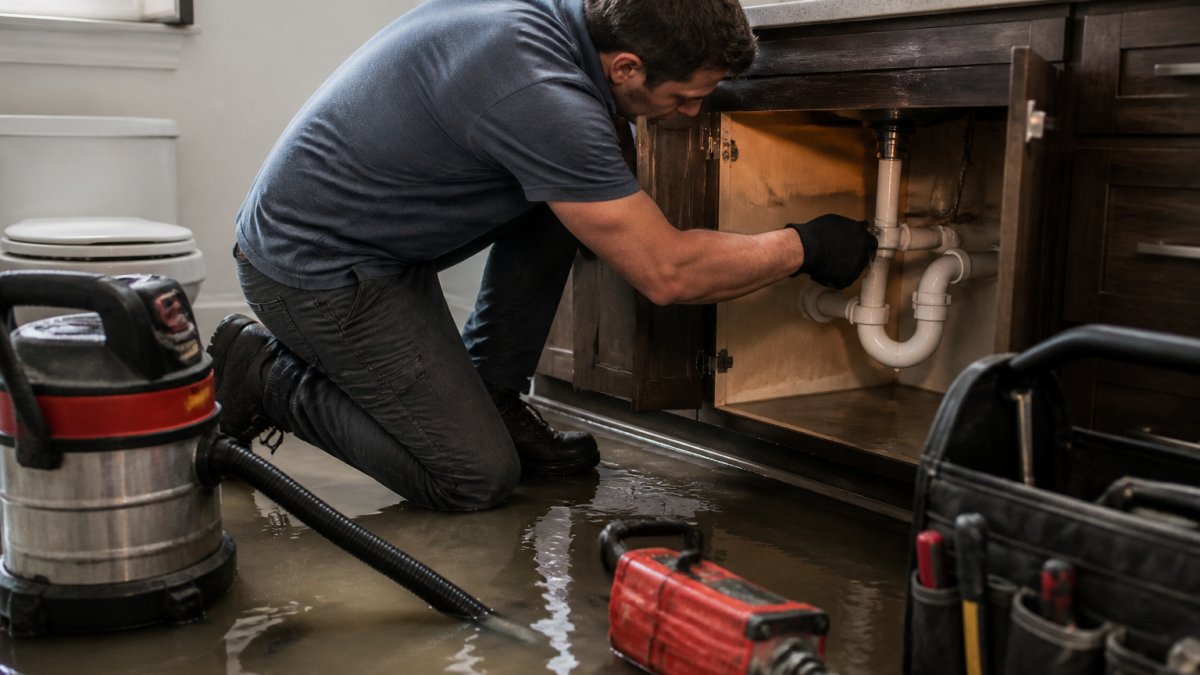
Slow drains are often the first clue, with water backing up in showers, tubs, or toilets, sometimes accompanied by gurgling noises.
Multiple fixtures draining slowly signals a main sewer line problem, not a single drain pipe issue.
Foul odors indicate sewer gas escaping through damaged pipe joints caused by tree roots.
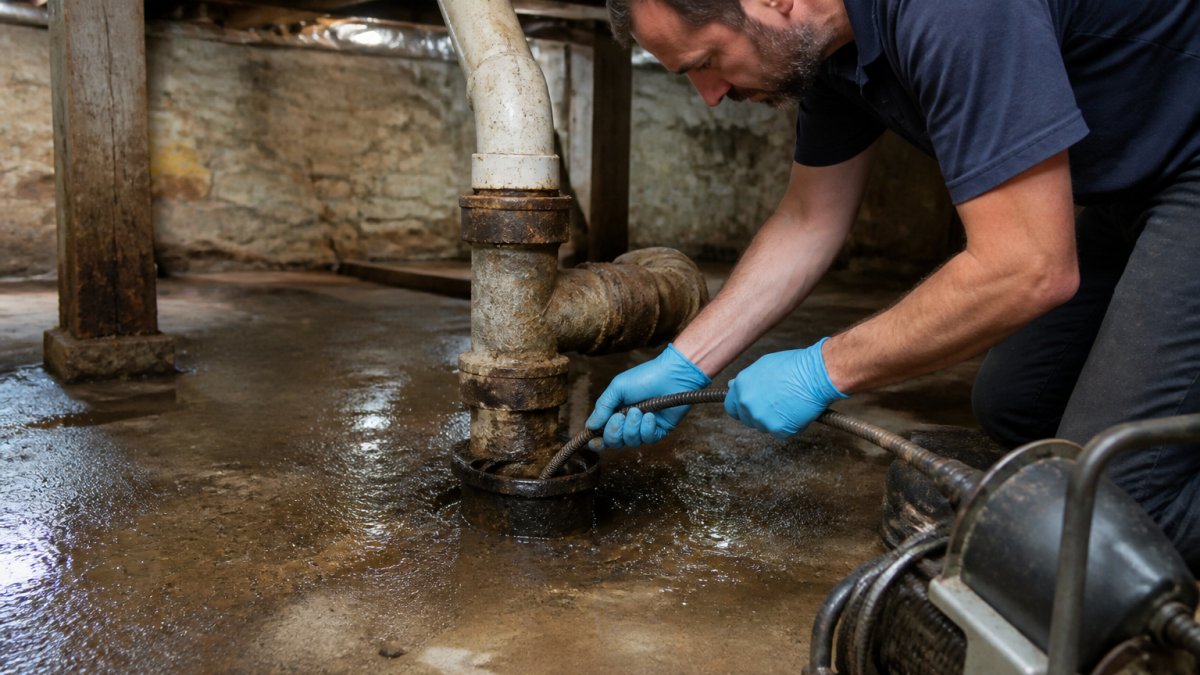
Sewage backups are the most serious sign. Raw sewage appears in your lowest-level fixtures, typically the basement toilet or shower. This requires immediate professional attention.
Outdoor indicators
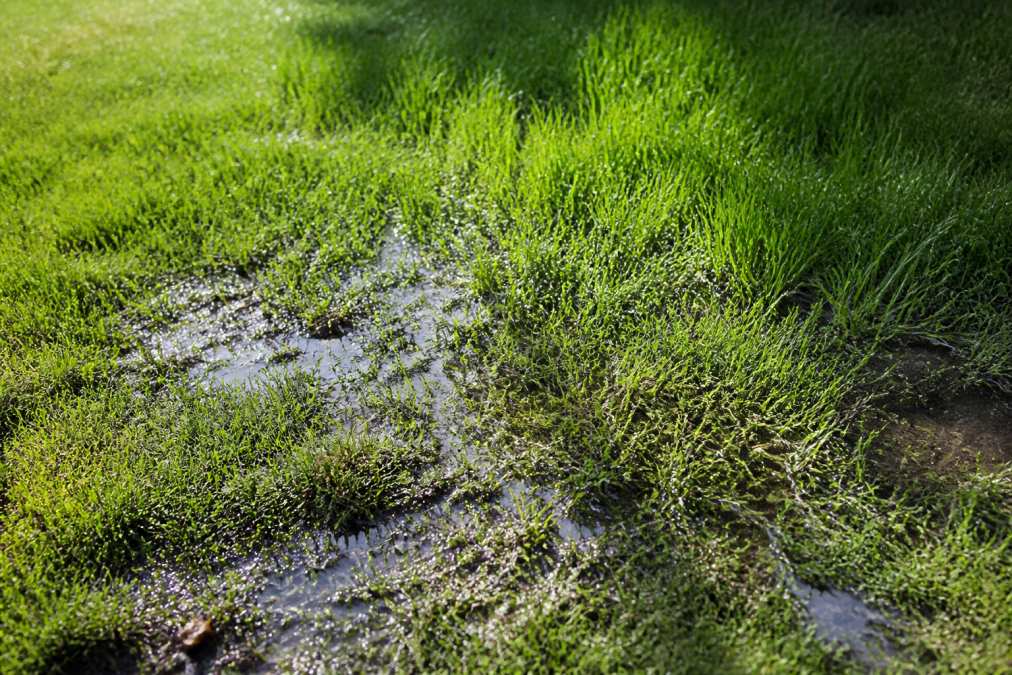
Soggy patches that stay wet during dry weather signal water escaping from a damaged sewer line; grass grows thicker and greener above the leak.
Cracks in your foundation or driveway can result from settling soil caused by pipe deterioration; have a professional investigate promptly.
Unusually lush grass in one yard section indicates tree roots have invaded your sewer line, thriving on sewage nutrients.
Indentations or sunken spots indicate soil collapse above a damaged pipe losing structural integrity.
Why Tree Roots Target Sewer Lines
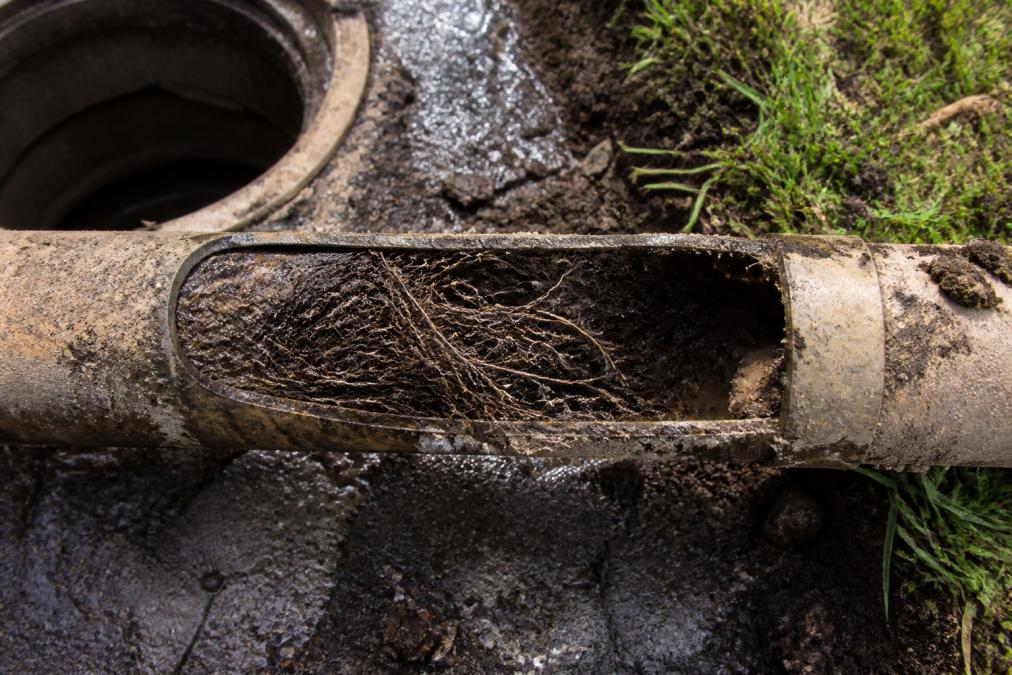
Tree roots seek moisture and nutrients in sewer lines. Once they detect a crack or joint opening, they penetrate the pipe and branch inside to form blockages.
Tree species risk assessment
Not all trees pose equal risk to sewer lines. Understanding which species are aggressive root growers helps you make informed landscaping decisions.
High-risk species (avoid planting within 20-30 feet of your sewer line):
- Willows, Extremely aggressive; roots can travel 40+ feet toward moisture
- Maples, Fast-growing with shallow roots that exploit pipe cracks
- Poplars, Rapid growers with invasive roots
- Ash trees, Moderate to high risk
- Birches, Shallow root systems that spread laterally
- Elms, Vigorous roots that exploit damaged pipes
Moderate-risk species (plant at least 10 feet away):
- Oaks, hickories, and sycamores have deeper root systems but can still cause problems if pipes are already compromised
Lower-risk species (safer to plant closer, though 5-10 feet is still prudent):
- Dogwoods, crabapples, and smaller ornamental trees have less aggressive root systems
Pipe material vulnerability
Your sewer line's material determines how easily roots penetrate it. This is critical: a 60-year-old clay pipe and a 10-year-old PVC pipe respond very differently to root pressure.
Clay pipes (installed before 1970s), Most vulnerable. Roots exploit natural separations between segments; even small cracks widen as roots push through.
Cast-iron pipes (1920s-1970s), Moderately vulnerable. Corrosion creates gaps at joints where roots enter; joint deterioration is the weak point.
Asbestos-cement pipes (1940s-1980s), Moderately vulnerable. Roots exploit joint separations; joints fail over decades.
PVC and ABS plastic pipes (1970s-present), Most resistant. Plastic doesn't corrode and modern joints use rubber gaskets, but poor installation or ground settling can allow root entry.
If your home was built before 1980, your sewer line is likely clay or cast-iron, both high-risk for root intrusion. If your line was replaced after 2000, it's probably PVC and far more resistant.
Seasonal and environmental factors
Root growth accelerates in spring and summer; sewer problems spike May through September. Drought increases root pressure as trees search for moisture.
Older, established trees pose greater risk than young saplings. A 40-year-old maple has a massive root system; a newly planted tree does not.
Sewer Camera Inspection Cost and How It Works
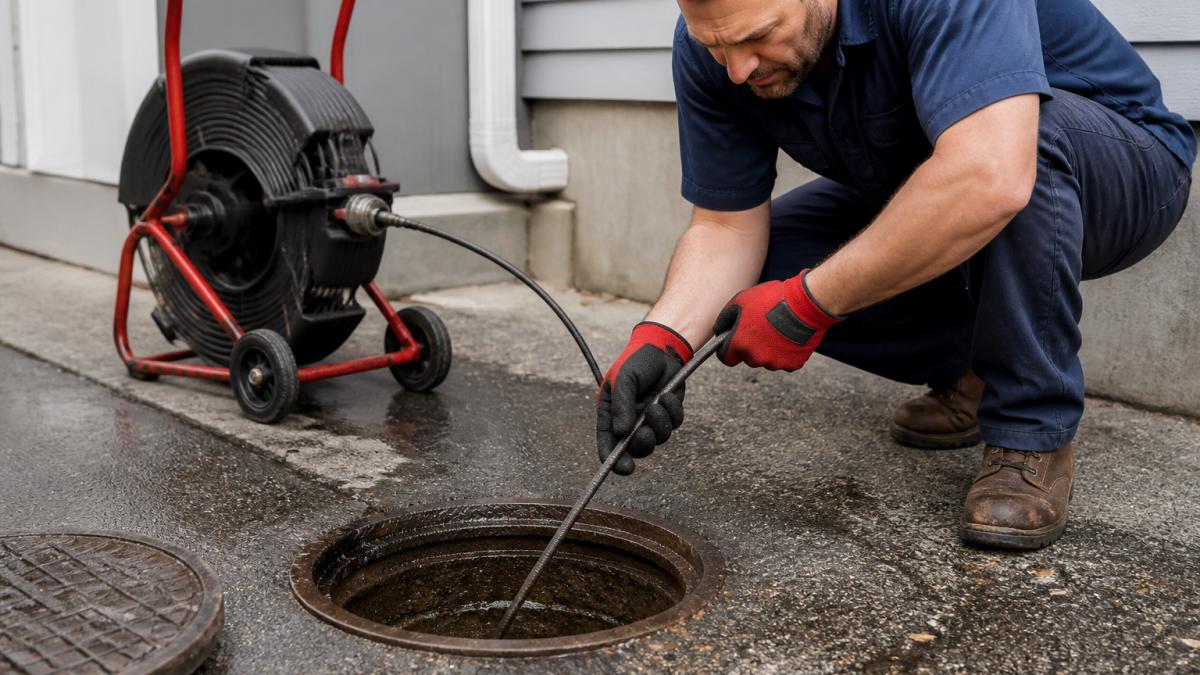
A sewer camera inspection uses a waterproof camera on a flexible cable fed through your cleanout, transmitting live video to a monitor above ground.
The inspection reveals exact location and severity of root intrusion, cracks, blockages, and damage in real time.
Video is recorded and saved with a detailed report, valuable for insurance claims and home sales.
Hydro Jetting for Sewer Roots: When and Why It Works
Hydro jetting uses high-pressure water (4,000+ PSI) to cut through root masses and debris.
Hydro jetting works well for preventative maintenance.
Cost of Removing Tree Roots From Pipes
The cost of removing tree roots varies widely based on severity, pipe material, location, and the method chosen. More importantly, each method has different permanence, safety, and damage-risk profiles. Understanding these trade-offs helps you decide whether a temporary fix or full replacement is the right investment.
Chemical root killers: Low cost, limited effectiveness, safety concerns
How it works: Copper sulfate herbicides poison roots on contact; dead roots decompose and wash away with wastewater.
Pros:
- Least expensive option
- No digging or equipment needed
- Can be applied by homeowners (though professional application is safer)
Cons and risks:
- Leaches into groundwater; damages septic systems
- Toxic if ingested; poses risks to children and pets
- Ineffective on large infestations; doesn't address underlying cracks
- Temporary solution; roots regrow quickly
- Restricted or prohibited in some municipalities
Mechanical auger removal: Moderate cost, risk of pipe damage
How it works: A rotating cable with a cutting head breaks up root masses and pushes debris toward the main sewer.
Pros:
- Physically removes roots rather than just poisoning them
- Faster than hydro jetting for severe blockages
- Works on most pipe types
Cons and risks:
- Mechanical force can crack older clay or cast-iron pipes
- Incomplete removal; roots regrow from embedded fragments
- Requires professional equipment and skill
Hydro jetting: Higher cost, superior cleaning, pipe-dependent
How it works: High-pressure water (3,000-5,000 PSI) scours pipe walls, removing roots, grease, and mineral buildup.
Pros:
- Cleans the entire pipe, not just the blockage
- Removes roots and debris in one pass
- Safer for modern pipes than mechanical augers
- Effective preventative maintenance when done annually
- No digging required
Cons and risks:
- Old clay and cast-iron pipes can crack; camera inspection required first
- Temporary solution; doesn't fix underlying cracks
- More expensive than auger removal
- Ineffective on deeply embedded roots
Full sewer line replacement: Highest cost, permanent solution
How it works: The damaged line is replaced with new PVC or ABS pipe using trenchless or traditional excavation methods.
Pros:
- Permanent solution; eliminates recurring problems
- Newer pipes are more durable and resistant to root intrusion
- No more temporary repairs or repeated service calls
- Trenchless options minimize landscape disruption
Cons:
- Highest upfront cost
- Traditional excavation is disruptive; trenchless methods less so but still require access points
- May require permits and inspections
Decision framework: Repair vs. replace
Choose a temporary fix (chemical, auger, or hydro jetting) if:
- Your sewer line is less than 30 years old
- Root intrusion is mild to moderate (no sewage backups)
- You plan to stay in your home fewer than 5 years
- Your budget is limited and you can tolerate recurring maintenance
Choose full replacement if:
- Your sewer line is over 50 years old (likely clay or cast-iron)
- You've had multiple root intrusions in the past 5 years
- Sewage is backing up into your home
- You're selling your home soon (buyers will require disclosure)
- The cost of repeated repairs approaches 50% of replacement cost
When to Call a Professional vs. DIY Attempts
A plunger fixes many single-drain clogs; drain cleaners work for minor buildup in accessible pipes.
Call a professional if:
- Multiple drains are slow or backing up
- You smell foul odors from your drains
- You see sewage in your basement or yard
- You have soggy patches or sunken areas in your yard
- Your plunger or drain cleaner didn't solve the problem
Preventative Measures for Sewer Line Health
Prevention is far cheaper than repair. Simple steps protect your sewer line from root intrusion and other damage.
Frequently Asked Questions
What are the most common signs of sewer line tree roots?
The most frequent warning signs include slow drains, gurgling noises from plumbing fixtures, foul odors near drains or in the yard, and soggy patches of unusually lush grass over the sewer line. Indoors, you may notice multiple drains backing up simultaneously. Outdoors, look for standing water, sewage odors, or patches where grass grows thicker than surrounding areas due to nutrient-rich wastewater. These signs indicate tree roots have breached your sewer line and need professional attention.
How much does a sewer camera inspection cost?
Sewer camera inspection costs vary based on line length, accessibility, and service rates. For specific pricing, contact Jersey Shore Sewer & Drain Cleaning for a free quote. A video camera inspection allows professionals to visually confirm tree root damage, locate blockages, and assess pipe structural integrity without excavation. This diagnostic step is essential before deciding on treatment options.
Is hydro jetting safe for old pipes with tree roots?
Hydro jetting uses high-pressure water to clear roots and debris from sewer lines. Safety depends on pipe age, material, and existing damage. Older pipes or those already weakened by root intrusion may be at risk. A video camera inspection first determines whether your pipes can withstand hydro jetting pressure. If pipes are compromised, trenchless repair or pipe replacement may be necessary. Always have a professional assess your specific situation before proceeding.
Does homeowners insurance cover tree root removal from sewer lines?
Most standard homeowners insurance policies do not cover sewer line damage caused by tree roots, as roots are considered a maintenance issue rather than sudden damage. However, coverage varies by policy and insurer. If tree roots cause a sudden sewer backup that damages your home's interior, some policies may cover interior water damage but not the sewer line repair itself. Review your policy details or contact your insurer to understand your specific coverage before root removal becomes necessary.