 blog
blog
Signs You Need Professional Drain Cleaning
Table of Contents
- Slow-Draining Sinks and Tubs
- Gurgling or Bubbling Noises in Your Pipes
- Frequent or Recurring Clogs Requiring Repeated Fixes
- Foul or Unpleasant Odors from Drains
- Water Backing Up Into Other Fixtures
- How Often Should Drains Be Professionally Cleaned
- Benefits of Hydro Jetting vs Snaking for Drain Clearing
- How Much Does Professional Drain Cleaning Cost
- Frequently Asked Questions
Last Updated: September 30, 2026
Slow-Draining Sinks and Tubs
Water that drains slowly is often the first sign something's wrong with your plumbing system. It doesn't happen overnight. You notice the bathroom sink takes longer to empty. The shower backs up around your feet. The kitchen drain gurgles when you run the dishwasher.
Slow drainage means water isn't flowing freely through your pipes. Buildup accumulates inside. Hair, soap residue, grease, and mineral deposits create layers of obstruction. Over time, these blockages get thicker and tighter.
Most homeowners try the obvious fixes first: a plunger, a drain snake, or chemical drain cleaners from the hardware store. These work temporarily. The water flows faster for a few weeks. Then it slows down again.
Here's where it gets important: slow drains that keep coming back signal deeper problems in your plumbing infrastructure. The blockage isn't sitting in the P-trap under your sink anymore. It's further down in the main line. Chemical cleaners can't reach it. A basic drain snake won't clear it completely.
Professional drain cleaning uses equipment designed to reach the real problem. Video pipe inspection shows exactly where the buildup is. High-pressure hydro-jetting removes decades of accumulated debris. Jersey Shore Sewer & Drain Cleaning uses these advanced tools to get to the root cause, not just the symptom.
If your drains slow down again within a few months of trying DIY fixes, professional cleaning becomes the smarter choice.
Gurgling or Bubbling Noises in Your Pipes
Gurgling sounds coming from your drains mean air is trapped in your plumbing system. Water should flow down silently. Air bubbles shouldn't be present. When you hear that distinctive glug-glug-glug sound, it's a warning.
The noise happens because water and air are competing for space in your pipes. Blockages force air backward. That air has to escape somewhere, so it bubbles up through the nearest drain opening. You hear it most often when you flush a toilet or drain a sink.
Persistent gurgling points to one of several issues:
- Partial blockages in the main sewer line
- Damaged or collapsed pipe sections
- Vent pipe problems in your drainage system
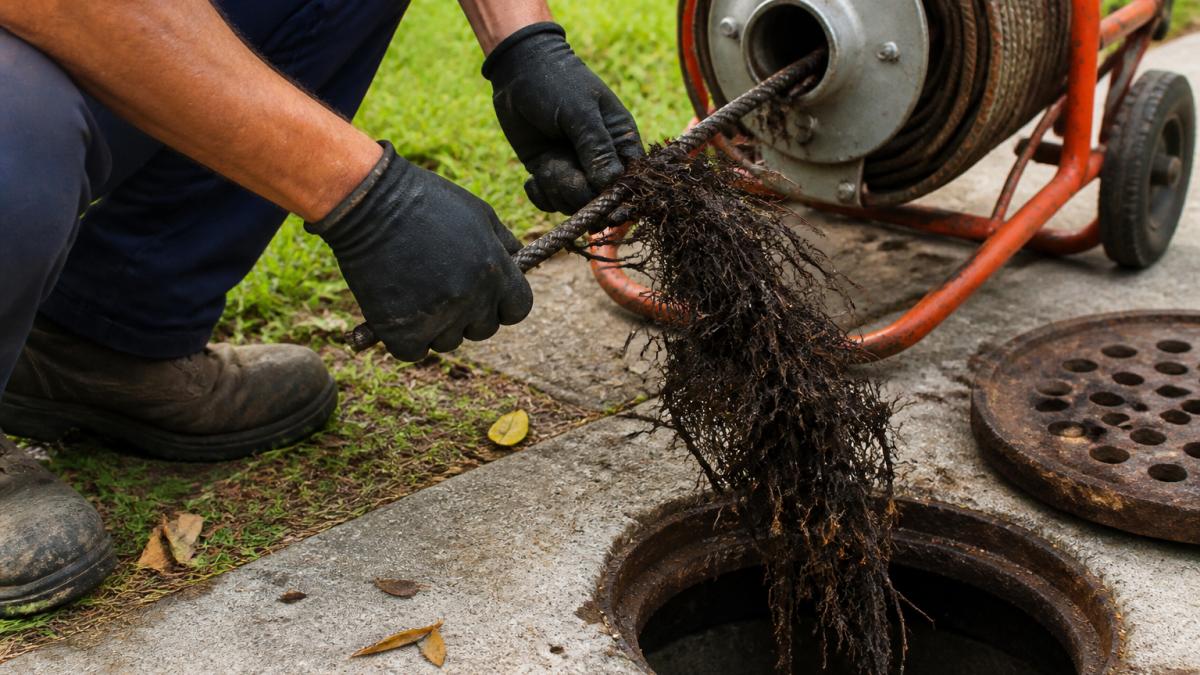
- Tree root intrusion into underground pipes
These aren't problems you can fix with a plunger. A plunger creates pressure in one direction. It doesn't address blockages deeper in your plumbing system. Over-the-counter drain cleaners won't help either.
Professional drain cleaning services use video pipe inspection first. This shows whether you're dealing with grease accumulation, tree roots, or pipe damage. The solution depends on what's causing the noise. Hydro-jetting works for buildup. Tree root removal requires different equipment. Pipe damage may need replacement.
When gurgling becomes constant or spreads to multiple fixtures, call a professional. Jersey Shore Sewer & Drain Cleaning can diagnose the exact problem.
Frequent or Recurring Clogs Requiring Repeated Fixes
A clog that comes back three times in one year isn't a coincidence. It's a sign that the underlying drainage issue is getting worse.
Most homeowners call a plumber, get the clog cleared, and think the problem is solved. Then two months later, the same drain backs up again. They call again. Another temporary fix. The cycle repeats.
This pattern tells you something important: the blockage isn't truly gone. A basic drain snake clears the immediate obstruction but leaves the buildup behind. Grease sticks to pipe walls. Hair wraps around debris. Mineral deposits harden in place. The next time water pressure builds up, the remaining material clogs the drain again.
Professional drain cleaning breaks this cycle. Here's the difference:
- Basic snaking removes the clog, not the cause
- Professional hydro-jetting removes accumulated buildup from pipe walls
- Video inspection confirms the drainage efficiency has improved
- The clog stays gone for longer periods
Recurring clogs also signal that your plumbing system needs preventative maintenance. Older pipes collect more debris. Sewer lines develop tree root intrusion. Main line blockages get worse without intervention.
If you've had the same drain clogged more than twice in 12 months, professional drain cleaning isn't optional anymore. Jersey Shore Sewer & Drain Cleaning offers same-day appointments, stopping the cycle of repeated repairs.
Foul or Unpleasant Odors from Drains
Bad smells coming from your drains mean bacteria and organic matter are decomposing inside your pipes. The odor is sewer gas. It shouldn't be escaping into your home.
Drain odors get worse in summer and after heavy rain. Heat speeds up bacterial growth. Water backs up and sits in pipes. Decomposing hair, food particles, and grease create that distinctive rotten-egg smell.
Simple fixes like pouring baking soda or vinegar down the drain might mask the odor temporarily. They don't eliminate it. The smell returns because the source is still there.
Persistent drain odors indicate:
- Buildup of organic material in pipes
- Damaged or blocked vent pipes
- Sewer line problems
- Tree root intrusion allowing sewer gas to escape
These issues won't improve on their own. Bacteria continue to multiply. The smell gets stronger. Eventually, you may notice it throughout your home, not just near the drain.
Professional drain cleaning removes the material causing the odor. Video pipe inspection identifies whether the problem is in your home's plumbing or in the main sewer line. Hydro-jetting clears away years of accumulated debris where bacteria thrive.
If drain odors persist despite your cleaning efforts, professional service is necessary. Jersey Shore Sewer & Drain Cleaning can eliminate the source, not just the smell.
Water Backing Up Into Other Fixtures
When water backs up into your shower while you're draining the sink, your plumbing system is telling you something serious is wrong. This isn't a simple clog anymore.
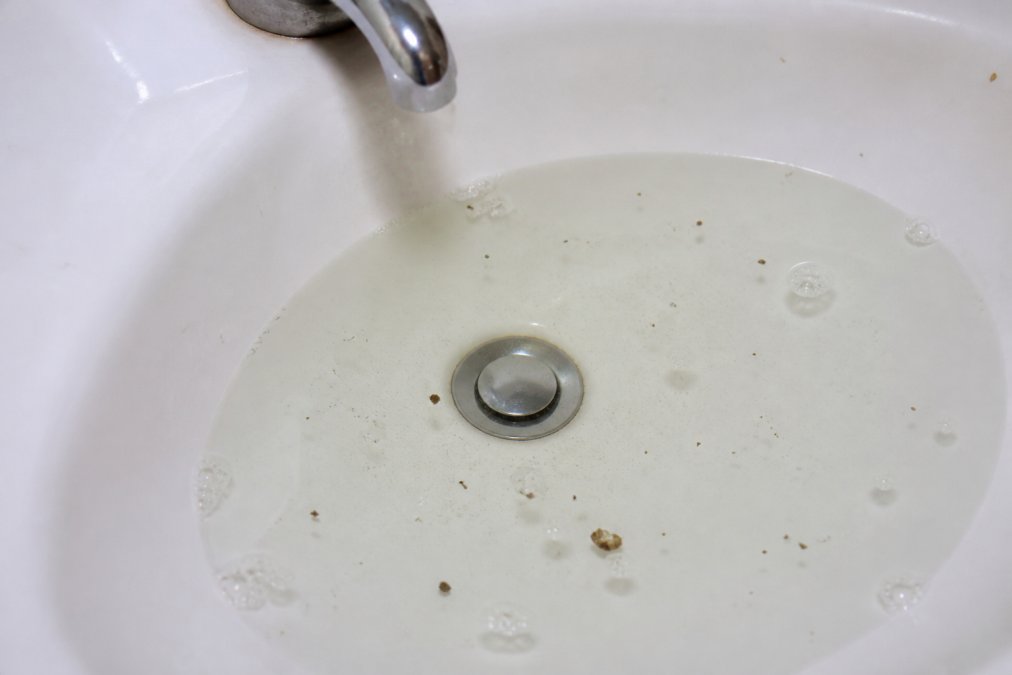
Water backing up into other fixtures means the main line is blocked or severely restricted. Water can't flow freely through your plumbing infrastructure. Pressure builds. Water takes the path of least resistance. It backs up into the nearest fixture.
This situation requires immediate professional attention. Here's why:
- Standing water in multiple fixtures indicates a main line blockage
- The blockage will get worse without intervention
- Sewage could back up into your home
- The problem won't resolve itself
Common causes of water backing up into other fixtures:
- Tree root intrusion into the main sewer line
- Collapsed pipe sections
- Grease accumulation in the main line
- Foreign objects stuck in the line
DIY solutions won't work. You can't reach the main line with a plunger or a basic drain snake. Chemical cleaners won't dissolve tree roots or fix a collapsed pipe.
Professional drain cleaning services assess the problem with video pipe inspection. If tree roots are the issue, hydro-jetting removes them. If the pipe is collapsed, replacement may be necessary. Jersey Shore Sewer & Drain Cleaning provides 24/7 emergency services for exactly this situation.
Don't wait when water backs up into multiple fixtures.
How Often Should Drains Be Professionally Cleaned
Many homeowners wonder if professional drain cleaning is something they should do regularly or only when problems arise.
Preventative professional drain cleaning offers real advantages:
- Catches problems early before they cause backups
- Extends the life of your plumbing system
- Reduces the risk of emergency repairs
- Maintains optimal drainage efficiency
- Identifies pipe damage before it worsens
| Situation | Recommended Frequency | Reason |
|---|---|---|
| New home, no issues | Every 24 months | Preventative maintenance |
| Older home (40+ years) | Every 12 months | Aging pipes accumulate more debris |
| Frequent slow drains | Every 6-12 months | Recurring buildup indicates ongoing issues |
| Tree roots present | Every 12 months | Root intrusion worsens without intervention |
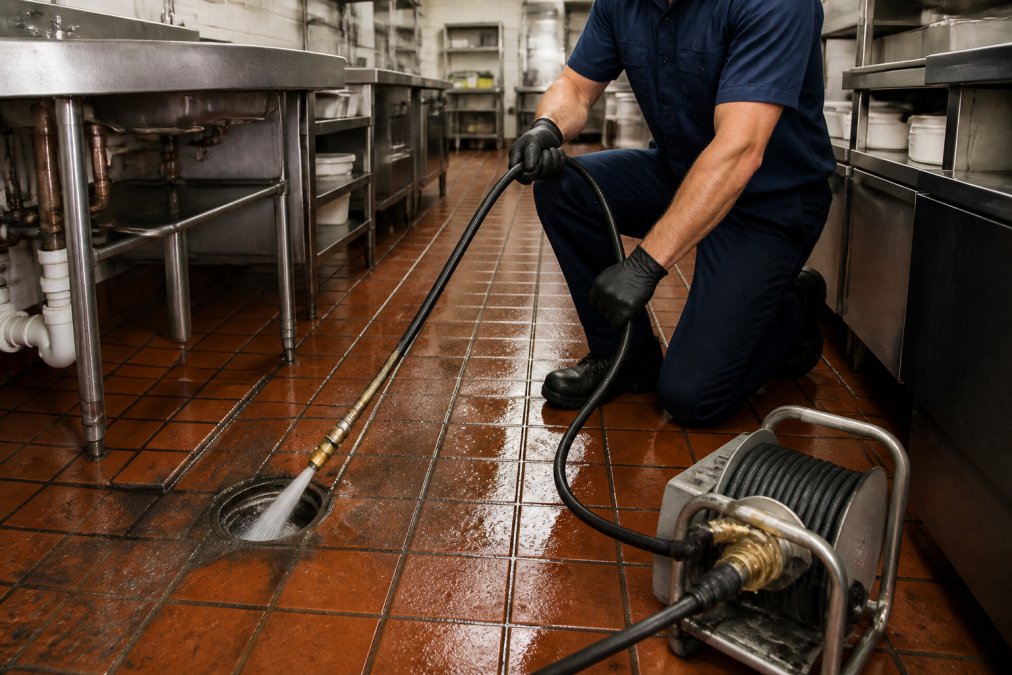
| Commercial kitchen | Every 3-6 months | Grease accumulation happens faster |
Benefits of Hydro Jetting vs Snaking for Drain Clearing
Understanding the difference between hydro-jetting and snaking helps you make the right choice for your drainage issues.
Here's what makes them different:
Drain Snake (Auger):
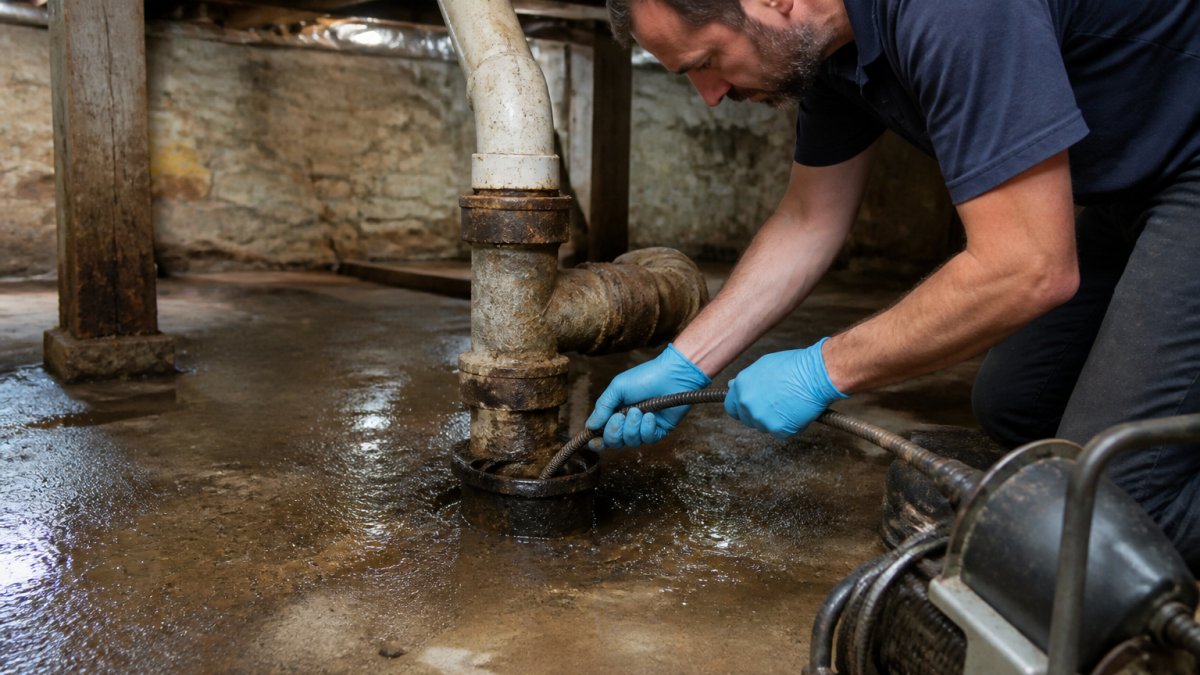
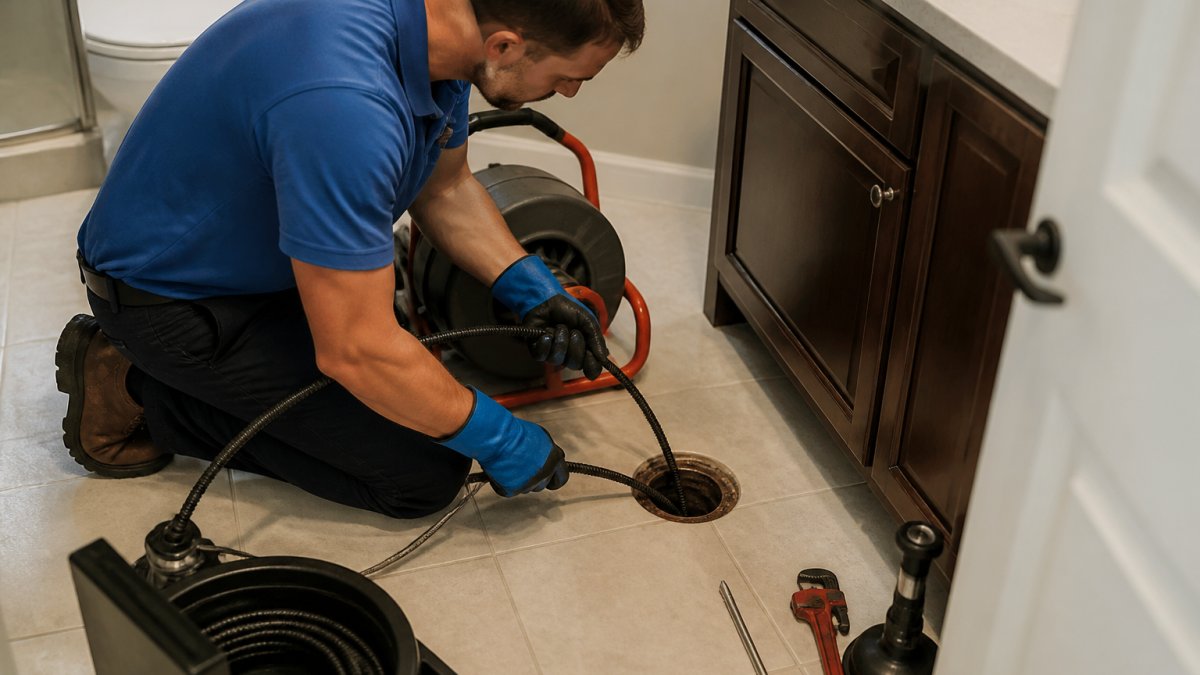
- Clears the immediate blockage
- Works for most simple clogs
- Less expensive for single-use problems
- Doesn't remove buildup from pipe walls
- Problems often return within months
Hydro-Jetting:
- Removes blockages and wall buildup
- Clears the entire pipe diameter
- Works on tree root intrusion
- Prevents future clogs for longer periods
- Requires professional equipment and expertise
How Much Does Professional Drain Cleaning Cost
Pricing for professional drain cleaning varies based on several factors. The location of the blockage matters. Whether you need video inspection affects the cost. The severity of the buildup determines the time required.
Factors that influence professional drain cleaning costs include:
- How far down the pipe the blockage is located
- Whether the blockage is in your home's plumbing or the main sewer line
- The type of equipment needed (snaking vs. hydro-jetting)
- Video pipe inspection requirements
- Whether pipe damage or replacement is necessary
Frequently Asked Questions
What are the most common signs you need professional drain cleaning?
The clearest warning signs include slow drainage from multiple fixtures, recurring clogs that return within weeks, foul odors from drains, gurgling sounds in pipes, and water backing up into other plumbing fixtures. Standing water in sinks or showers is also a red flag. If you notice several of these together, your plumbing system likely has buildup in the main line or sewer line that requires professional drain cleaning services, not just a plunger or store-bought drain cleaner.
How often should drains be professionally cleaned to prevent problems?
Most homeowners benefit from professional drain cleaning every 1 to 2 years as preventative maintenance. Commercial properties, restaurants, and facilities with heavy water use may need cleaning every 6 to 12 months. If you've experienced recurring clogs or drainage issues, annual professional cleaning can prevent future emergencies. The frequency depends on your plumbing system's age, pipe material, and local conditions like tree root intrusion, which is common in older properties.
What's the difference between hydro jetting and drain snaking, and which works better?
A drain snake (auger) breaks through blockages mechanically but doesn't clean the entire pipe interior. Hydro jetting uses high-pressure water to blast away grease accumulation, soap residue, mineral buildup, and debris, then flushes everything out. Hydro jetting is more thorough and can help prevent clogs from returning as quickly. For recurring clogs caused by pipe buildup, hydro jetting can deliver longer-lasting results. Snaking works for single blockages but doesn't address the underlying drainage efficiency problems that lead to persistent clogs.
Is professional drain cleaning worth the cost compared to DIY methods?
Professional drain cleaning addresses root causes, not just symptoms. DIY methods often provide temporary relief and can damage older pipes. Professional tools like video pipe inspection identify the exact problem, whether it's grease buildup, tree roots, or pipe corrosion. For recurring issues, professional cleaning stops the cycle and protects your plumbing infrastructure long-term. Call for a free quote to understand what your specific drainage issues require.