 ultimate-guide
Sewer Video Inspection: A Complete Guide
Table of Contents
- What Is a Sewer Video Inspection?
- How a Sewer Camera Inspection Works
- Signs You Need a Sewer Inspection
- Common Sewer Line Problems Detected
- How to Read a Sewer Camera Inspection Report
- Sewer Camera Inspection Cost and What to Expect
- When to Choose Professional Video Inspection Over DIY
- Next Steps After Your Sewer Video Inspection
- Frequently Asked Questions
Last Updated: September 27, 2026
What Is a Sewer Video Inspection?
A sewer video inspection is a non-invasive diagnostic procedure that uses a fiber optic camera to examine the interior condition of underground sewer lines and lateral pipes. The camera transmits real-time video footage to a monitor above ground, allowing technicians to identify blockages, structural damage, tree root intrusion, and other issues without excavation.
This technology has become the standard diagnostic tool for homeowners, real estate buyers, and property managers who need accurate information about their plumbing system's condition. At Jersey Shore Sewer & Drain Cleaning, we use advanced camera equipment to provide detailed visual assessments that guide repair decisions.
The inspection process is straightforward: a small camera probe is inserted through an accessible cleanout point in your sewer line. As it travels through the pipe, it captures high-resolution video of every inch of the lateral line. The footage is recorded digitally, creating a permanent record you can reference for insurance claims, real estate transactions, or future maintenance planning.
Unlike older diagnostic methods that relied on guesswork or required digging exploratory holes, a sewer video inspection delivers definitive evidence of what's happening underground. This clarity is why lenders increasingly require inspections before approving mortgages, and why sellers use them to demonstrate the integrity of their plumbing infrastructure.
How a Sewer Camera Inspection Works
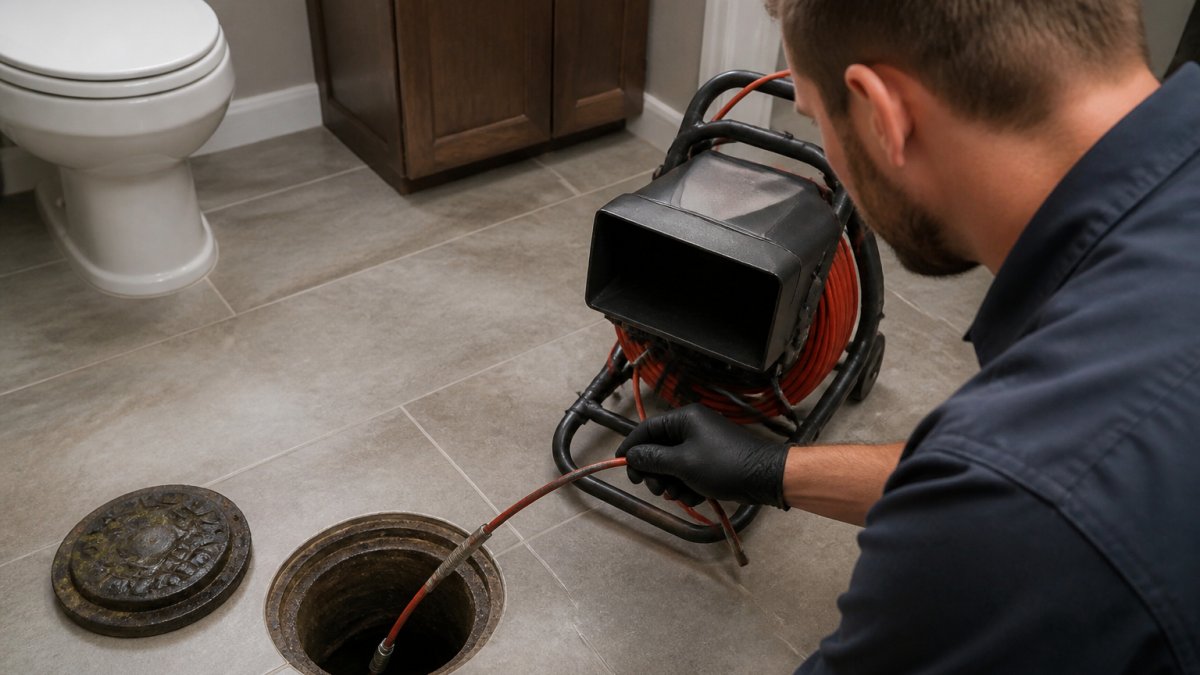
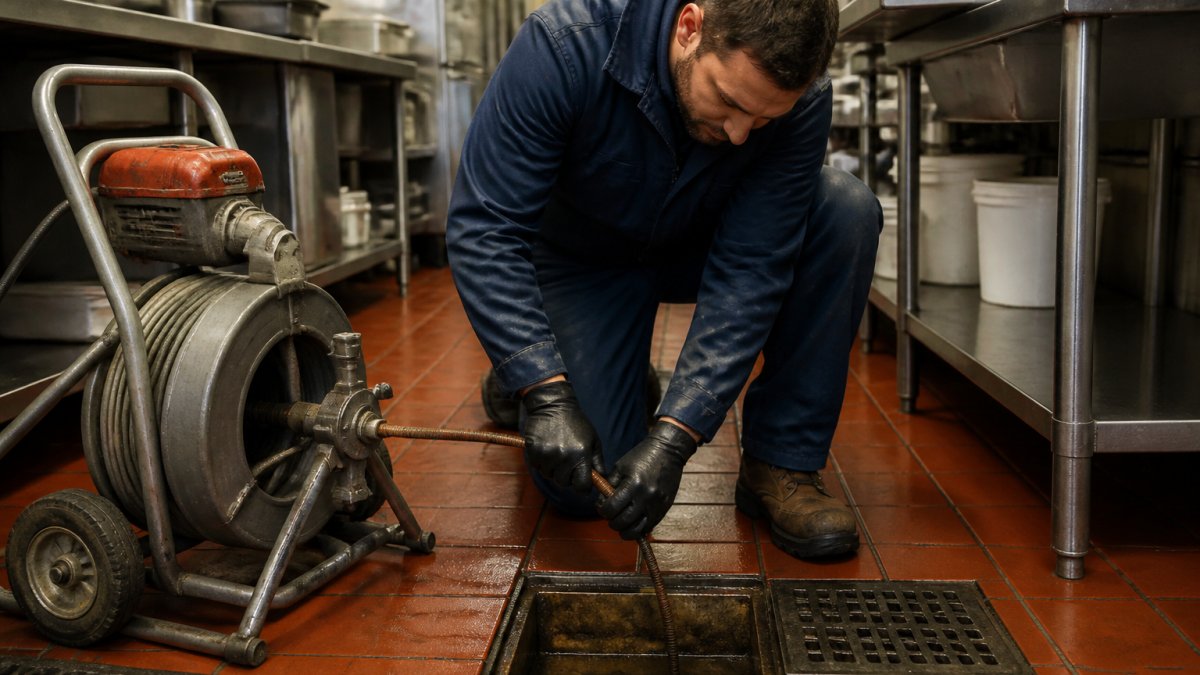
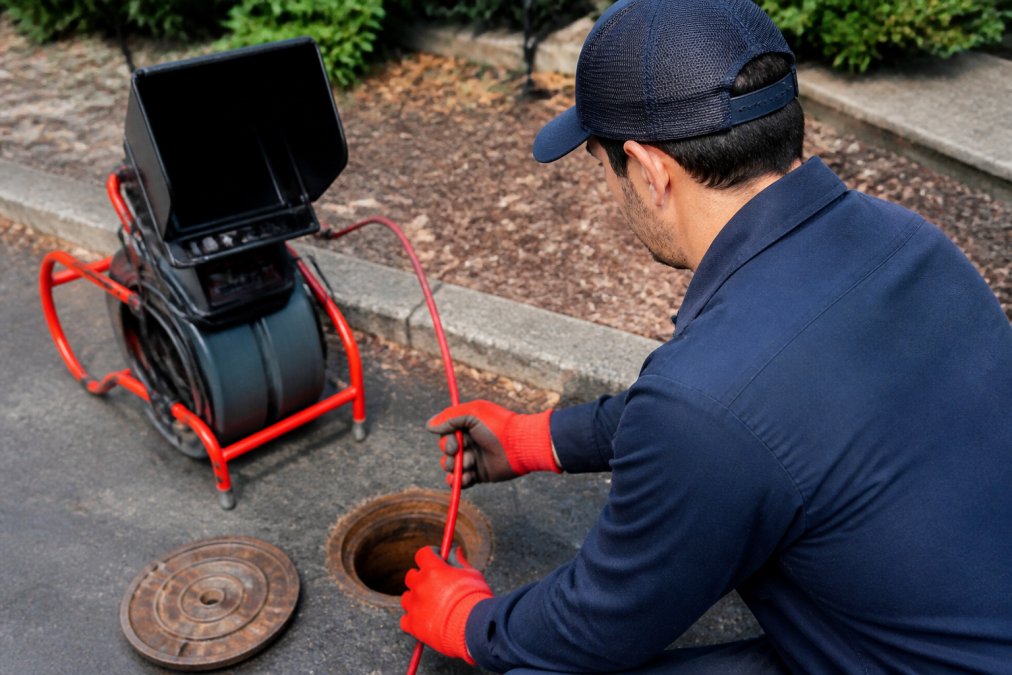
The process begins with locating your sewer cleanout, typically a covered access point in your yard or basement where the lateral line connects to the main municipal sewer. The technician removes the cleanout cap and feeds a flexible cable with a camera head into the pipe.
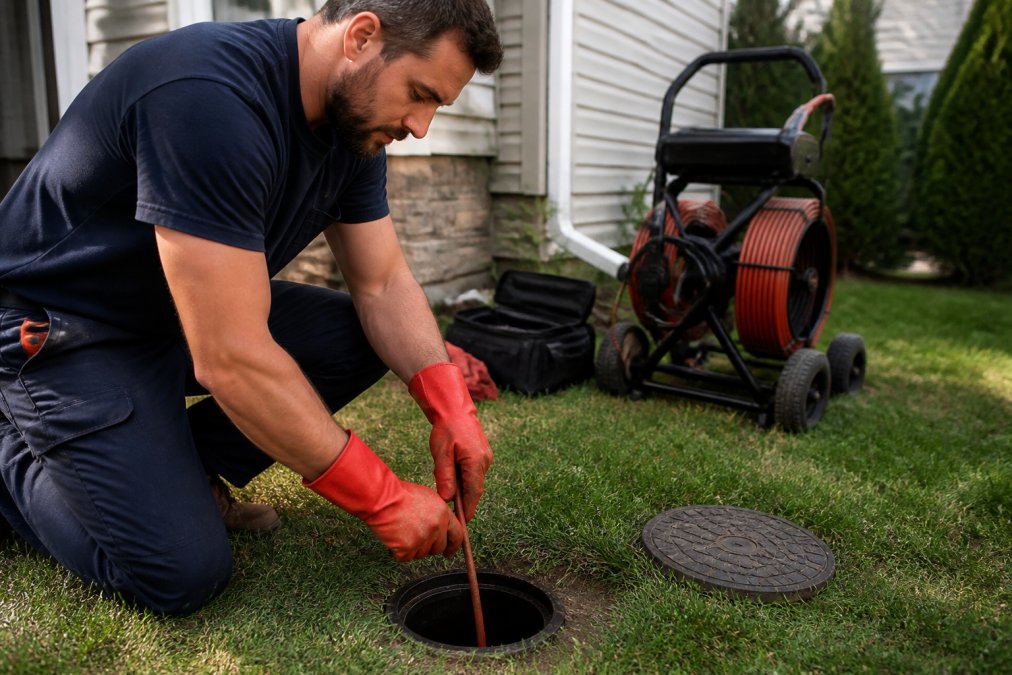
As the camera travels through the line, it transmits live video to a portable monitor. The operator controls the camera's movement, stopping at problem areas to document damage, measure pipe offsets, and photograph specific issues. The real-time monitoring allows the technician to identify exactly where problems occur and how severe they are.
Modern sewer cameras include several technical features that improve diagnostic accuracy. The camera head is equipped with LED lighting to illuminate dark pipes, a wide-angle lens to capture the full pipe diameter, and a self-leveling mechanism so the image stays oriented correctly even in tilted sections. Many systems include distance markers that indicate how far the camera has traveled from the cleanout, making it easy to pinpoint problem locations.
The entire inspection typically takes 30 to 60 minutes, depending on the length of your lateral line and how many problem areas require detailed documentation. Once complete, the footage is compiled into a digital report with timestamps, distance markers, and still images of significant findings. This video record becomes your reference document for understanding your sewer system's condition. Once complete, the footage is compiled into a digital report with timestamps, distance markers, and still images of significant findings. This video record becomes your reference document for understanding your sewer system's condition.
Signs You Need a Sewer Inspection
Recurring drain clogs are the most common warning sign. If you've had a plumber out multiple times in the past year for the same problem, the issue likely isn't in your accessible drains, it's deeper in the lateral line where a sewer video inspection can identify the root cause.
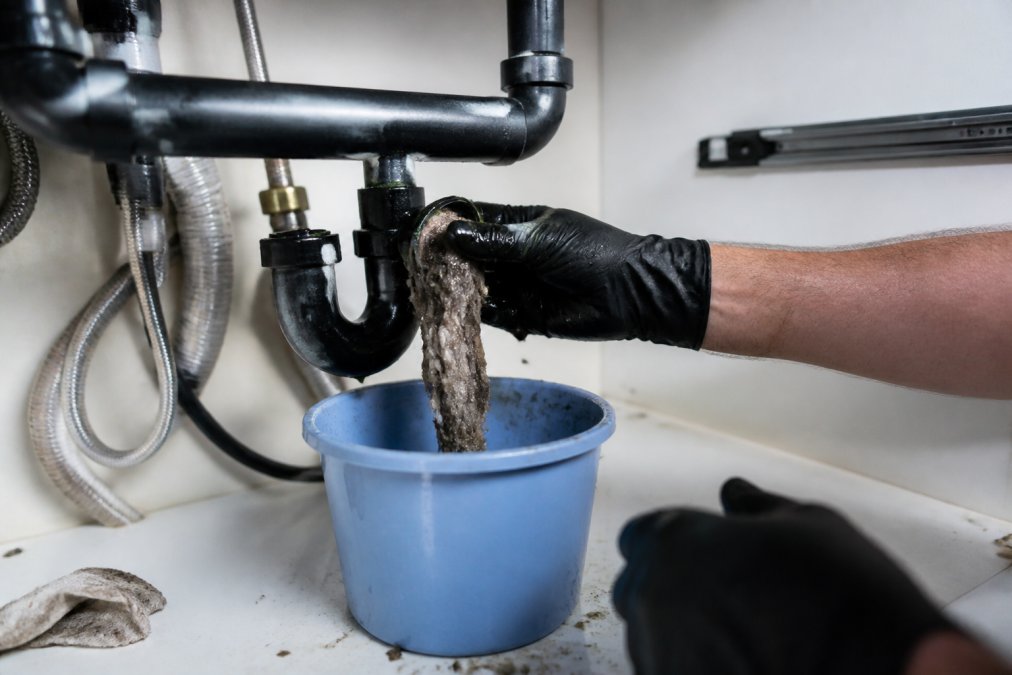
Slow drains throughout your home suggest a blockage or partial collapse in the main line. When multiple fixtures drain slowly at the same time, the problem is almost always beyond the individual trap or P-trap. Sewage backups into your basement or yard are definitive signs of a serious obstruction or structural failure. These backups pose health hazards and require immediate professional diagnosis.
Persistent odors around your yard, particularly near the cleanout area or in patches of unusually green grass, may indicate a cracked or leaking lateral line. Tree roots are attracted to moisture and nutrients escaping from damaged pipes. Soggy patches in your yard during dry weather often signal an underground leak that needs investigation.
Foundation cracks or settling in older homes can result from structural damage to the sewer lateral beneath the foundation. If you're noticing new cracks or doors that no longer close properly, a sewer video inspection can rule out underground plumbing damage as a contributing factor. Real estate transactions frequently require inspections even without obvious symptoms, lenders want certainty about the property's infrastructure before approving financing.
Common Sewer Line Problems Detected
Tree root intrusion is one of the most frequent issues identified during sewer camera inspections. Tree roots seek out moisture and can penetrate even tiny cracks in older pipes (Tree root intrusion in sewer systems: A review of extent and costs). Once inside, they grow into dense mats that trap debris and eventually block the line completely. The video clearly shows root hairs protruding from cracks or joints, making this problem unmistakable.
Pipe collapse occurs when the structural integrity of the lateral line fails. This appears on camera as a complete or partial flattening of the pipe, often caused by ground settling, tree root damage, or age-related deterioration. Collapsed sections prevent normal flow and trap debris, leading to repeated backups.
Offset joints happen when sections of pipe shift out of alignment. This misalignment creates a step or lip inside the pipe where solids accumulate. Offset joints often result from ground movement or improper installation decades ago. The camera shows these as obvious steps or ledges as it travels through the pipe.
Corrosion and deterioration are visible as pitting, holes, or thinning of the pipe material. Clay and cast iron pipes, common in older homes, gradually corrode over decades. Corroded sections become brittle and prone to collapse. Grease buildup appears as thick deposits coating the pipe interior, restricting flow and creating an environment where blockages form easily.
Cracks and fractures in the pipe allow groundwater infiltration and sewage leakage into the surrounding soil. These appear on video as visible breaks in the pipe wall. Groundwater infiltration increases the volume flowing into the municipal sewer system and can cause your basement to flood during heavy rain (the EPA).
How to Read a Sewer Camera Inspection Report
Your inspection report should include a detailed written summary, timestamped video footage, and still images of significant findings. The report identifies the distance from the cleanout where each problem occurs, using measurements that help contractors locate issues for targeted repair.
The video footage is the most important component. Watch it yourself to understand what the technician observed. The camera shows the pipe's interior condition in real time, and you'll see exactly where blockages, roots, or damage are located. A professional report explains what you're seeing and why it matters.
Distance markers on the video indicate how far the camera has traveled.
Sewer Camera Inspection Cost and What to Expect
The cost of a sewer video inspection varies based on the length of your lateral line and the complexity of your situation. Longer lines or properties with multiple access points may require more time and equipment.
When to Choose Professional Video Inspection Over DIY
Consumer-grade sewer inspection equipment exists, but professional video inspection offers advantages that justify the investment. Professional systems use higher-resolution cameras with better lighting and wider viewing angles than DIY equipment. This superior image quality makes it easier to spot subtle problems like hairline cracks or early-stage corrosion.
Next Steps After Your Sewer Video Inspection
Once you have your inspection report, review the findings carefully and understand what repairs are recommended. If the inspection revealed problems, get quotes from qualified contractors before deciding on repairs. Different repair methods, hydro-jetting, trenchless lining, or excavation, have different costs and outcomes.
| Inspection Finding | What It Means | Typical Next Step |
|---|---|---|
| Tree root intrusion | Roots have penetrated the pipe | Hydro-jetting or trenchless repair |
| Pipe collapse | Structural failure of the line | Excavation and replacement |
| Offset joints | Misaligned pipe sections | Trenchless lining or monitoring |
| Grease buildup | Restricted flow from deposits | Hydro-jetting to clear blockage |
| Cracks or fractures | Leaks into surrounding soil | Trenchless pipe lining |
| Corrosion | Age-related pipe deterioration | Replacement if severe, monitoring if minor |
Frequently Asked Questions
Is a sewer video inspection worth it?
Yes. A sewer video inspection identifies problems before they become expensive emergencies. For homeowners selling property, it often satisfies lender requirements and prevents last-minute deal obstacles. For those experiencing recurring clogs or slow drainage, it pinpoints the exact cause, tree root intrusion, pipe collapse, or offset joints, so you pay only for the repair you actually need, not guesswork.
How long does a sewer camera inspection take?
The time a sewer video inspection takes depends on your lateral sewer line length and accessibility. Emergency inspections can often be scheduled same-day.
What are the most common problems found during a sewer camera inspection?
Tree root intrusion, pipe collapse, offset joints, corrosion, and blockages are the most frequently detected issues. Root intrusion occurs when tree roots penetrate pipe walls seeking moisture. Older clay or cast iron pipes often show significant corrosion. Offset joints, where pipe sections have shifted, restrict flow and trap debris. A video inspection provides a clear visual record of each defect's location and severity, which guides repair decisions.
Can a sewer camera inspection find all plumbing issues?
A sewer video inspection examines the lateral sewer line from your home to the main municipal line. It detects blockages, structural damage, root intrusion, and corrosion within that line. However, it cannot assess water pressure, internal fixture problems, or issues in the main municipal sewer. For comprehensive plumbing diagnostics, combine a sewer camera inspection with a general plumbing evaluation.
How do I prepare for a sewer drain camera inspection?
Locate your main cleanout access point, usually a 4-inch PVC or cast iron cap near your foundation or in your yard. Clear the area around it of debris and vehicles. If you don't know where your cleanout is, your inspector can locate it. Avoid flushing large amounts of water or using drains heavily 24 hours before the inspection; this ensures the inspector sees the line in normal condition.
Who should perform a professional sewer video inspection?
Licensed, bonded, and insured plumbing professionals should perform sewer video inspections. They have proper equipment, understand pipe materials and municipal codes, and can interpret findings accurately. For real estate transactions, ensure your inspector is certified and that the report meets your lender's requirements.