 how-to
Is Hydro Jetting Safe for Old Pipes? A 2026 Guide
Table of Contents
- What Is Hydro Jetting and How It Works on Aging Sewer Lines
- Pipe Materials and Age: Which Systems Can Handle Hydro Jetting
- The Importance of Video Camera Inspection Before Hydro Jetting
- Signs of a Collapsed Sewer Pipe vs. Blockage
- Hydro Jetting vs. Sewer Snaking for Older Drainage Systems
- PSI Settings and Safe Pressure Levels for Different Pipe Ages
- Insurance, Liability, and Professional Assessment
- Conclusion
- Frequently Asked Questions
Last Updated: September 28, 2026
What Is Hydro Jetting and How It Works on Aging Sewer Lines
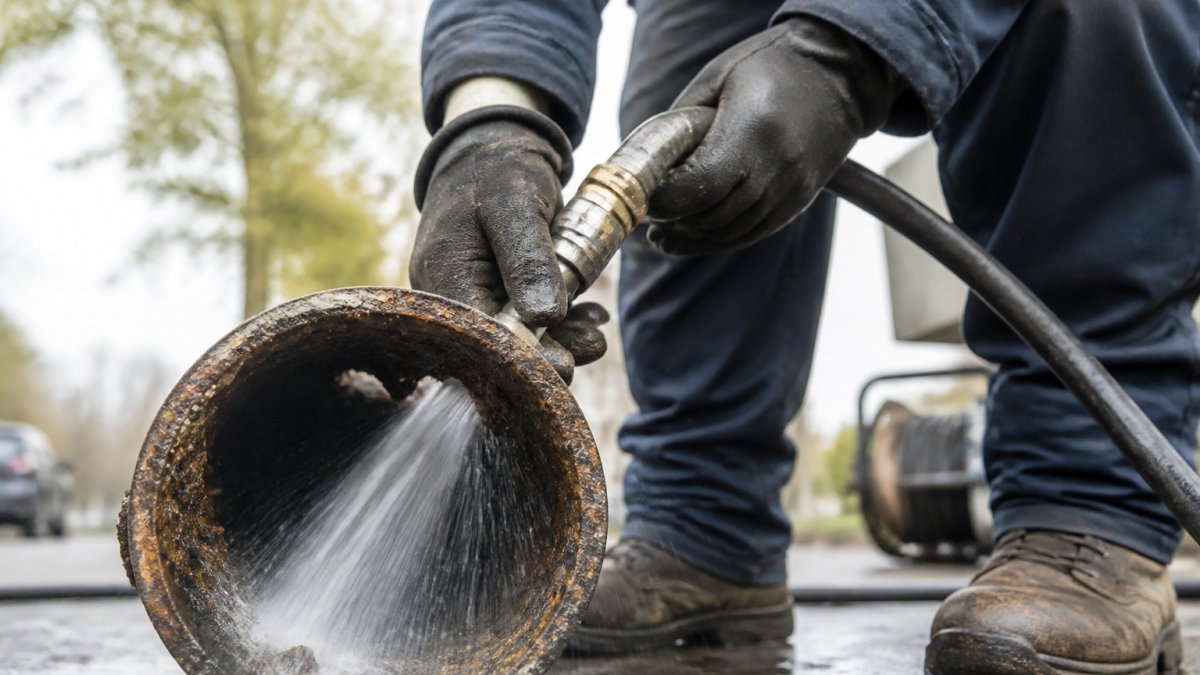
Hydro jetting is a drain cleaning method that uses high-pressure water to blast away clogs, scale buildup, and debris from inside pipes without mechanical tools. A specialized truck delivers water at pressures ranging from 1,500 to 4,000 PSI through a flexible hose and jet nozzle into your sewer line, scrubbing the interior walls clean through a process called hydro-scrubbing.
The key question for homeowners with older properties is straightforward: is hydro jetting safe for old pipes? The answer depends entirely on what your pipes are made of, how old they actually are, and whether they've already begun to fail. The difference between a successful cleaning and a catastrophic pipe rupture often comes down to one critical step: a video camera inspection before the jets ever run.
High-pressure water jets and debris removal
When a jet nozzle fires into a pipe, the force is tremendous. Water moves fast enough to scour away years of grease, mineral deposits, tree root intrusion, and sediment buildup. For modern PVC pipes in good condition, this cleaning power is a huge advantage. The sewer line emerges pristine, and the blockage stays gone far longer than snaking alone could achieve.
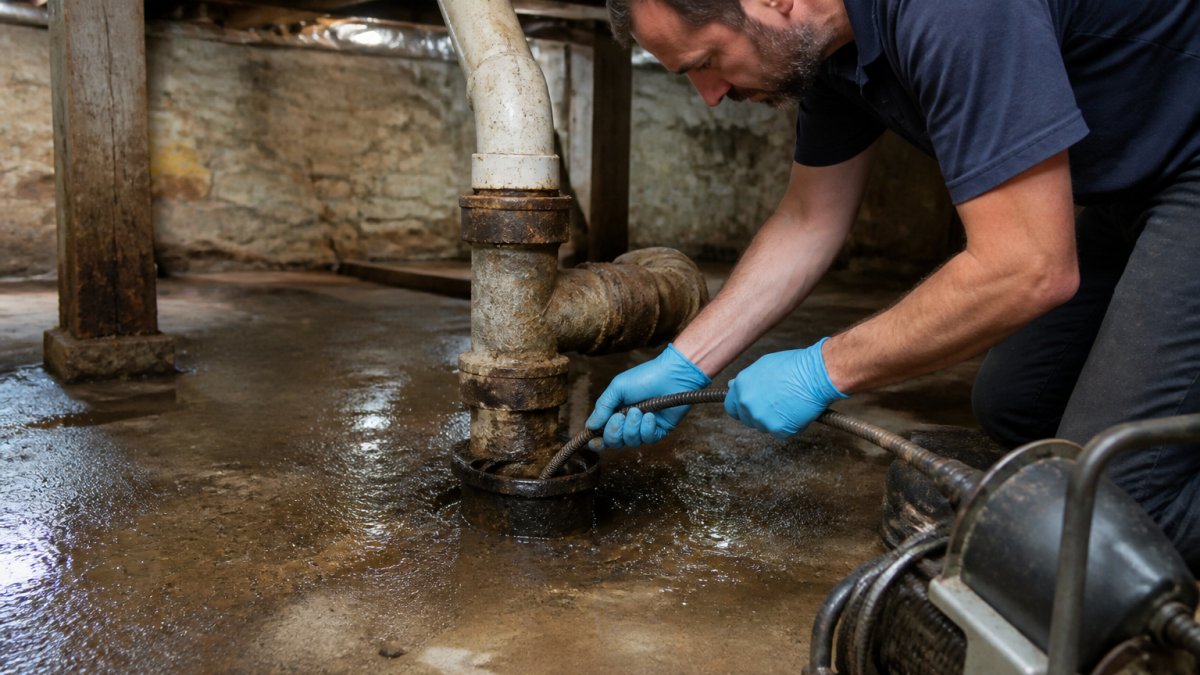
But that same pressure that cleans effectively can also damage. Older pipes don't have the structural integrity of modern systems. Cast iron corrodes from the inside. Clay tile pipes develop cracks. Both materials lose wall thickness over decades. A high-pressure jet hitting a weakened section can punch through or enlarge existing damage.
Why older pipes require different assessment
The age of your home tells you almost nothing about whether hydro jetting is safe. A 1920s brownstone with well-maintained cast iron might handle it fine. A 1990s house with original PVC that's already starting to fail needs a different approach.
What matters is pipe condition, not just age. A professional assessment looks at three things: material type, wall thickness remaining, and signs of existing structural damage. If your sewer line has already begun to collapse, hydro jetting will make it worse, not better. If it's just clogged, jetting works beautifully.
Pipe Materials and Age: Which Systems Can Handle Hydro Jetting
Different pipe materials respond very differently to high-pressure water. Understanding your system's material is the first step in determining whether hydro jetting is safe for your property.
Cast iron pipes and PSI thresholds
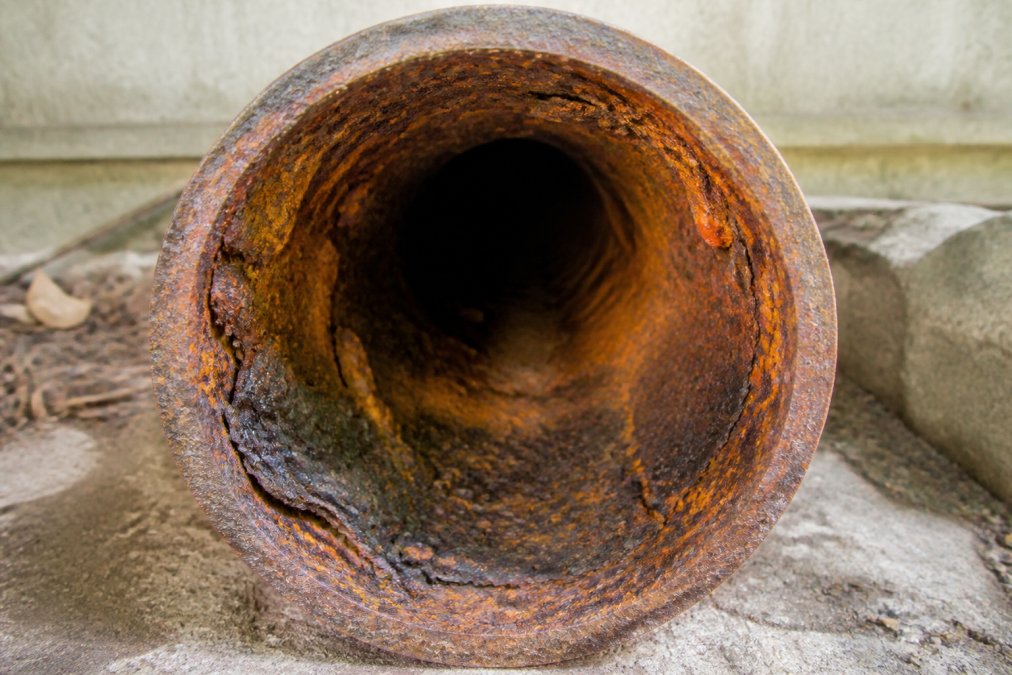
Cast iron dominated sewer installations from the 1920s through the 1970s. It's strong when new, but it corrodes from the inside out. After 50 years, the interior wall can be pitted and thin. After 80 years, structural failure becomes likely.
For cast iron, safe hydro jetting typically requires PSI settings below 2,000. Many contractors run higher pressures, betting that the pipe will hold. Sometimes it does. Sometimes it doesn't, and the homeowner gets a bill for trenchless repair or full pipe replacement.
The real problem: you can't see inside the wall. A pipe might look fine on the outside and be dangerously thin on the inside. That's why a video camera inspection before jetting is non-negotiable for cast iron systems over 60 years old.
Clay tile and PVC piping vulnerabilities
Clay tile pipes were common in older homes, especially in the Northeast. They're brittle and prone to cracking. Tree roots exploit those cracks and cause blockages. Hydro jetting can clear the roots, but if the pipe is already fractured, the pressure can split it further.
PVC pipes installed from the 1980s onward are much tougher. They handle high-pressure jetting well in most cases. But PVC installed before proper standards were established sometimes has brittleness issues, and improperly installed PVC can shift or separate at joints. A jet hitting a weak joint can force the connection apart.
The pattern is clear: newer pipes in good condition can take standard hydro jetting pressure.
The Importance of Video Camera Inspection Before Hydro Jetting
A sewer scope, a video camera inspection of your drainage system, should always come before hydro jetting on older properties. This is not optional. This is the difference between a successful cleaning and a disaster.
Assessing pipe wall thickness and structural integrity
The camera shows you what's actually inside the pipe. You see the material, the condition, the thickness of remaining walls, and the location of blockages. A trained technician can identify whether the obstruction is scale buildup, tree roots, or debris. More importantly, they can spot cracks, holes, corrosion, and areas where the pipe is already failing.
Identifying root intrusion versus scale buildup
Root intrusion and mineral scale buildup look different on camera. Roots appear as hair-like strands or dense mats filling the pipe. Scale shows as a hard, crusty coating on the pipe walls.
Signs of a Collapsed Sewer Pipe vs. Blockage
Not every drainage problem is a blockage. Some are structural failures. The difference determines whether hydro jetting is even an option.
Visual indicators from sewer scope footage
A blockage appears on camera as an obstruction inside the pipe, roots, debris, scale, but the pipe itself is intact. The walls are visible and continuous. The camera can navigate past the blockage to show you the pipe beyond it.
When hydro jetting is unsafe and trenchless repair is needed
If your sewer scope shows signs of a collapsed sewer pipe, hydro jetting is off the table. The pipe needs structural repair first. Trenchless repair methods like pipe bursting or cured-in-place pipe lining can restore the line without excavation. These methods address the structural problem, then you can clean the system afterward if needed.
Hydro Jetting vs. Sewer Snaking for Older Drainage Systems
Hydro jetting isn't always the best choice for old pipes. Sometimes a gentler method works better and costs less.
When snaking is the safer choice for fragile pipes
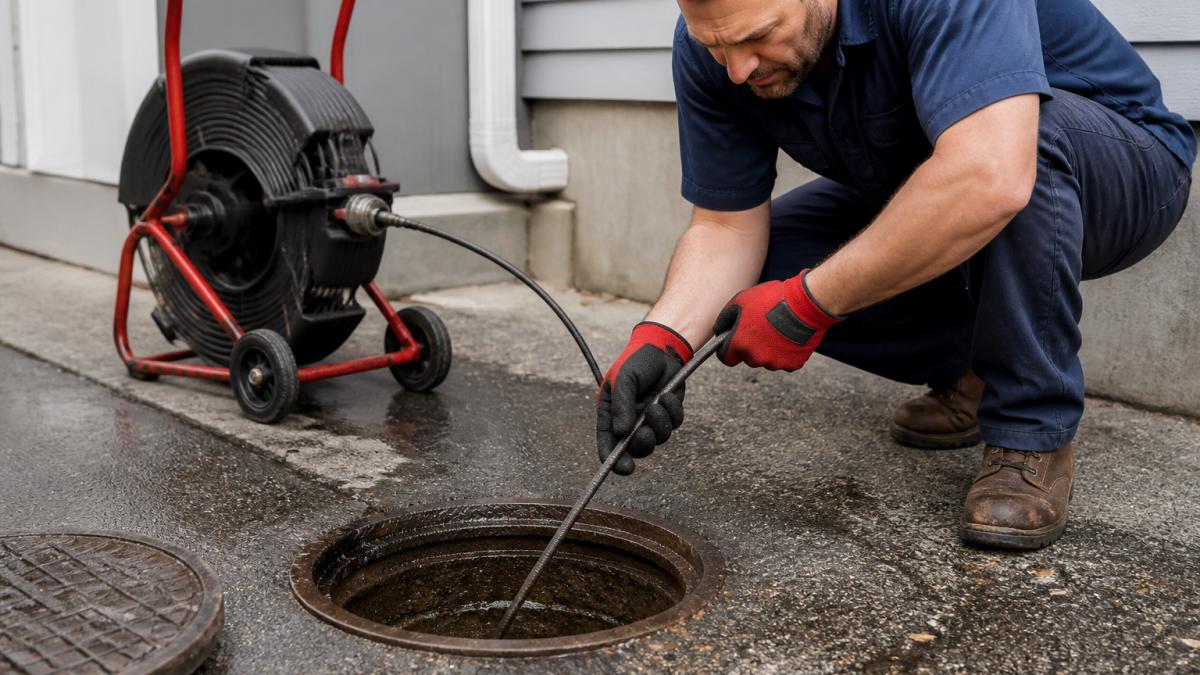
Sewer snaking uses a rotating cable with a cutting head to break through blockages. The pressure is mechanical, not hydraulic. For pipes over 80 years old, or pipes showing signs of wall thinning, snaking is often the safer first choice.
Hydro-scrubbing as a gentler alternative
Hydro-scrubbing is hydro jetting at lower pressure, typically 500 to 1,500 PSI instead of 3,000 to 4,000. It cleans the pipe walls without the risk of rupture. For older systems, it's a middle ground: more thorough than snaking, safer than full-pressure jetting.
| Method | Best For | Pressure Range | Pipe Safety | Cost Relative |
|---|---|---|---|---|
| Sewer Snaking | Tree roots, grease clogs | Mechanical | Safest for old pipes | Lower |
| Hydro-Scrubbing | Partial cleaning, scale removal | 500-1,500 PSI | Moderate risk | Medium |
| Standard Hydro Jetting | Complete pipe cleaning, debris | 3,000-4,000 PSI | Higher risk for old pipes | Higher |
PSI Settings and Safe Pressure Levels for Different Pipe Ages
The pressure setting is everything. Too high, and you damage the pipe. Too low, and you don't clear the blockage. The right PSI depends on pipe material and age.
Calibration and licensed plumber assessment
A professional assesses your system and recommends safe PSI settings. For cast iron over 70 years old, 1,500 PSI is often the maximum. For clay tile, 1,200 PSI. For modern PVC in good condition, 4,000 PSI is standard.
Post-jetting inspection and preventative maintenance
After hydro jetting, a follow-up video inspection confirms the cleaning worked and the pipe survived intact. This inspection is your proof that the job was done right.
Insurance, Liability, and Professional Assessment
Hydro jetting on old pipes carries liability. If the pipe fails during or shortly after jetting, who pays for the repair?
Conclusion
Is hydro jetting safe for old pipes? It depends on the pipe material, its current condition, and the PSI setting used. A video camera inspection before jetting is the only way to know for certain.
Frequently Asked Questions
What are the main risks of hydro jetting old sewer pipes?
Hydro jetting can damage pipes with thin walls, existing cracks, or severe corrosion. Cast iron pipes over 50 years old and clay tile systems are especially vulnerable to structural failure if PSI settings are too high. A video camera inspection before jetting identifies these risks and determines safe pressure levels. Licensed plumbers adjust jet nozzle calibration based on pipe material and condition to prevent pipe collapse.
What should be done before hydro jetting old pipes?
A professional sewer scope video inspection is essential. This reveals pipe wall thickness, existing damage, root intrusion, scale buildup, and overall structural integrity. The inspection footage guides PSI settings and determines whether hydro jetting is safe or if sewer snaking or trenchless repair is a better option. Post-jetting inspection confirms successful debris removal without new damage.
How does hydro jetting compare to sewer snaking for older drainage systems?
Sewer snaking uses mechanical force and is gentler on fragile pipes, making it safer for clay and corroded cast iron systems. Hydro jetting delivers high-pressure water for complete debris removal and scale removal but risks structural damage in compromised pipes. Hydro-scrubbing offers a middle ground with lower pressure. Licensed plumber assessment determines which method suits your pipe age and condition.
How much does a sewer line video inspection cost?
Pricing depends on line length, accessibility, and scope complexity. Contact Jersey Shore Sewer & Drain Cleaning for a free quote. The inspection is critical for old pipes because it helps prevent costly damage from inappropriate hydro jetting and identifies whether repairs or preventative maintenance is needed. Many homeowners find the inspection can save money by avoiding unnecessary or unsafe procedures.
Ready for a professional assessment? Jersey Shore Sewer & Drain Cleaning offers free video inspections and honest recommendations. We're licensed, bonded, and insured. We've served the area since 1990. Same-day appointments are available. Contact us for a free quote and let's determine the safest cleaning method for your system.