 how-to
How to Find Sewer Line Breaks: A Step-by-Step Guide
Table of Contents
- Signs of a Collapsed Sewer Line to Watch For
- Step-by-Step: What to Do First When You Suspect a Break
- How Sewer Line Video Inspection Works and What It Costs
- DIY Methods to Locate Your Sewer Line and Spot Visible Damage
- Why Sewer Lines Break: Common Causes and Risk Factors
- How to Sanitize Drains After a Sewer Backup
- Repair vs. Replacement: What Comes Next
- Frequently Asked Questions
Last Updated: September 21, 2026
Signs of a Collapsed Sewer Line to Watch For
A collapsed sewer line demands immediate attention. Recognizing early warning signs can help you find sewer line breaks before they cause major damage.
Common signs include slow drains, gurgling sounds from toilets, sewage backups, and unusually lush grass patches (sewage leaking into soil acts as fertilizer).
Other red flags: foundation cracks, sinkholes, persistent sewer odor, and bubbling toilets. Multiple drains backing up simultaneously indicate a main sewer line problem rather than a single drain pipe issue.
Wet spots or soggy patches near your foundation indicate a break in your sewer lateral (the pipe connecting your home to the municipal main line). Call a professional for a video pipe inspection.
Step-by-Step: What to Do First When You Suspect a Break
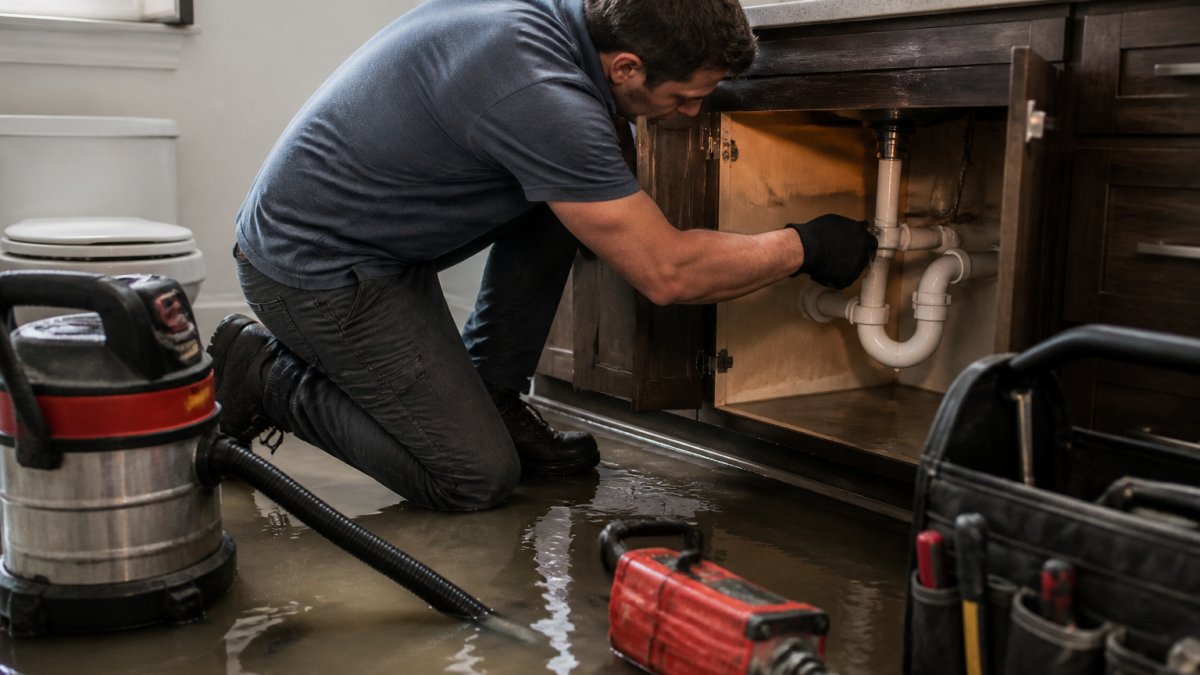
When you suspect a sewer line break, turn off the main water supply immediately and avoid flushing toilets, running showers, or using sinks to prevent additional sewage backup.
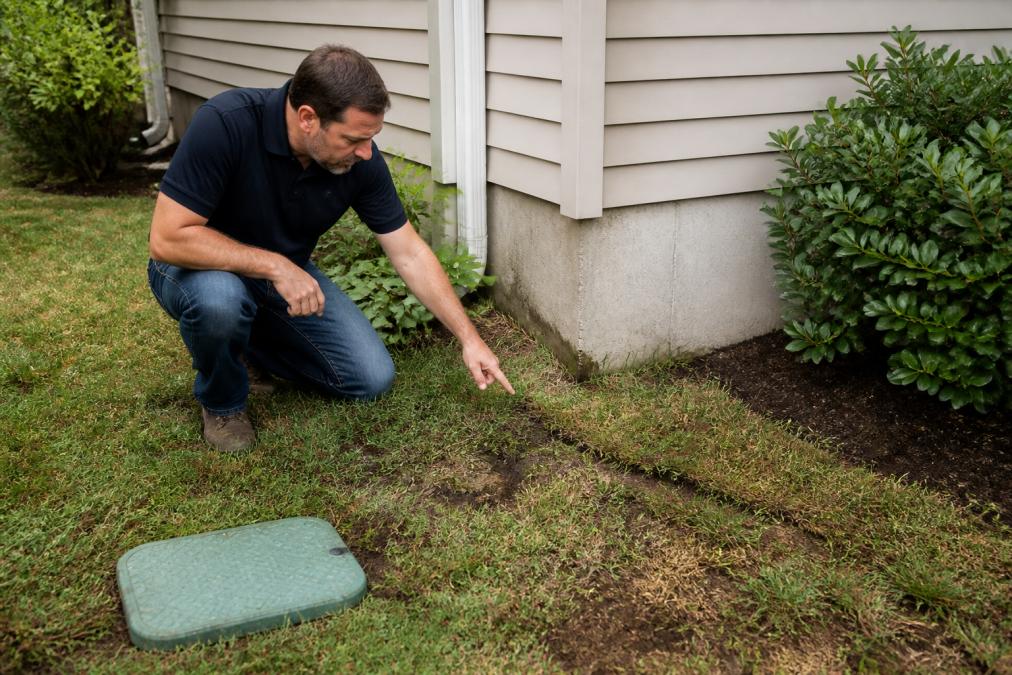
Locate your clean-out (a capped pipe usually near your foundation or property line), mark it, and photograph any visible damage. This helps your plumber diagnose the problem faster.
Call a licensed plumber immediately. Jersey Shore Sewer & Drain Cleaning can dispatch a team same-day for emergencies. Explain your symptoms clearly, sewage backups, slow drains, sinkholes, so we can assess quickly.
While waiting, avoid all plumbing use and keep children and pets away from visible sewage or wet areas to prevent contamination.
Note when problems started and whether they coincided with heavy rain; this helps determine the cause (root intrusion, collapse, or structural defect).
How Sewer Line Video Inspection Works and What It Costs
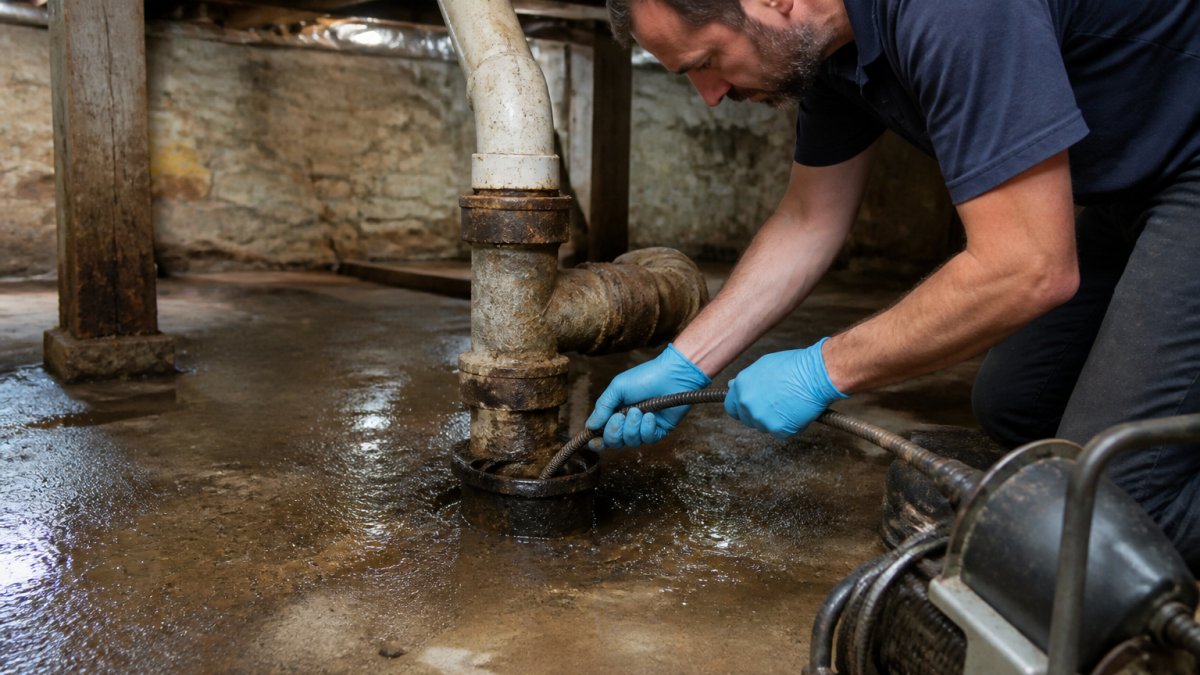
A sewer line video inspection uses a waterproof camera on a flexible cable to examine your pipes and show exactly where the break is, what caused it, and how severe the damage is.
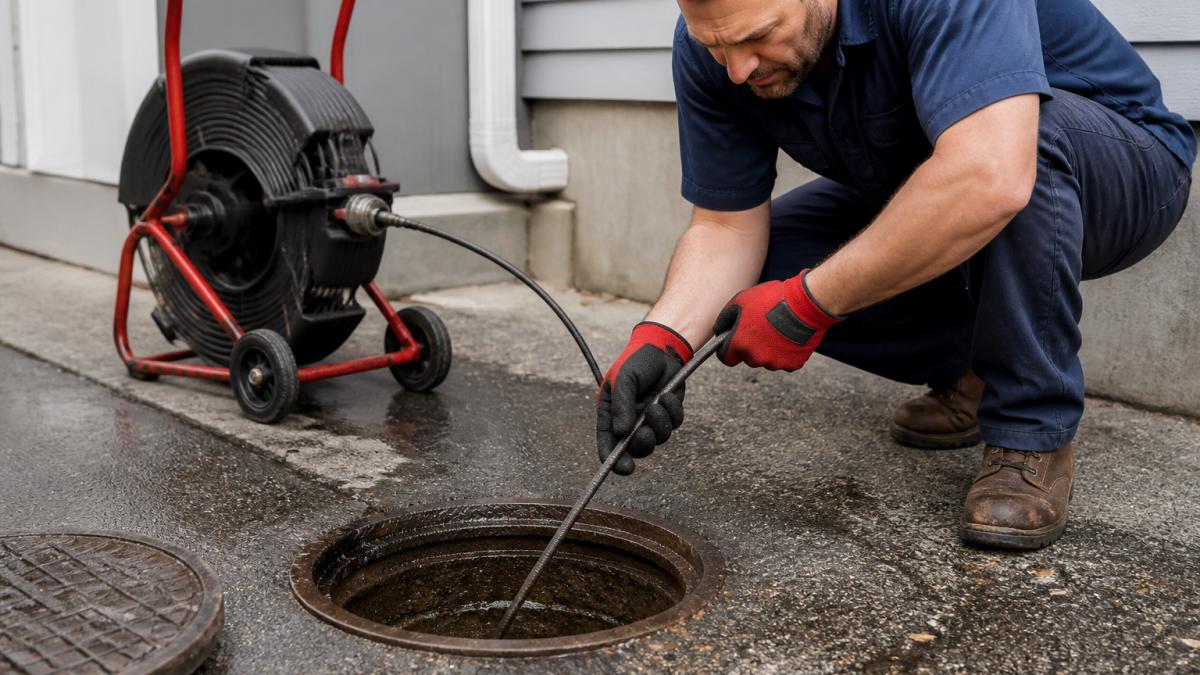
The camera is fed into the pipe from your clean-out, capturing video of the entire line and recording any cracks, root intrusion, collapse, or structural defects for your review.
Video inspection typically takes 30 minutes to two hours and eliminates guesswork, you know exactly what's wrong before discussing repair options.
Typical inspection costs and what affects pricing:
The cost of a sewer camera inspection depends on several factors, including:
- Line length: Longer lines (50-150 feet typical) cost more.
- Clean-out accessibility:
- Pipe condition:
- Local market rates:
Inspection vs. repair cost comparison:
A camera inspection prevents costly mistakes. Without inspection, you risk paying for unnecessary replacement or attempting a repair on a line too damaged to save.
Insurance and inspection costs:
Check your homeowners insurance before scheduling; some insurers cover diagnostic costs or waive fees if you use their preferred contractors.
What the inspection report should include:
A professional report documents pipe material, defect location and severity, line depth, and repair/replacement recommendations in writing for your records and contractor comparisons.
DIY Methods to Locate Your Sewer Line and Spot Visible Damage
Locate your sewer line by finding your clean-out, a capped pipe about four inches in diameter, usually near your foundation or property line (older homes may have a concrete or metal cover).
Trace the line from your home to the street, looking for depressions or soft spots. Note the pipe material if exposed, as this affects repair options.
Identifying your pipe material and what it tells you:
Identifying pipe material helps predict failure modes:
- Clay (1900-1970): Terra-cotta segments; brittle and deteriorates. Roots penetrate joints easily.
- Cast iron (1950-1980): Dark, heavy segments; corrodes inside out.
- Asbestos cement (1930-1970s): Gray, smooth segments; brittle and fails suddenly.
- PVC (1970s onward): Most durable.
Check your home's building permit or plumbing records, or contact your city's public works department to identify your pipe material.
Visible damage signs and what they indicate:
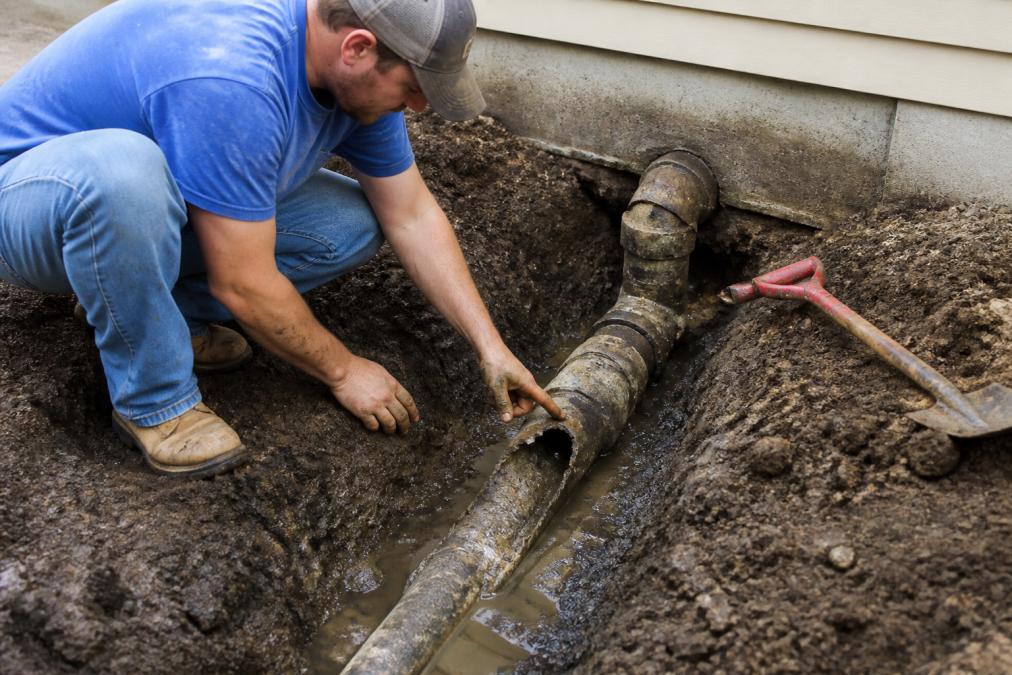
Check for sinkholes (circular depressions indicating serious collapse) and persistent wet spots (suggesting active leakage). Inspect for root damage, willows, poplars, and maples within 30 feet of your line pose significant risk. Mark problem areas to help your plumber pinpoint the break.
Examine your foundation for new diagonal or horizontal cracks, which may indicate ground settling from sewer line breaks. Compare to previous photos if available.
Note vegetation patterns, lush patches suggest sewage leakage; dead patches may indicate blockage or toxic saturation. Photos help your plumber locate the break.
What you can see without digging:
- Sinkholes or ground depressions
- Wet spots or soggy areas that persist after rain
- Unusual vegetation patterns (overly lush or dead patches)
- Foundation cracks, especially new ones
- Sewer odors in your yard, particularly near the clean-out
- Exposed pipe material at clean-outs or foundation penetrations
- Tree roots near or protruding from the ground along the sewer line path
What you cannot determine without professional equipment:
Professional plumbers use depth scanning and locating equipment (ground-penetrating radar or electromagnetic locators) to pinpoint the exact location and depth of your sewer line. This technology reveals information you cannot determine by visual inspection alone: the precise depth of the pipe (critical for excavation planning), the exact location of the break, whether multiple breaks exist, and the structural integrity of sections that appear sound on the surface. If you've identified a likely break location through visual inspection, professional locating saves excavation costs by preventing the contractor from digging in the wrong spot.
Why Sewer Lines Break: Common Causes and Risk Factors
Sewer lines break for several predictable reasons. Understanding these causes helps you prevent future problems. The most common culprit is root intrusion. Tree and shrub roots seek moisture and penetrate small cracks in your pipes. Once inside, they grow and eventually block or rupture the pipe.
Age is another major factor. Sewer lines installed before 1970 often used clay or cast iron pipes, which deteriorate over time. Ground settling and shifting can crack these older materials.
Ground movement and settling cause structural stress on your pipes. Earthquakes, heavy construction, or soil erosion can shift the ground around your sewer line. This movement cracks pipes or misaligns joints, allowing sewage to leak into the soil.
Pipe corrosion happens when acidic groundwater or sewage chemicals eat away at your pipes from the inside. Cast iron pipes are particularly vulnerable. Corrosion weakens the pipe walls until they eventually fail.
Grease buildup and solid blockages put pressure on your pipes.
Common causes of sewer line breaks:
- Root intrusion from nearby trees
- Age and deterioration of old pipes
- Ground settling and shifting
- Pipe corrosion from acidic groundwater
- Grease and solid blockages
- Freezing temperatures in northern climates
- Improper pipe installation or slope
How to Sanitize Drains After a Sewer Backup
After a sewage backup, thorough sanitization is essential. Sewage contains harmful bacteria, viruses, and parasites that pose serious health risks. Do not attempt cleanup without proper protection and professional guidance.
Sanitization steps after a backup:
- Stop using plumbing immediately
- Repair the sewer line break
- Use drain disinfectant in affected lines
- Flush thoroughly with hot water
- Disinfect contaminated surfaces
- Dispose of contaminated materials properly
- Consider professional cleaning for severe backups
Repair vs. Replacement: What Comes Next
Once you know the location and severity of your sewer line break, you face a critical decision: repair or replace. This choice depends on the extent of damage, your pipe's age, and your budget.
Trenchless repair works well for:
- Small cracks in pipes under 50 years old
- Root intrusion that hasn't caused complete collapse
- Pipes with good structural integrity otherwise
Full replacement is recommended for:
- Pipes older than 50 years
- Complete pipe collapse or severe structural damage
- Multiple breaks in the same line
- Pipes that have failed repeatedly
Frequently Asked Questions
What are the main warning signs of a broken sewer line?
Common signs include slow drains throughout the house, gurgling sounds from toilets, sewage backups in lower fixtures, persistent sewer odors, patches of unusually lush grass in the yard, foundation cracks, and sinkholes or ground settling. Multiple symptoms appearing together strongly suggest a sewer line break. If you notice any combination of these, a professional sewer camera inspection can confirm the problem.
Is a broken sewer line covered by homeowners insurance?
Most standard homeowners insurance policies do not cover sewer line damage caused by age, wear, or tree root intrusion. However, some policies may cover sudden, accidental damage. Coverage varies significantly by insurer and policy type. Contact your insurance provider directly with details about the damage to determine if your specific situation qualifies. Some homeowners carry separate sewer line insurance riders for additional protection.
How much does sewer line video inspection cost?
The cost of a sewer line video inspection depends on several factors, including the length of the line, accessibility, and your location. Rather than guess, contact a licensed plumber for a free quote. Many providers can provide pricing during an initial consultation. This gives you an accurate cost before committing to the inspection.
Can I locate my sewer line myself before calling a professional?
Yes, you can identify the general location of your sewer line by finding the main cleanout access point, usually a covered pipe in your yard or basement. You can also check your property deed or survey for sewer line routing. However, pinpointing breaks, assessing pipe condition, and determining depth requires professional equipment like sewer cameras and depth-scanning tools. A professional inspection provides definitive answers about breaks and damage.
A sewer line break demands professional attention, but you now understand how to identify the problem and what to expect during repairs. Early detection prevents catastrophic damage to your home and yard. Jersey Shore Sewer & Drain Cleaning has been serving homeowners since 1990 with licensed, bonded, and insured professionals ready for same-day appointments. Call us today for a free quote and expert video pipe inspection that reveals exactly what's happening beneath your property.