 ultimate-guide
Why Do My Drains Keep Clogging: Root Causes & Solutions
Table of Contents
- Why Do Your Drains Keep Clogging: The Most Common Culprits
- Signs of a Main Sewer Line Blockage You Shouldn't Ignore
- Pipe Material Age and Why Older Pipes Clog More Frequently
- Vent Stack Blockages: A Hidden Cause of Recurring Clogs
- Hydro Jetting vs Snaking: Which Method Actually Stops Clogs From Returning
- When to Call Professional Drain Cleaning Services
- How to Prevent Recurring Drain Clogs: Maintenance Steps That Work
- Frequently Asked Questions
Last Updated: September 20, 2026
Why Do Your Drains Keep Clogging: The Most Common Culprits
If your drains keep clogging, you're not alone. Recurring drain blockages frustrate homeowners and property managers across the country. The question isn't just "why did this happen?" but "why does it keep happening?" At Jersey Shore Sewer & Drain Cleaning, we've diagnosed persistent clogging issues, and the answer usually points to one of several root causes that most homeowners overlook.
The difference between a one-time clog and a chronic problem comes down to what's actually blocking your pipes. Surface-level clogs, the kind you can plunge away, are temporary fixes. Recurring clogs signal something deeper: a structural issue, material degradation, or a systematic buildup pattern that will repeat until you address the underlying cause.
Grease Buildup and Food Waste in Kitchen Drains
Grease is the primary culprit in kitchen drain blockages, and it's worse than most people think. When you pour hot grease down the drain, it flows freely. But as it cools inside your pipes, it solidifies and coats the interior walls. Over weeks and months, this creates a narrowing passage that catches food particles, soap, and other debris.
The problem compounds because grease doesn't wash away with water alone. It requires hot water and mechanical action to break down. Once it hardens, each subsequent use deposits another layer. Coffee grounds, vegetable scraps, and starchy foods accelerate the blockage by adhering to the grease coating.
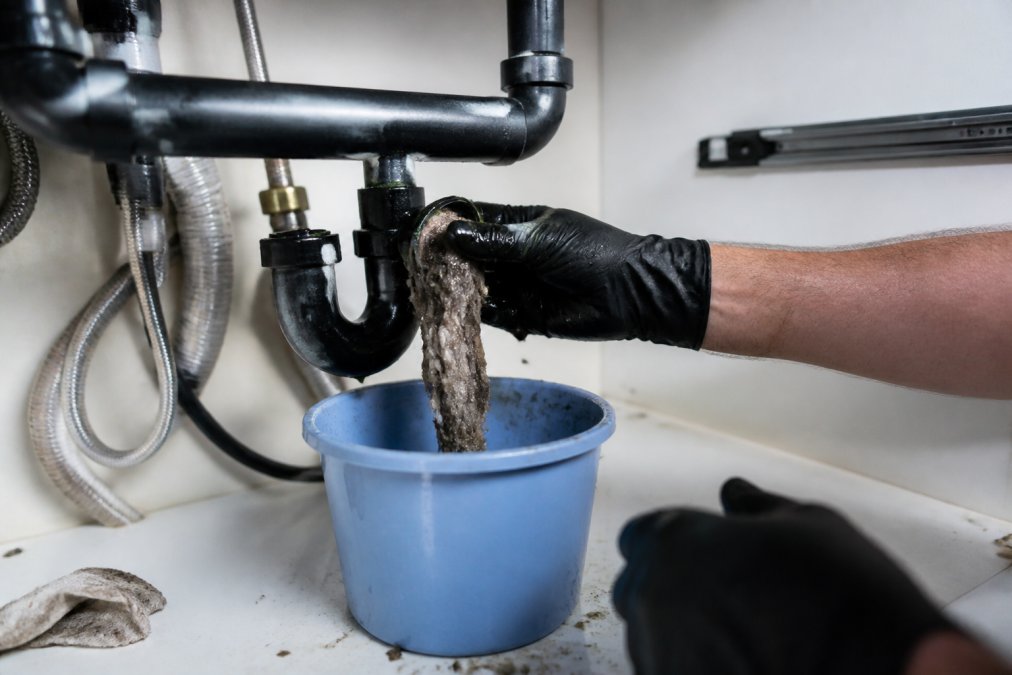
Food waste accumulation happens faster than most people realize. Even small amounts of potato peels, pasta, or rice expand when they absorb water, creating dense obstructions that trap everything downstream. The drain trap, that curved section under your sink, becomes a collection point where grease and solids combine into a stubborn mass.
Hair Accumulation in Bathroom Drains
Bathroom drains clog differently than kitchen drains, but the result is equally persistent. Hair doesn't dissolve. It wraps around debris, catches on rough pipe surfaces, and creates a mesh that traps soap scum, shampoo residue, and skin cells.
A single shower sheds 50-100 hairs. Over a week, that's 350-700 hairs flowing into your drain system. Most drain traps catch surface-level hair, but longer strands slip through and lodge deeper in the pipe. Once hair tangles around mineral deposits or slight pipe irregularities, it becomes an anchor point for additional buildup.
The issue worsens in older homes where pipes have corrosion or slight deformations that create snag points. Hair doesn't just block the pipe, it creates a secondary blockage zone where other materials accumulate. This is why bathroom clogs often return within weeks of being cleared.
Hard Water Minerals and Soap Scum
Hard water minerals, calcium and magnesium, deposit inside your pipes over time. This mineral accumulation narrows the pipe diameter and creates a rough interior surface where debris adheres more easily. Soap scum combines with these mineral deposits to form a stubborn coating that hardens progressively.
In areas with high mineral content, this happens faster than you'd expect. The mineral layer builds silently, reducing water flow gradually until the drain becomes noticeably slow. By the time you notice sluggish drainage, the mineral deposit is substantial.
Soap scum forms when soap interacts with hard water minerals. This combination doesn't rinse away completely, it clings to pipe walls and accumulates with each use. Over months, the pipe's effective diameter shrinks by 25-40%, increasing the likelihood that hair, grease, or food particles will create a complete blockage.
Signs of a Main Sewer Line Blockage You Shouldn't Ignore
A main sewer line blockage is different from a single drain clog. When your main sewer line backs up, multiple drains in your home are affected simultaneously. Water may back up into your lowest-level fixtures, typically the basement bathroom or laundry area, when you use other drains.
Warning signs include gurgling sounds from drains when you flush the toilet, slow drainage from multiple fixtures at once, or foul odors coming from drains throughout the house. If your yard shows patches of unusually green grass or you notice soggy areas, sewage may be leaking from a cracked main line underground.
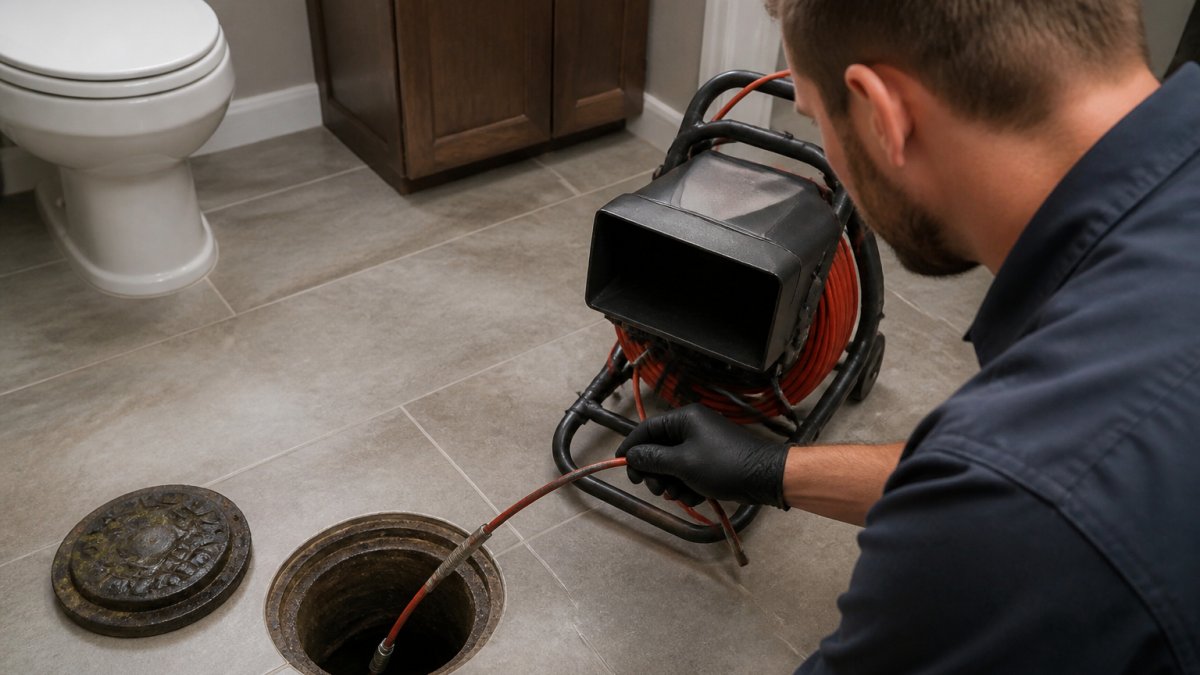
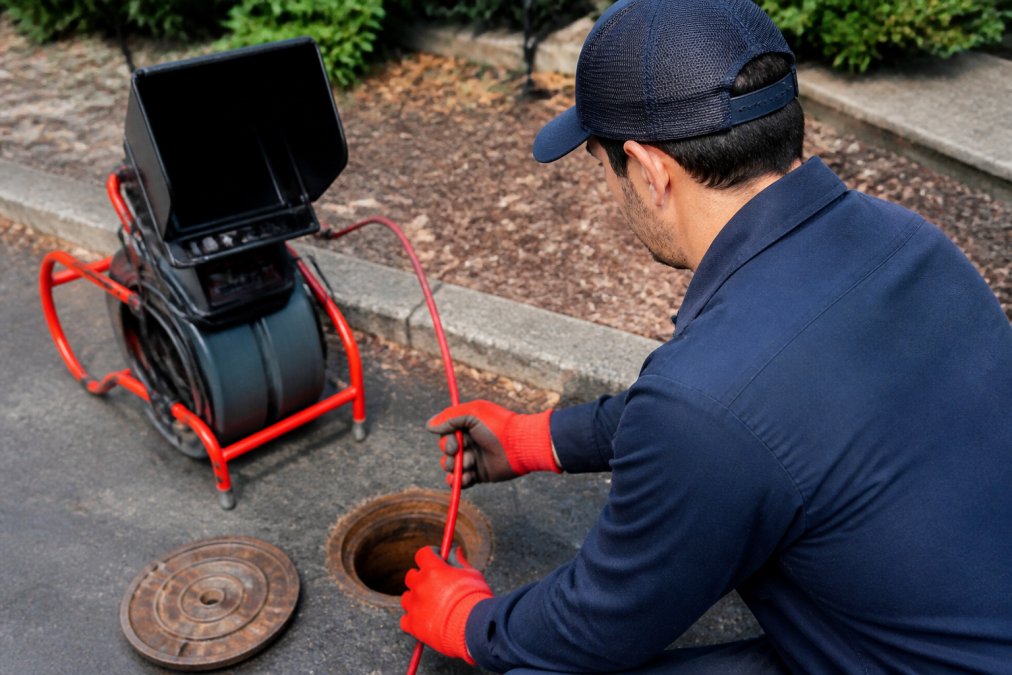
A main sewer line blockage requires professional diagnosis. Tree roots, pipe corrosion, or collapsed sections can cause complete flow restriction. These aren't problems you can fix with a plunger or drain snake. Professional video inspection identifies the exact location and cause, which determines the appropriate repair method.
Pipe Material Age and Why Older Pipes Clog More Frequently
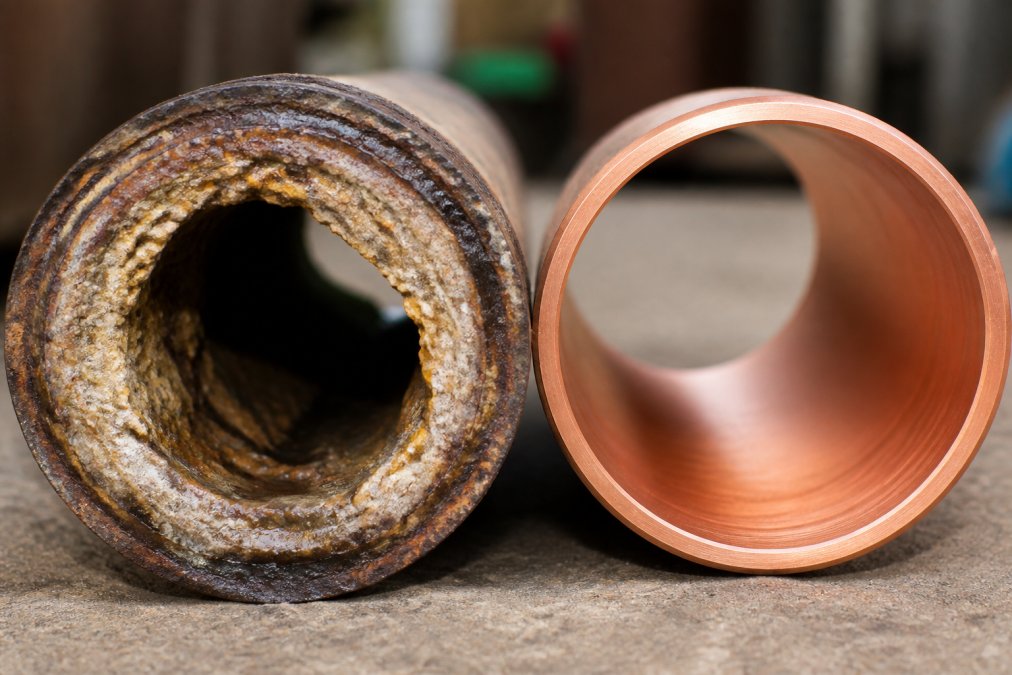
Older pipes clog more frequently because the interior surface degrades over time. Cast iron pipes, common in homes built before 1970, develop internal corrosion that creates a rough, pitted surface. This roughness traps hair, grease, and minerals more effectively than smooth modern pipes.
The corrosion process accelerates in acidic water or areas with high mineral content. As the interior corrodes, the pipe's effective diameter shrinks. A pipe that originally had a 2-inch diameter might function as if it's 1.5 inches after decades of corrosion. This reduced capacity means clogs occur more frequently because less debris is needed to create a blockage.
Galvanized steel pipes, installed in many homes from the 1950s through 1980s, rust from the inside out. Rust particles accumulate and combine with other debris to form blockages.
Vent Stack Blockages: A Hidden Cause of Recurring Clogs
Most homeowners don't realize their drain system includes vent stacks, vertical pipes that allow air into the drainage system and gases to escape. When a vent stack becomes blocked, the entire drain system loses the air pressure it needs to function properly. Water drains slowly, and clogs form more easily because air can't replace the water flowing downward.
Hydro Jetting vs Snaking: Which Method Actually Stops Clogs From Returning
Older pipes require careful consideration before hydro jetting. Pipes with significant corrosion or existing cracks can be damaged by high-pressure water. Professional assessment determines whether your pipes can safely withstand hydro jetting or whether a gentler approach is necessary.
When to Call Professional Drain Cleaning Services
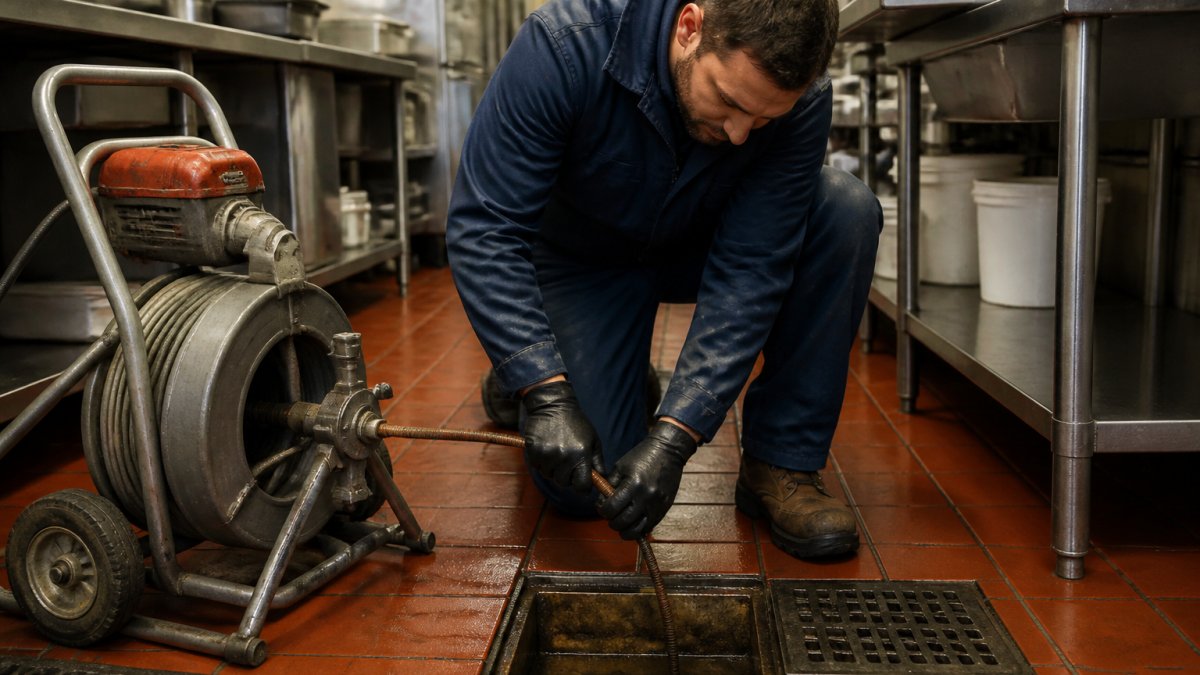
DIY drain cleaning methods, plungers, drain snakes, and chemical cleaners, work for occasional clogs but fail for recurring problems. Chemical cleaners are particularly problematic for chronic issues because they don't address the root cause and can damage older pipes.
How to Prevent Recurring Drain Clogs: Maintenance Steps That Work
Prevention starts with understanding what causes clogs in your specific situation. If your kitchen drains clog frequently, grease management is the priority. If bathroom drains are problematic, hair screens and regular maintenance matter most.
Immediate actions that reduce clogging frequency:
- Install drain screens or hair catchers in all drains and clean them weekly
- Never pour grease down drains; dispose of it in the trash
- Run hot water through drains weekly to help prevent grease and mineral buildup
- Avoid flushing non-flushable items, even if labeled "flushable"
- Use enzymatic drain cleaners monthly for maintenance, not chemical cleaners for emergency clearing
Longer-term maintenance:
| Prevention Method | Frequency | Best For | Effectiveness |
|---|---|---|---|
| Drain screens/hair catchers | Clean weekly | All drains | Prevents 60-80% of clogs |
| Hot water flush | Weekly | Grease prevention | Maintains flow |
| Enzymatic cleaners | Monthly | Maintenance | Prevents buildup |
| Professional hydro jetting | Every 1-2 years | Chronic clogging | Removes all debris |
| Water softener | Continuous | Hard water areas | Reduces mineral deposits |
Frequently Asked Questions
What should I do if my drain keeps clogging after I clear it?
Recurring clogs usually signal a deeper issue beyond surface blockages. If your drain clogs repeatedly within weeks, you likely have pipe corrosion, mineral deposits, or a partial obstruction further down the line. A video pipe inspection can pinpoint the exact location and cause. Temporary fixes like plungers or drain snakes only clear the blockage momentarily, they don't address root causes like grease accumulation in the walls or pipe degradation. Professional drain cleaning services using hydro jetting can remove buildup thoroughly and restore water flow restriction issues.
Can tree roots cause recurring drain clogs in residential properties?
Yes, tree roots are a major cause of recurring clogs in older homes and properties with mature landscaping. Roots penetrate small cracks in pipes seeking moisture, then expand and trap debris accumulation inside the pipe. Once roots enter, they create an ideal catching point for hair, grease, and other debris. A video inspection will show whether roots are present. If found, hydro-jetting can cut roots back, but long-term solutions may involve pipe replacement in the affected section. This is one reason professional diagnosis matters, DIY methods won't resolve root intrusion.
Is hydro jetting safe for pipes over 80 years old?
Hydro jetting can be used on older pipes, but the safety depends on the pipe's current condition. Severely corroded cast iron or clay pipes may be damaged by high-pressure water. A professional video inspection before hydro jetting reveals the pipe's structural integrity and wall thickness. If the pipes are compromised, snaking or enzymatic cleaners are safer alternatives. Many older properties benefit from hydro jetting when pipes are still sound, it removes mineral deposits and grease buildup more effectively than snaking. Always have a professional assess your specific pipe material and age before treatment.
How often should I have my drains professionally cleaned to prevent clogs?
The frequency of professional drain cleaning depends on your plumbing system's age, water hardness, and usage patterns. A professional plumber can recommend a maintenance schedule based on a video inspection of your pipes and the severity of existing buildup.