 blog
Best Drain Cleaning Methods 2026: A Homeowner's Guide
Table of Contents
- Understanding Drain Clogs and Cleaning Methods
- How to Unclog a Drain Without Chemicals
- Drain Snaking vs Hydro Jetting: Which Works Best
- Best Drain Cleaner for Hair Clogs and Buildup
- Signs You Need Professional Drain Cleaning
- Drain Cleaning Methods for Specific Fixtures
- Preventing Future Clogs and Maintaining Your Drains
- Frequently Asked Questions
Last Updated: October 15, 2026
Understanding Drain Clogs and Cleaning Methods
Drain clogs happen when hair, grease, soap scum, and food debris build up inside your pipes. The best approach depends on what's blocking the drain and how severe it is.
Common causes of drain blockages
Causes vary by location: kitchen sinks clog from grease and food particles, bathroom drains from hair and soap scum, and main drains back up when tree roots invade old pipes or debris creates an obstruction. Most clogs develop slowly, so ignoring warning signs turns a slow drain into a complete blockage.
Why drain cleaning matters
A clogged drain can lead to water damage, foul odors, and sewage backups, and the longer it sits, the more damage it causes to your pipes. Clearing minor blockages early stops them from becoming expensive problems, which is why understanding your drain cleaning options matters.
How to Unclog a Drain Without Chemicals
Chemical-free methods are the right first move for most household clogs: inexpensive, safe for nearly every pipe material, and made from items you already own. But each has a specific mechanism, clog type, and failure point. Matching the method to the clog separates a five-minute fix from an hour of wasted effort.
Match the method to the clog and the pipe
Before you pour or plunge anything, identify two things: what is likely blocking the drain, and what the drain is made of.
| Method | Mechanism | Best clog type | Pipe-material caution | Typical time |
|---|---|---|---|---|
| Hot (not boiling) water | Melts and flushes grease | Fresh grease, light soap film | Safe for PVC, ABS, cast iron, copper | 5-10 minutes |
| Baking soda + vinegar | CO2 fizzing loosens surface debris | Light organic buildup, odor | Safe for all common materials | 15-30 minutes |
| Cup plunger | Pressure and suction | Soft clogs near the fixture trap | Safe for all common materials | 5-15 minutes |
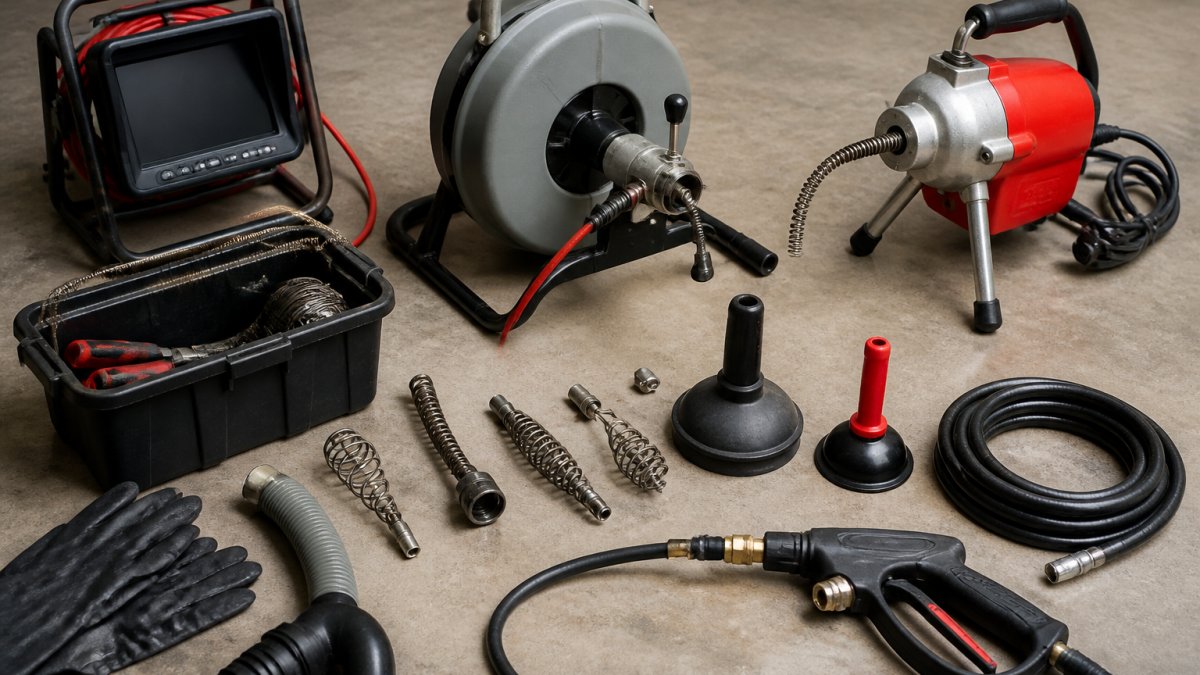
| Drain snake (hand auger) | Physically grabs or breaks the clog | Hair, soap scum, food debris | Safe, but can scratch soft plastics if forced | 15-45 minutes |
| Wet/dry vacuum | Pulls loose debris back out | Hair mats, standing water with soft debris | Safe if the trap is accessible | 10-20 minutes |
People often reach for the most aggressive method first. That's backwards. Start with the gentlest method that matches the clog, and escalate only if flow does not improve.
Baking soda and vinegar: what it actually does
Baking soda (sodium bicarbonate) and vinegar (dilute acetic acid) react to produce carbon dioxide gas.
- Remove standing water with a cup or turkey baster so the mixture reaches the clog.
- Pour half a cup of baking soda down the drain.
- Follow with one cup of white vinegar.
- Plug the drain opening with a stopper or rag to push the reaction downward.
- Wait 15-30 minutes.
- Flush with hot tap water and check the flow.
This method shines as maintenance and as a first attempt on slow drains. If two rounds do not restore full flow, the clog is past what fizzing can reach.
Hot water, plunging, and the wet/dry vacuum
Hot tap water melts fresh grease and flushes light buildup. Use hot water, not boiling, on PVC and ABS drains; sustained boiling water can soften plastic joints.
A cup plunger works by pressure and suction.
A wet/dry vacuum pulls a soft clog back toward the fixture instead of pushing it deeper.
How to tell a temporary improvement from a real fix
A drain that gurgles, drains slowly, or refills after a few minutes is not cleared. Watch for:
- Water backs up again within a day or two.
- Other fixtures drain slowly at the same time.
- You hear gurgling in a different drain when you run water.
Any of these suggests the blockage is deeper than the fixture trap or buildup has re-formed on the pipe walls. Repeated DIY attempts push debris further down the line and make professional clearing harder, so two honest attempts is a reasonable stopping point.
Drain Snaking vs Hydro Jetting: Which Works Best
When DIY methods fail, you need mechanical or pressure-based solutions. Drain snaking and hydro jetting are the two most effective professional drain cleaning methods, and they suit different situations.
How drain snakes work
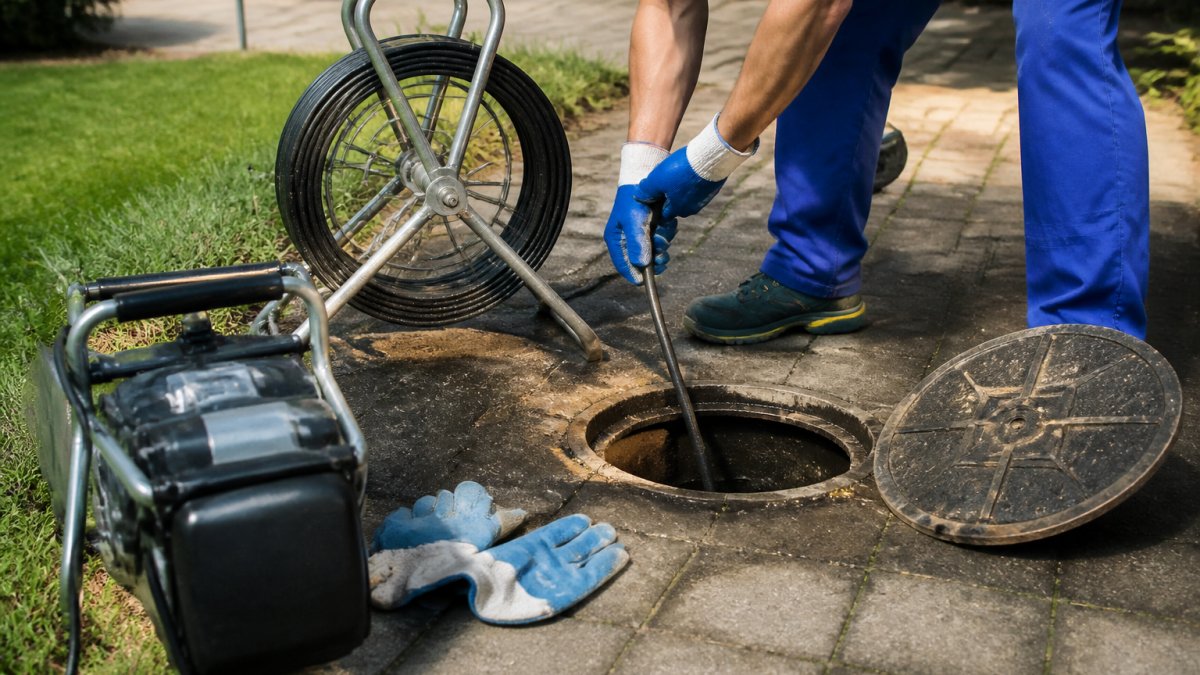
A drain snake is a long, flexible cable with a hook or cutting head. A plumber feeds it down the drain, rotating it to break apart clogs or hook debris and pull it out.
Snaking works on hair, soap scum, and food debris in the first 25-50 feet of pipe, and takes 30-60 minutes depending on location and severity.
How hydro jetting works
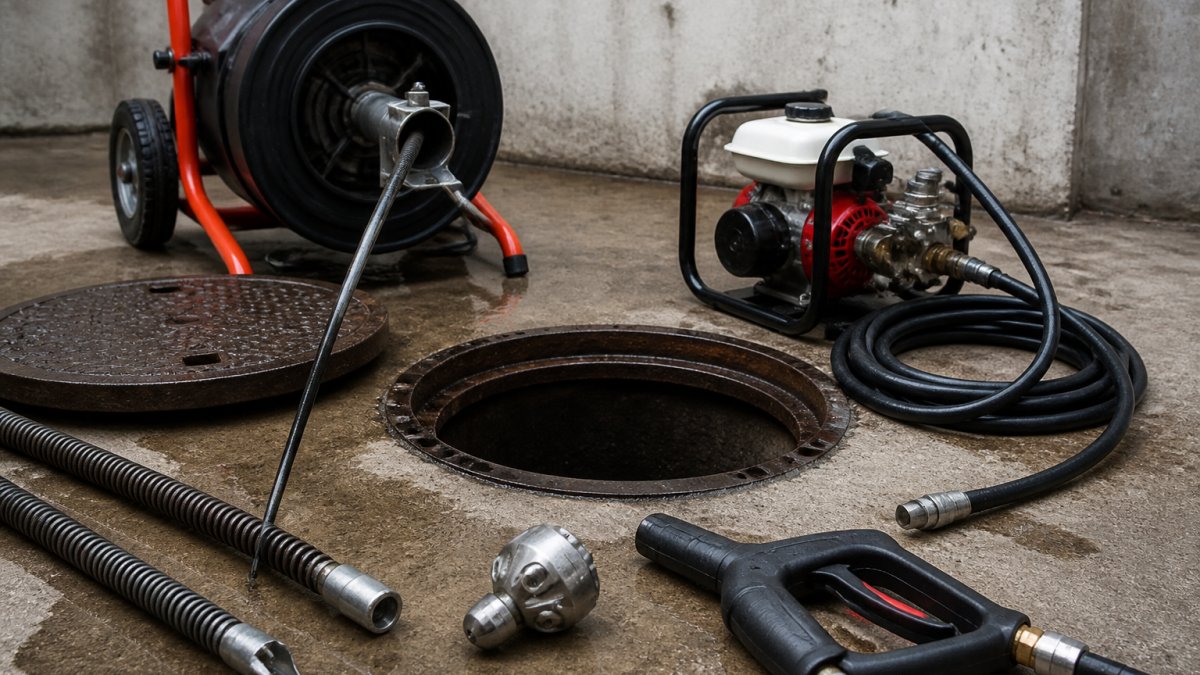
Hydro jetting uses high-pressure water to blast away clogs and buildup. A nozzle shoots water at 3,000-4,000 PSI down the drain, scouring pipe walls clean and pushing debris through the system.
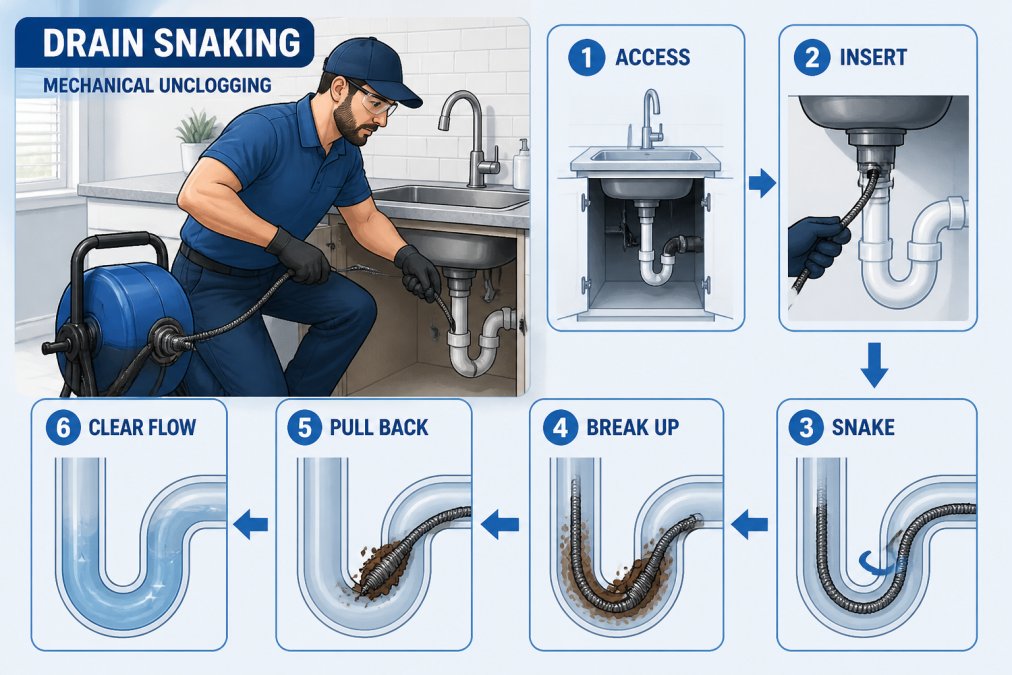
Comparing effectiveness, cost, and pipe safety
Drain Snaking: Works fast on localized clogs. Best for hair and food debris. May not remove all buildup.
Hydro Jetting: Clears entire pipe sections thoroughly. Removes grease, minerals, and buildup. Prevents clogs longer.
Snaking is cheaper upfront; hydro jetting costs more but lasts longer.
| Method | Best For | Speed | Recurring Clogs | Pipe Safety |
|---|---|---|---|---|
| Drain Snake | Hair, food debris | 30-60 minutes | Every 6-12 months | Very safe |
| Hydro Jetting | Grease, buildup, roots | 45-90 minutes | Every 2-3 years | Requires inspection |
| Baking Soda & Vinegar | Light buildup | 15-30 minutes | Monthly | Very safe |
Best Drain Cleaner for Hair Clogs and Buildup
Chemical drain cleaners work through different mechanisms: some dissolve clogs, others use biological action to break down organic material. Understanding the difference helps you pick the right tool.
Enzyme-based and biological cleaners
Enzyme-based cleaners use natural proteins that slowly digest hair, soap scum, and food debris, and are gentler on pipes and the environment. Biological cleaners contain bacteria that consume organic buildup over hours or days, and are safer for all pipe types, including old cast iron and clay.
Chemical cleaners: safety and effectiveness
Chemical drain cleaners use caustic or oxidizing compounds to dissolve clogs fast, sometimes in 15-30 minutes. But they're dangerous.
They generate heat and toxic fumes, can splash and burn skin, and mixing different cleaners creates toxic gas, never combine products.
If you use a chemical cleaner, wear gloves and eye protection and ensure good ventilation. If it doesn't work after 30 minutes, don't add another product, call a professional.
Signs You Need Professional Drain Cleaning
Some clogs require professional help. Knowing when to call saves time and prevents damage.
When DIY methods fail
If baking soda, boiling water, or a plunger don't work after two attempts, the clog is deeper or more stubborn than DIY can handle.
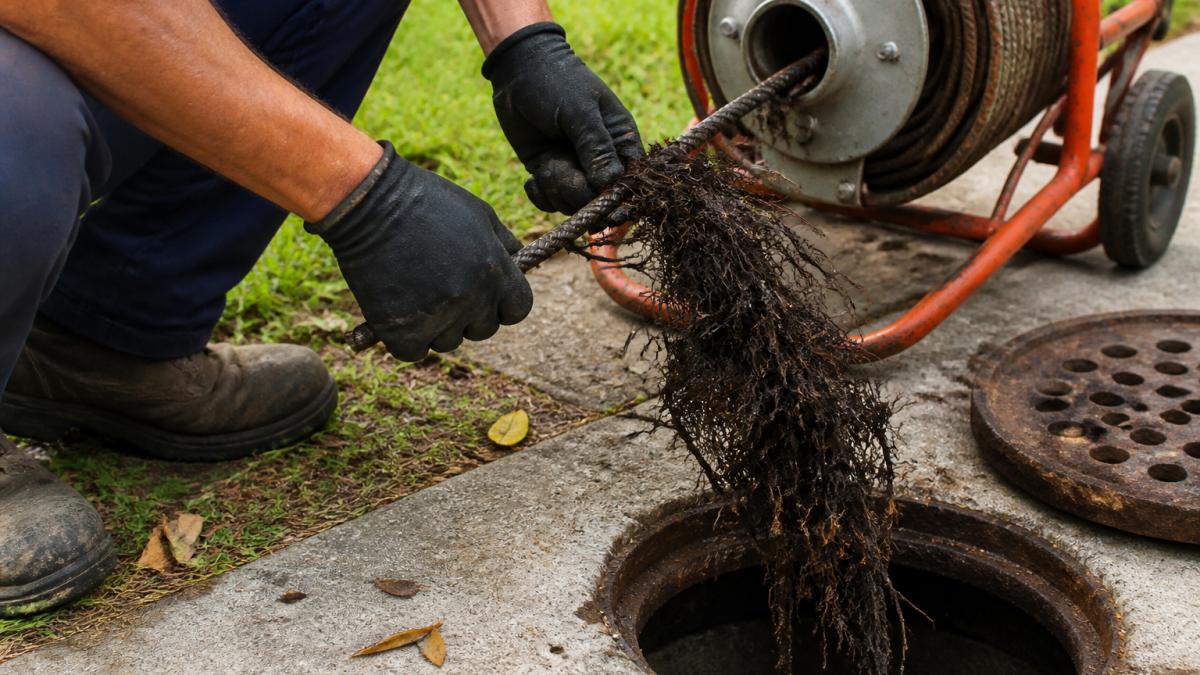
Recurring clogs are another sign: if the same drain clogs every month, tree roots, pipe damage, or major buildup requires professional diagnosis.
Red flags for tree roots and pipe damage
Tree roots grow toward moisture and can crack or completely invade pipes. Signs include:
- Multiple drains backing up at once
- Sewage odors coming from drains or yard
- Soggy patches in the yard
Pipe damage shows different symptoms. Old clay or cast iron pipes can crack, collapse, or separate at joints. Video inspection is the only way to know for certain.
Jersey Shore Sewer & Drain Cleaning uses video inspections to diagnose problems accurately, preventing unnecessary work and identifying real issues before they worsen.
Drain Cleaning Methods for Specific Fixtures
The best drain cleaning method depends on the fixture and what's blocking it.
Kitchen sink drains and grease buildup
Kitchen drains clog from grease more than anything else.
Boiling water dissolves fresh grease and baking soda and vinegar handle light buildup, but serious grease clogs need a drain snake or hydro jetting.
Prevention matters here. Never pour grease down the drain. Let it cool, solidify, and throw it away.
Shower and tub drains clogged with hair and soap scum
Hair is the main culprit in bathroom drains, wrapping around debris to create dense mats that block water flow.
A drain snake works well for hair clogs. The hook catches hair and pulls it out.
Simple prevention stops most bathroom clogs. Use a drain cover or strainer. Clean it weekly.
Main drain and sewer line blockages
Main drain clogs are more serious. These affect your entire plumbing system. Signs include:
- Multiple drains backing up
- Toilets overflowing or draining slowly
- Sewage smell inside or outside the home
Main drain clogs need professional help. A drain snake works if the blockage is near the main cleanout; deeper blockages or tree roots require hydro jetting. Jersey Shore Sewer & Drain Cleaning has the expertise to handle main line issues safely.
Preventing Future Clogs and Maintaining Your Drains
Prevention advice is everywhere, but what's missing is the why: which habit stops which clog, what it saves, and how the routine changes from kitchen to bathroom to main line.
Kitchen drains: stop grease and food before they set
Grease is the dominant kitchen clog. It leaves the pan as a liquid, cools inside the pipe, and coats the walls; food particles stick to that coating, narrowing the pipe with every meal.
- Never pour grease down the drain. Pour it into a can, let it solidify, and throw it in the trash. This single habit prevents most kitchen clogs.
- Use a mesh strainer. It catches coffee grounds, rice, eggshell fragments, and fibrous scraps that do not break down.
- Run cold water while you run the disposal, and for 15-30 seconds after. Cold water keeps grease from melting and re-coating the pipe; hot water can help grease travel further before it sets.
Cost and time: a mesh strainer is a few dollars and takes seconds to rinse. A grease can is free. Both are far cheaper than a professional clearing.
Bathroom drains: break the hair-and-soap-scum cycle
Hair and soap scum build a mat that water cannot push through, trapping more hair and slowing the drain in stages rather than all at once.
- Install a hair catcher in the shower and tub. This is the highest-return prevention step in the bathroom.
- Clean the catcher every one to two weeks. Hair that sits in the catcher is hair that never enters the pipe.
- Run hot tap water for 30 seconds after each shower. This flushes loose soap film before it hardens.
Cost and time: a hair catcher is inexpensive, and a monthly enzyme treatment is a small recurring cost.
Main drain and sewer line: watch the whole-house signals
The main line is where small habits have the biggest consequences. A main-line clog affects every fixture, and tree roots and pipe damage cannot be prevented with a strainer.
- Watch for multiple slow drains at once. That pattern points to the main line, not a single fixture.
- Know where your main cleanout is. In an emergency, that access point is what lets a plumber work quickly.
- Schedule a camera inspection if the home is older or has mature trees near the sewer route. Roots enter at joints and cracks, and they grow toward the moisture.
Cost and time: a camera inspection is a modest one-time cost that can prevent a much larger repair.
A realistic maintenance calendar
| Frequency | Kitchen | Bathroom | Main line |
|---|---|---|---|
| Weekly | Rinse strainer; flush with hot tap water | Clean hair catcher; hot-water flush | , |
| Monthly | Hot-water flush; enzyme treatment if slow | Enzyme cleaner | , |
| Quarterly | Inspect under-sink trap for buildup | Check for slow drains | , |
| Annually | , | , | Camera inspection if older home or tree roots suspected |
Environmental and cost trade-offs
Prevention methods differ in more than price. Hot water and strainers produce no chemical waste. Enzyme and biological cleaners are biodegradable and gentle but cost more and work slowly. Caustic cleaners are cheap and fast but carry disposal concerns, can damage older pipes, and pose a safety risk if misused.
Frequently Asked Questions
What is the most effective drain cleaning method for stubborn clogs?
Effectiveness depends on the clog type and location. For hair and soap buildup, drain snakes or enzyme-based cleaners work well. For grease and mineral deposits, hot water or hydro jetting is more effective. Tree roots and severe blockages require professional hydro jetting or video inspection to diagnose the exact problem before treatment. A professional can assess your specific situation and recommend the best approach.
Can chemical drain cleaners damage old pipes?
Yes, chemical cleaners can damage older pipes, especially those made of cast iron or galvanized steel. These pipes are more susceptible to corrosion from harsh chemicals. Enzyme-based or biological cleaners are safer alternatives for aging plumbing. If your home has pipes over 50 years old, ask a professional to inspect them before using any chemical product. This protects your investment and prevents costly repairs.
How do I know if I need professional drain cleaning instead of DIY methods?
Call a professional if DIY methods fail after one or two attempts, if you notice recurring clogs in the same drain within months, if multiple drains back up simultaneously, or if you see signs of tree roots or sewage backup. Professional video inspection can identify the exact cause and location of blockages, preventing repeated problems. This is especially important for main drain issues that affect your entire plumbing system.
Is hydro jetting safe for pipes over 80 years old?
Hydro jetting can be risky for very old pipes without proper assessment. High-pressure water may worsen existing cracks or weak spots in aging plumbing. A professional video inspection should be done first to evaluate pipe condition. If pipes are structurally sound, controlled hydro jetting at lower pressure settings is often safe and effective. Always have a licensed plumber assess your specific pipes before proceeding with this method.