 blog
Best Sewer Cleaning Methods 2026
Table of Contents
- Why Sewer Cleaning Methods Matter: Blockage Type Determines Your Best Option
- Hydro Jetting Sewer Line: High-Pressure Cleaning for Stubborn Buildup
- Sewer Drain Snaking: Mechanical Removal for Roots and Debris
- Sewer Camera Inspection: Diagnosing the Real Problem Before Treatment
- How Often to Clean Sewer Lines: Prevention Beats Emergency Repairs
- Safety and Pipe Compatibility: What Works for Old Pipes Versus New Construction
- Professional Methods and Long-Term Value: Why Video Inspection Saves Money
- Frequently Asked Questions
Last Updated: October 17, 2026
Why Sewer Cleaning Methods Matter: Blockage Type Determines Your Best Option
Sewer line problems cost homeowners thousands in emergency repairs. The difference between a quick fix and a major excavation often comes down to choosing the right cleaning method for your specific blockage type.
We've seen every kind of sewer disaster. Grease buildup, tree roots, collapsed pipes, mineral deposits, each requires a different approach. Using the wrong method wastes money and can even damage pipes further.
This guide covers the best sewer cleaning methods in 2026 and how to match the right one to your problem. We'll walk you through what works, what doesn't, and when to call a professional.
Hydro Jetting Sewer Line: High-Pressure Cleaning for Stubborn Buildup
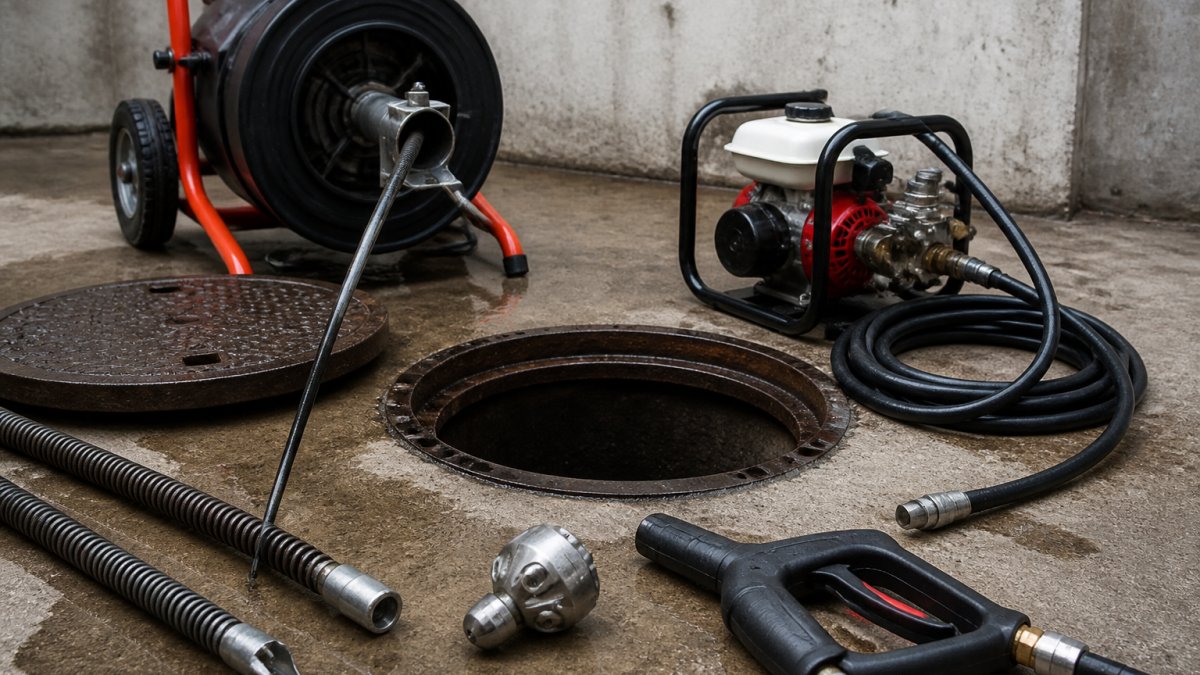
Hydro jetting uses pressurized water to blast away blockages. A truck-mounted pump forces water through a specialized nozzle at pressures between 3,000 and 4,000 PSI.
This method works best for:
- Grease and soap buildup in kitchen drains
- Scale and mineral deposits
- Sludge accumulation in older pipes
- Clearing tree roots from lines
The power of hydro jetting can clear years of buildup in minutes. One pass often restores full flow to a sewer line that was running at half capacity.
However, hydro jetting isn't safe for every pipe. Older clay or cast iron pipes can crack under high pressure. Pipes with existing damage or thin walls need inspection first.
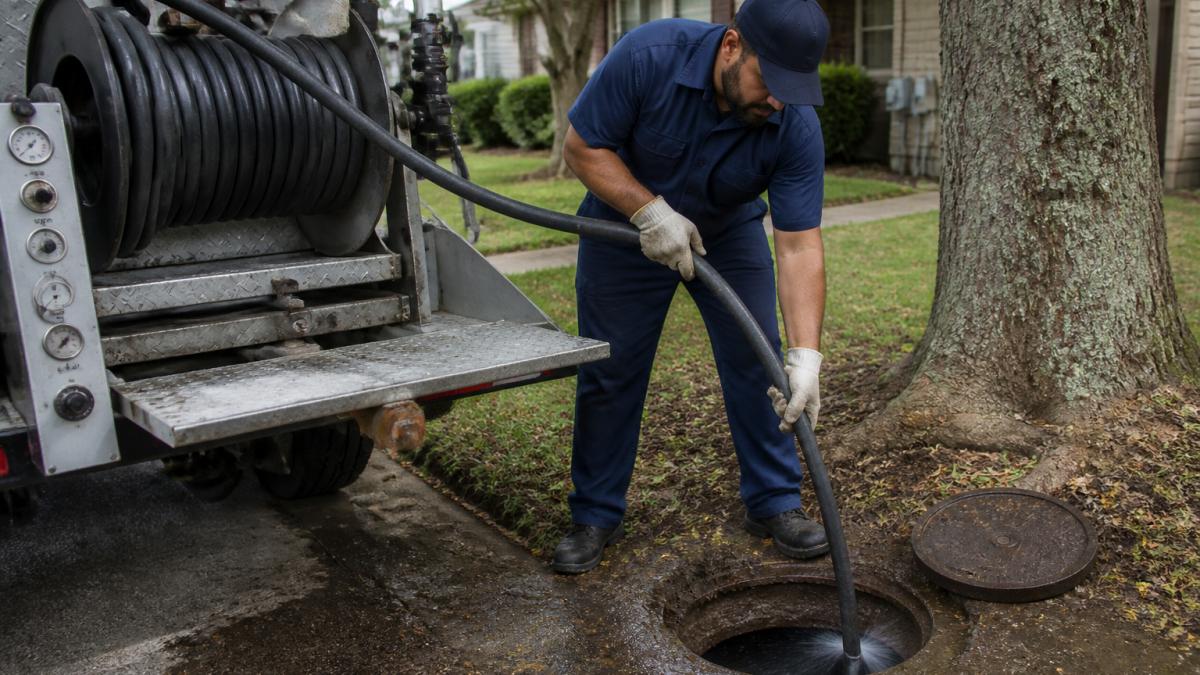
The real advantage of hydro jetting is prevention. After clearing a line, regular hydro jetting keeps buildup from returning. Many commercial kitchens schedule quarterly treatments to avoid emergency closures.
Jersey Shore Sewer & Drain Cleaning uses hydro jetting for restaurants, apartment buildings, and homes with recurring drain problems.
Sewer Drain Snaking: Mechanical Removal for Roots and Debris
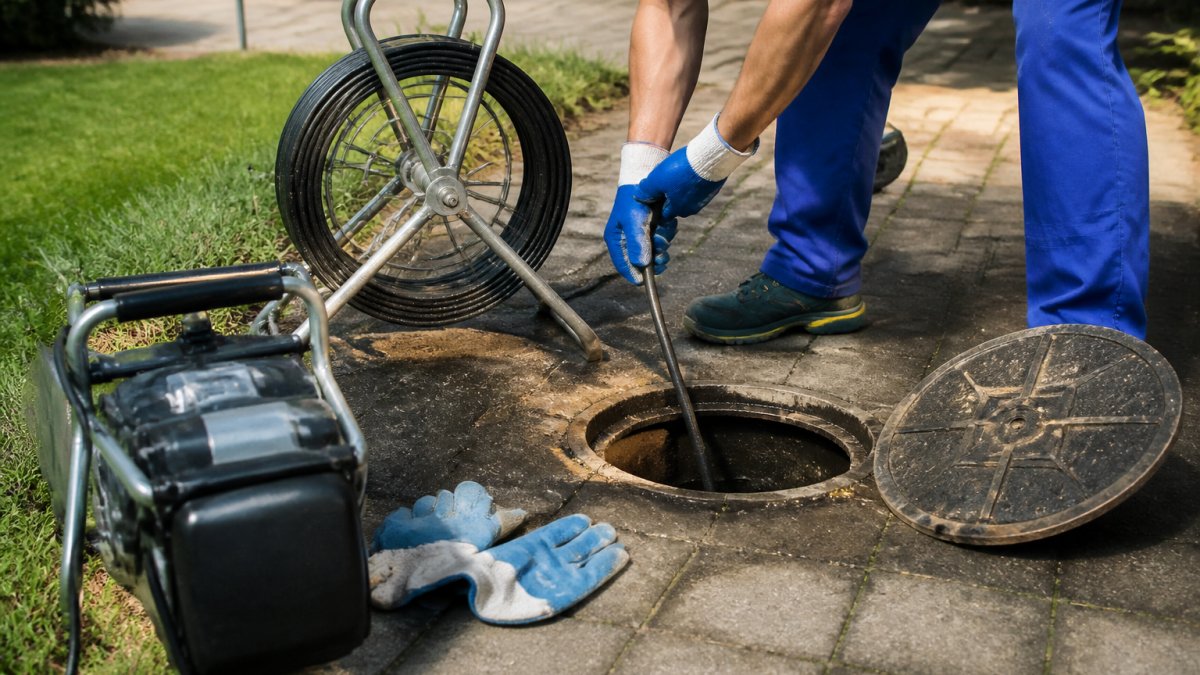
Drain snaking, also called cabling or rodding, is the oldest mechanical sewer-cleaning method still in daily use. A motorized drum or sectional machine spins a flexible steel cable through the cleanout or drain opening. A cutting head on the cable end breaks up or grabs the blockage, and the cable is retracted to pull debris back to the access point.
Snaking is the right first move for several blockage types:
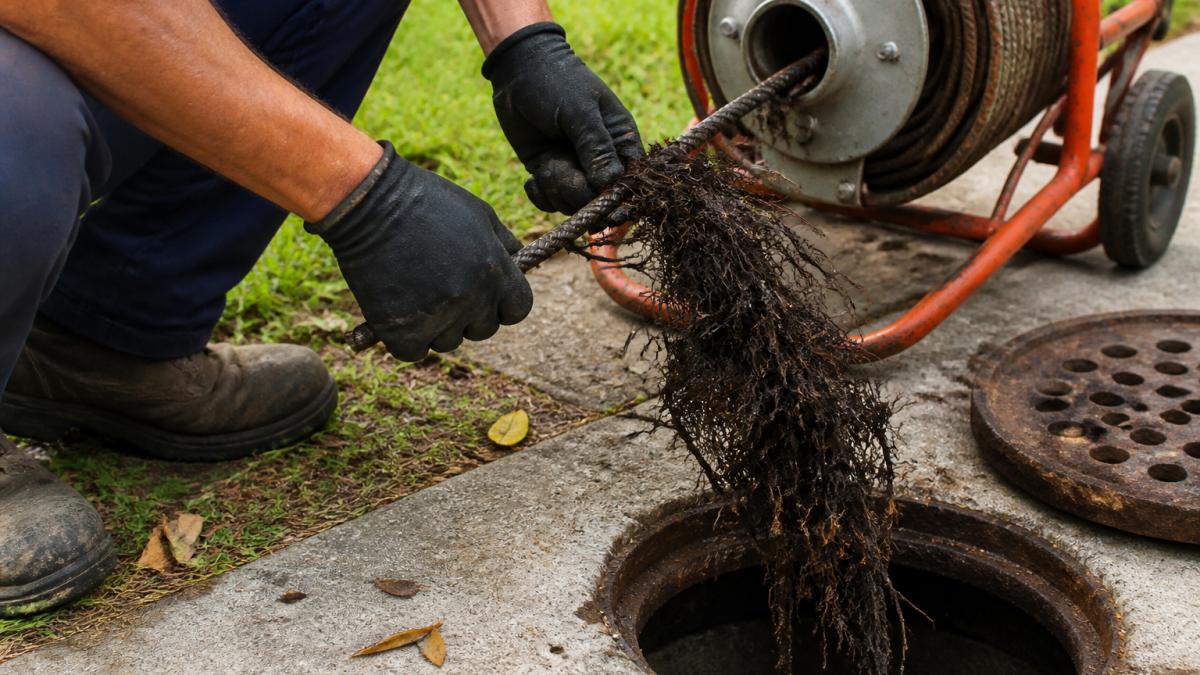
- Tree root intrusion. Roots enter through joints and cracks, then expand. A root-cutting head (often a spiral or boring head) slices through the root mass and restores flow. This is the most common cause of main-line backups in older neighborhoods with mature trees.
- Soft debris jams. Paper, wipes, and food solids that have congealed into a plug respond well to a straight or drop-head auger.
- Collapsed or offset pipe sections. A cable can punch through a partial collapse to restore temporary flow, buying time before a repair.
- Emergency clearance. When sewage is backing up into a basement floor drain, snaking is usually the fastest way to get flow moving again the same day.
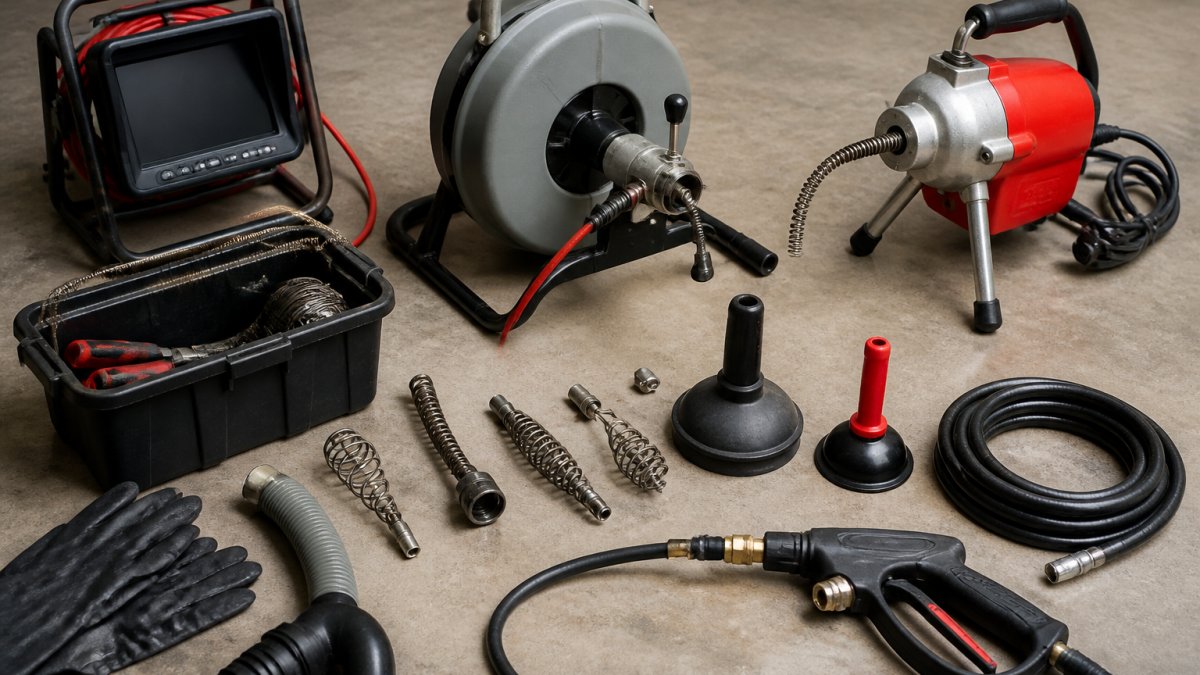
Equipment and reach. Hand augers (often 1/4-inch to 3/8-inch cable) handle sink and tub clogs but are not sewer tools. Main-line work uses 1/2-inch to 3/4-inch sectional cable on a power feed machine, and larger 7/8-inch to 1-1/4-inch cable for long runs. A professional sectional machine can reach 100 feet or more through a 4-inch lateral, but reach depends on the number of bends, the cable stiffness, and whether the line has a cleanout near the street.
What snaking does not do. A cable opens a channel through a blockage; it does not scrub the pipe wall. Grease, soap scum, and mineral scale remain on the pipe interior, so a grease-clogged line often re-blocks within months. For roots, the cut ends regrow and re-enter the line, which is why root problems typically need repeat treatment or a permanent repair.
Cost context. A hardware-store rental snake runs roughly $50 to $100 per day in most markets, but a consumer-grade machine lacks the torque and cable length for a main line. A professional drain snaking call typically runs depending on access, cable length, and time of day.
Snaking is best understood as a targeted mechanical tool, not a maintenance cure. It restores flow and buys diagnostic information: what comes back on the cable head (roots, grease, grit) tells you what the line is fighting. That information should drive whether the next step is camera inspection, hydro jetting, or a repair.
Sewer Camera Inspection: Diagnosing the Real Problem Before Treatment
Before treating a sewer line, you need to know what's actually wrong. A sewer camera inspection runs a waterproof camera through the pipe on a cable, showing the exact location and cause of every blockage.
The camera displays video on a monitor above ground. You see cracks, roots, grease buildup, and structural damage in real time.
This is where most homeowners save money. Without inspection, plumbers guess at the problem. They might recommend expensive hydro jetting when a simple snake would work, or vice versa.
It tells you:
- Exact location of the blockage
- Whether the pipe is cracked or collapsed
- If roots have invaded the line
- How much grease or mineral buildup exists
- Whether the line is old clay or modern PVC
This information changes everything. You avoid unnecessary work and catch real problems before they become emergencies.
Jersey Shore Sewer & Drain Cleaning uses camera inspection on every service call. You see what we see, and you understand why we recommend what we recommend.
How Often to Clean Sewer Lines: Prevention Beats Emergency Repairs
Most homeowners never think about sewer maintenance until something breaks. By then, the cost multiplies.
Regular sewer cleaning prevents emergencies. The frequency depends on your situation:
Homes with trees nearby: Once every 1-2 years. Tree roots are aggressive. They find small cracks and grow into the pipe.
Older homes (pre-1970): Every 2-3 years. Clay pipes degrade. Roots penetrate. Buildup accumulates faster.
Modern homes with no trees: Every 3-5 years. PVC pipes resist roots. Buildup is slower.
Commercial kitchens: Every 3-6 months. Grease accumulates fast. One shutdown costs thousands in lost revenue.
The cost of preventive cleaning is a fraction of emergency repairs. Regular maintenance costs far less.
Prevention also protects your property value. Buyers demand sewer inspection certificates. A well-maintained line sells faster and at a higher price.
Safety and Pipe Compatibility: What Works for Old Pipes Versus New Construction
Not every method works on every pipe. Age, material, and condition determine what's safe.
Clay pipes (pre-1970): Fragile. Use snaking only, with gentle technique. Hydro jetting risks cracking. Camera inspection first is mandatory.
Cast iron pipes (1970-1990): Moderate strength. Snaking is safe. Low-pressure hydro jetting may work. Always inspect first.
PVC pipes (1990-present): Durable. All methods are safe. Hydro jetting works great. No inspection required for routine cleaning.
Old pipes also have different failure modes. Clay pipes crack and collapse. Cast iron rusts from inside. PVC pipes rarely fail from age alone.
If your home was built before 1970, assume clay pipes until proven otherwise. Aggressive cleaning methods can turn a slow leak into a major repair.
Jersey Shore Sewer & Drain Cleaning inspects every line before recommending treatment.
Professional Methods and Long-Term Value: Why Video Inspection Saves Money
Most sewer-cleaning content stops at "call a pro." The useful question is what a professional actually does that a homeowner cannot, and when the professional method is worth the cost versus a DIY attempt.
Step 1: Locate and access. A professional starts by finding the cleanout and, if the blockage is not at an accessible point, using a camera or a locating transmitter to pinpoint the problem.
Step 2: Inspect before treating. A sewer camera inspection runs a waterproof camera on a push rod through the line and displays the interior on a monitor. The inspection identifies the blockage material (roots, grease, scale, grit, collapsed pipe), the pipe material, and the condition of joints.
Step 3: Choose the mechanical method. Professionals select among:
- Cabling/snaking for roots and soft plugs, as described above.
- Hydro jetting with a range of nozzles. A penetrating nozzle (often a small forward jet) starts a hole in a solid blockage; a flusher or chaser nozzle with rear-facing jets scrubs the pipe wall; a root-cutting nozzle with a chain or blade assembly cuts roots. Pressure and flow are matched to pipe material and diameter, which is why a professional jetting truck can run lower pressure on old pipe than a consumer pressure washer ever could.
- Mechanical descaling for heavy mineral scale or grease in commercial lines, using a chain or scraper head on a cable.
- Root cutting with a dedicated cutter head when roots have deformed the pipe.
Step 4: Verify and document. After cleaning, a professional re-runs the camera to confirm the line is clear and to record any remaining defects. That video is the evidence a homeowner needs for a warranty claim, a real estate transaction, or a decision about repair versus continued maintenance.
When DIY is reasonable. A homeowner can reasonably handle a sink or tub clog with a hand auger or a plunger, and can use an enzyme maintainer on a slow kitchen drain.
Long-term value. The value of professional work is not just the cleaning; it is the diagnosis. A camera inspection answers what is wrong, where it is, and whether the line is a maintenance case or a repair case. That converts a recurring emergency into a planned decision.
Frequently Asked Questions
How often should I clean my sewer line to prevent backups?
Most residential properties benefit from sewer line inspection every 3 to 5 years, with cleaning performed only when blockage or buildup is confirmed. Properties with older pipes, tree roots nearby, or a history of clogs may need more frequent cleaning. Commercial properties and restaurants typically require annual inspections. A sewer camera inspection identifies the actual condition, so you're not paying for cleaning you don't need, only the maintenance that protects your property.
Is hydro jetting safe for pipes over 80 years old?
Hydro jetting can be used on older pipes, but it requires professional assessment first. A sewer camera inspection determines pipe condition, material, and structural integrity before treatment. Pipes with existing cracks, corrosion, or deterioration may not tolerate high-pressure water. In those cases, mechanical snaking or other methods are safer. Professional plumbers adjust water pressure based on pipe age and material, ensuring effective cleaning without damage.
What is the difference between sewer drain snaking and hydro jetting?
Sewer drain snaking uses a rotating cable with a cutting head to break apart clogs and pull out debris like roots and paper buildup. Hydro jetting sewer line uses high-pressure water jets to blast away buildup, grease, and scale from pipe walls. Snaking works well for localized blockages and root intrusion. Hydro jetting cleans the entire pipe diameter and removes years of buildup, making it better for prevention and long-term maintenance. The right choice depends on blockage type and pipe condition.
How can I tell if my sewer line needs professional cleaning?
Common signs include slow drains throughout your home, recurring backups in multiple fixtures, sewage odors indoors or in your yard, and patches of unusually green grass over the sewer line. If you've had the same clog treated multiple times in one year, the root cause, often deeper in the sewer line, hasn't been addressed. A sewer camera inspection is the only way to confirm the actual problem. Professional diagnosis prevents repeated repairs and identifies whether cleaning, root removal, or pipe rehabilitation is needed.
Sewer problems don't fix themselves. A slow drain becomes a backed-up line becomes a flooded basement. Early detection and the right treatment method save thousands.
Jersey Shore Sewer & Drain Cleaning provides professional sewer camera inspection, hydro jetting, and drain snaking with same-day appointments available. We're licensed, bonded, and insured. Call the plumber now for a free quote and honest diagnosis of your sewer line.