 ultimate-guide
Benefits of Video Pipe Inspections: Find Problems Fast
Table of Contents
- What Video Pipe Inspections Reveal About Your Sewer System
- How CCTV Pipe Inspection Technology Works
- Detecting Leaks, Blockages, Roots, and Structural Damage
- How to Read a Sewer Camera Inspection Report
- Sewer Line Inspection Duration and What to Expect
- Understanding Sewer Camera Inspection Cost and Value
- When Video Inspection Prevents Costly Repairs
- Inspection Limitations and Conditions That Affect Results
- Frequently Asked Questions
Last Updated: October 13, 2026
What Video Pipe Inspections Reveal About Your Sewer System
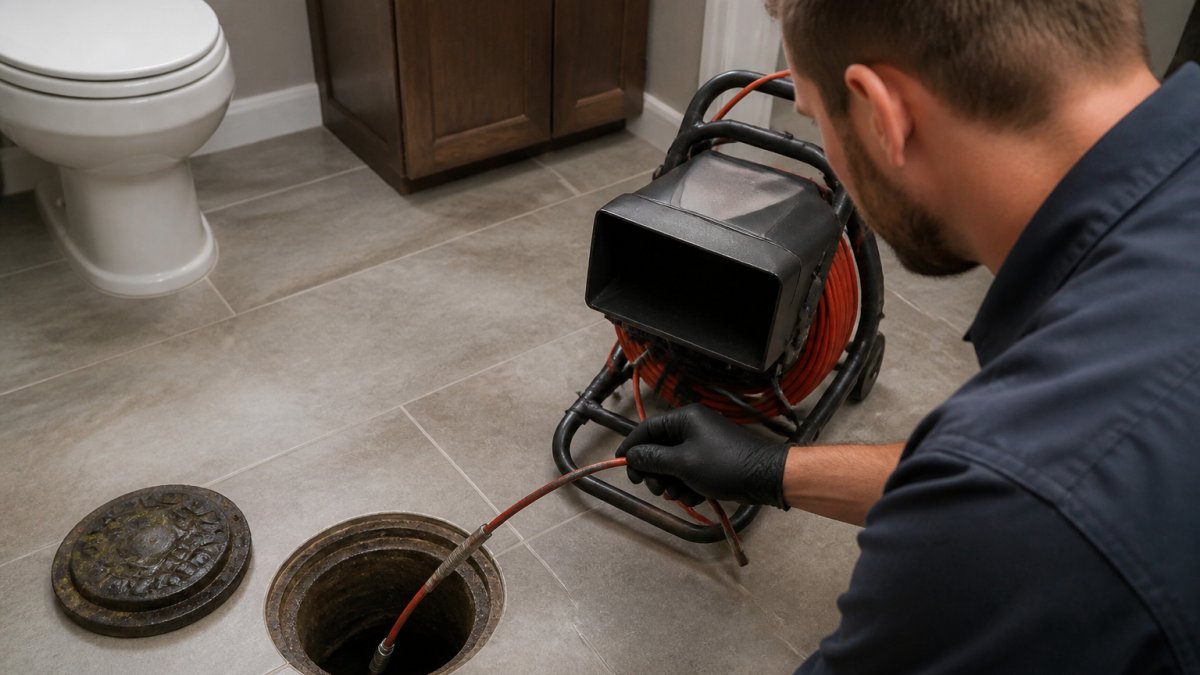
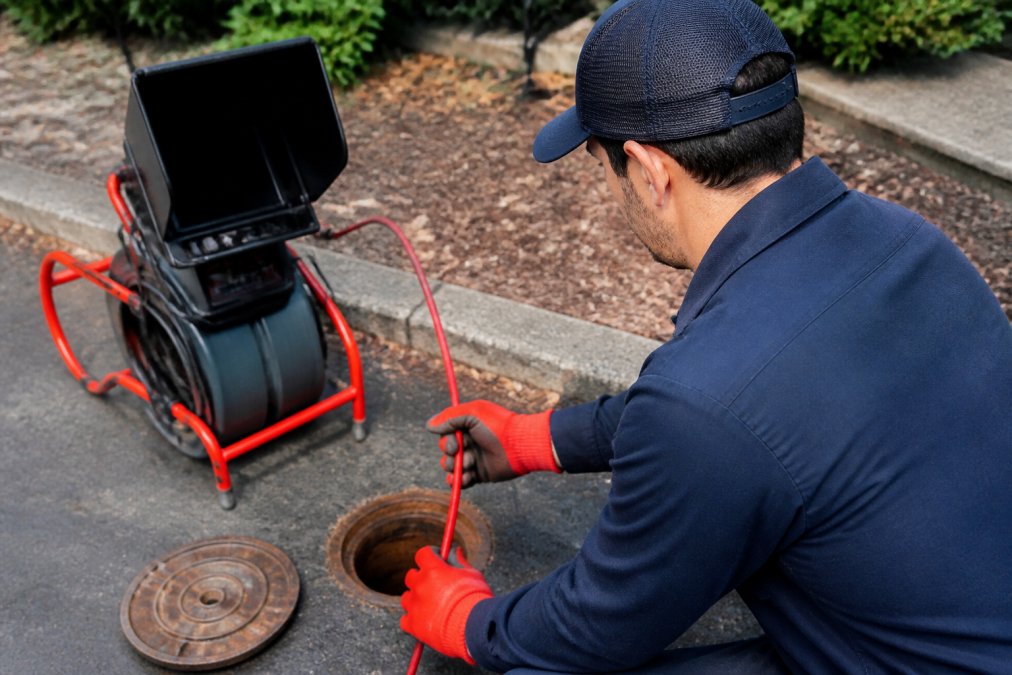
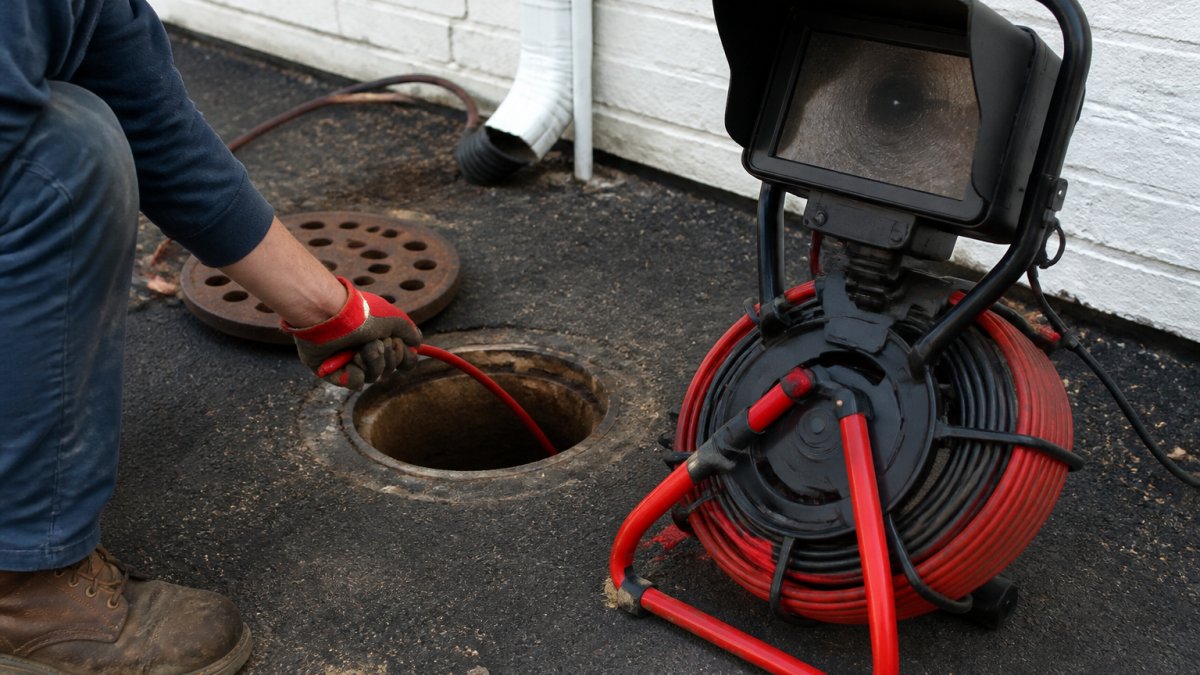
A video pipe inspection uses a small camera on a flexible cable to look inside your sewer and drain lines without digging, giving you live footage and a detailed report of what needs attention. Getting one early catches problems before they become emergencies.
The real value isn't just seeing the problem, it's knowing whether you actually have one. Many property owners have spent thousands on repairs they didn't need because a plumber claimed something was wrong without proof. A video inspection gives you that proof: you can see cracks, roots, blockages, and corrosion yourself on the monitor.
This technology has changed how we diagnose sewer problems. Instead of digging up your yard, we thread a camera down your line and pinpoint the exact location and severity.
How CCTV Pipe Inspection Technology Works
CCTV stands for closed-circuit television, but the equipment is simpler than it sounds.
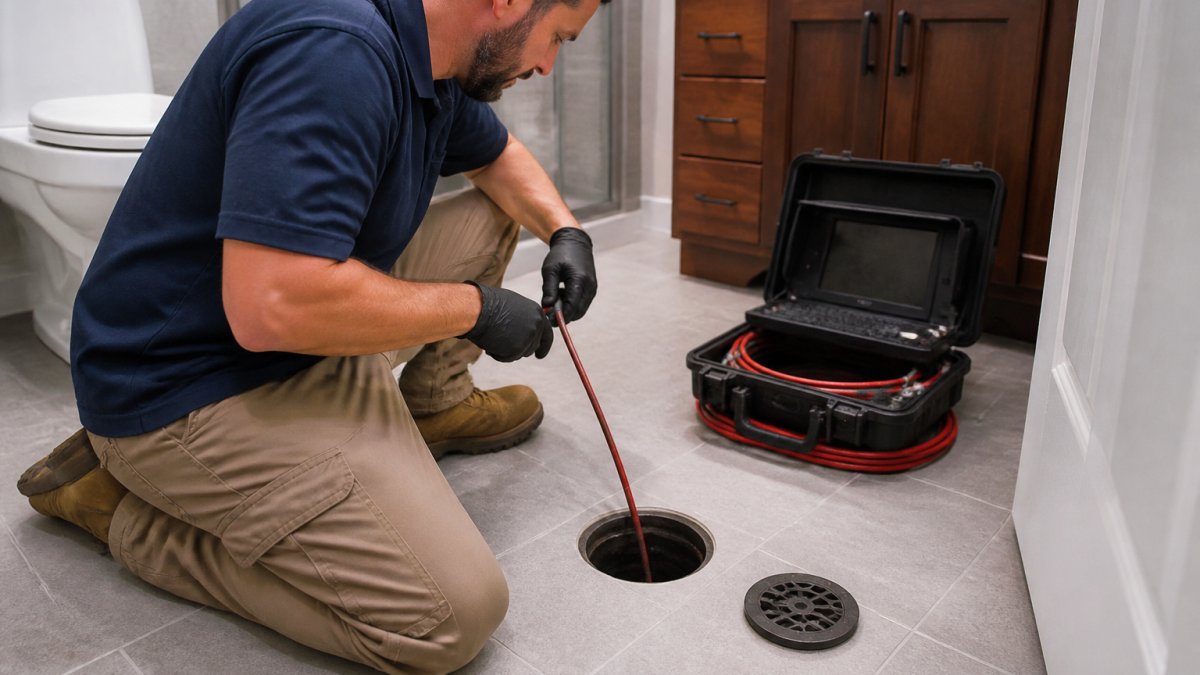
The operator moves the camera slowly through the line, documenting pipe material, condition, debris, blockages, cracks, root intrusion, and shifted or collapsed areas.
The whole process takes 30 minutes to a few hours depending on distance and what's found; a typical residential line from house to street runs 45 minutes to an hour. The camera navigates bends and sometimes travels uphill, though severely blocked or collapsed sections may stop it, which is itself valuable information.
Detecting Leaks, Blockages, Roots, and Structural Damage
Video pipe inspections reveal four major categories of problems. Each one shows up differently on the footage and demands a different response.
Hidden Leaks and Leak Location
A leak in a sewer line isn't always obvious from above ground. You might see a wet spot or a spike in your water bill, but pinpointing the leak requires digging unless you use video inspection. The camera shows cracks, broken joints, or holes where water is escaping, so your contractor digs exactly where the defect is instead of excavating the whole yard, saving thousands in digging and restoration.
Blockages, Debris, and Flow Impairment
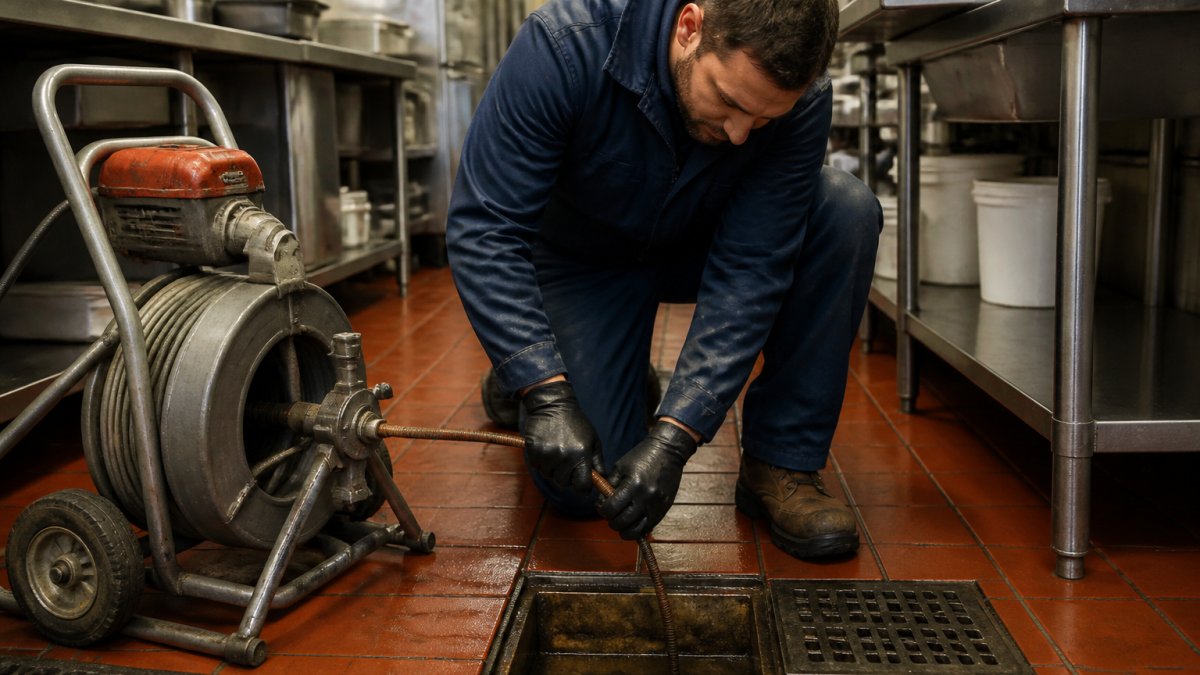
Blockages are the most common reason homeowners call a plumber. Video inspection shows exactly what's blocking the line: grease buildup, toilet paper, debris from a broken pipe, or objects that shouldn't be there. It also tells us whether simple jetting will clear it or the pipe is damaged underneath. Many blockages return because the underlying crack or misaligned joint was never addressed; video inspection prevents that cycle.
Root Intrusion and Corrosion
Tree roots seek moisture and penetrate even small cracks, causing significant damage over time. The camera shows roots hanging into the pipe or growing through cracks in the walls. Corrosion appears as rust, pitting, or deterioration, especially common in older cast iron or clay pipes. Knowing whether you have root intrusion versus a simple blockage changes your repair strategy entirely.
Cracks and Joint Damage
Cracks let water escape and roots enter, while misaligned or broken joints create gaps where debris collects and blockages form. The camera shows the exact location, length, and severity of each crack: a hairline crack might not need immediate repair, but a significant break does. The footage gives you a baseline for future comparisons and evidence for insurance claims or property transactions.
How to Read a Sewer Camera Inspection Report
A professional inspection report includes the video footage plus a written summary with still images marking key defects, identifying the pipe material, direction of flow, and distance from the access point to each defect.
Defects are rated by severity: a minor, stable crack might be noted but not require immediate action, while a collapsed section or severe root intrusion is flagged urgent. The report should also say whether the problem is localized or systemic, which matters for budgeting repairs.
Most reports include recommendations. A good one explains what each defect means for your system's future and what options exist to fix it, since some issues can wait and others need attention within months.
Sewer Line Inspection Duration and What to Expect
Most articles say an inspection takes 45 minutes to two hours and stop there.
Step 1: Locating and preparing the access point (10-20 minutes).
The technician finds the cleanout, typically a capped pipe in the yard, basement, or crawlspace.
Step 2: Clearing the line if needed (variable).
If a blockage stops the camera, the technician snakes or jets the line first, adding 30 minutes to over an hour depending on what's in there.
Step 3: Running the camera (20-60 minutes for a typical home).
Step 4: Documenting defects (overlaps with Step 3).
Step 5: Review and report (same day to a few days).
The technician reviews the footage, writes up findings, and delivers the video file plus a written summary identifying each defect, its location, severity, and a recommended next step.
What affects the timeline:
- Line length. A 100-foot residential lateral is quick. A 500-foot commercial run is not.
- Number of defects. A clean line moves fast. A line with a dozen documented problems takes longer to record properly.
- Access difficulty. A cleanout in a finished basement is easy. A cleanout buried under landscaping or behind a wall is not.
- Pipe condition. Severely deteriorated or collapsed sections may stop the camera, which ends the inspection early but is itself a finding.
What you should walk away with:
- The video file, not just a verbal summary
- A written report with still images of each defect
- Distances from the access point to each problem
- A severity assessment and recommended next steps
If a contractor won't provide the video and a written report, that's a red flag. The documentation is the deliverable, not a courtesy.
Understanding Sewer Camera Inspection Cost and Value
Most homeowners want a number before they book. Pricing depends on quantity, dates, and delivery, so we recommend contacting us for a quote.
What drives the cost:
- Line length and access. A short run from a basement cleanout is quick. A long lateral to the street, or a line with no accessible cleanout, takes more time and sometimes requires cutting one in.
- Whether the line needs to be cleared first. If a blockage stops the camera, the technician has to snake or jet the line before the inspection can proceed. That's a separate service and adds to the bill.
- Property type. A single-family home is one thing. A restaurant, apartment building, or commercial complex with multiple laterals and grease-laden lines is another.
- Report scope. A basic video file is one price point. A written report with still images, defect locations, and severity ratings takes more technician time.
- After-hours or emergency scheduling. Weekend and emergency calls carry a premium, same as any trade.
When an inspection is clearly worth it:
- Recurring clogs in the same spot. If you've snaked the same drain three times in two years, you're paying for the symptom, not the cause. One inspection usually reveals the crack, root, or misaligned joint behind the pattern.
- Before you approve a big repair. If you've been quoted pipe replacement or relining, the footage is your second opinion. It either confirms the scope or shows the problem is smaller than proposed.
- Buying or selling a property. Lenders and buyers increasingly expect sewer documentation on older homes. A clean report removes an objection; a bad one gives you negotiating room.
- Older pipes with no history. Cast iron, clay, and Orangeburg lines have known failure patterns. A baseline inspection tells you whether you're looking at years of life or months.
- After a repair. A post-repair inspection confirms the fix actually worked before the contractor packs up. This is cheap insurance and most reputable shops include or offer it.
When it may not be necessary:
If you have a single, first-time clog that clears easily and stays clear, you probably don't need a camera. If the line is brand new and under warranty, the installer's documentation may cover you. And if a line is completely collapsed and already being excavated, the camera adds little that the open trench won't show.
The value math is simple: an inspection costs a fraction of an emergency backup, a flooded basement, or an unnecessary excavation. The point isn't the fee, it's avoiding the four-figure surprise that the fee prevents.
When Video Inspection Prevents Costly Repairs
Video inspection is most valuable in three scenarios. First, with recurring problems like repeated clogs in the same spot, persistent slow drains, or sewage backups, the camera shows what's causing the cycle instead of treating symptoms. Second, before a major repair like pipe replacement or relining, the footage documents current condition and helps contractors plan the best approach. Third, when buying or selling property, it documents the sewer system's condition and protects both parties.
For older homes and buildings, video inspection often reveals the system is in better condition than feared, though it sometimes shows a line that seemed fine is deteriorating faster than expected. Either way, you decide based on facts instead of assumptions.
Inspection Limitations and Conditions That Affect Results
Video pipe inspections are powerful diagnostic tools, but they have real limits.
Weather affects inspections too: heavy rain fills lines with water, reducing visibility and making navigation harder, and frozen ground in winter complicates access. The best time is dry weather when the system isn't under stress.
The camera shows what's inside the pipe but cannot measure the structural strength of the walls or predict exactly when a weak section will fail. A severely corroded pipe might hold up for years or fail within months; the inspection documents condition but doesn't guarantee a timeline.
Despite these limits, video pipe inspection remains the most accurate, non-invasive way to diagnose sewer and drain problems. It answers the questions that matter most: What's wrong, where is it, and how urgent is it?
Frequently Asked Questions
How accurate are sewer camera inspections at finding the real problem?
Video pipe inspections provide direct visual confirmation of pipe condition. The camera travels through the sewer line and records high-resolution footage of cracks, blockages, root intrusion, corrosion, and other defects. Because you see the actual problem on screen rather than relying on guesswork, accuracy is high. The report documents exactly what's there, eliminating the guesswork that leads to unnecessary repairs or missed issues.
How long does a sewer line inspection take?
Sewer line inspection duration depends on pipe length, accessibility, and condition. A typical residential inspection of 100-150 feet takes 30 minutes to 1 hour. Longer lines or systems with multiple bends may take longer. The technician must move the camera carefully through the entire line to document all defects. Once complete, you receive a detailed report with video reference footage and repair recommendations.
What does a sewer camera inspection report tell you?
A sewer camera inspection report documents every defect found: location, severity, and type (cracks, roots, blockages, corrosion, etc.). It includes video timestamps so you can reference exactly where problems occur. The report prioritizes defects by urgency and recommends repair methods. This lets you understand what needs fixing now versus what can wait, and helps you plan repairs without unnecessary excavation or guesswork.
Is video pipe inspection worth the cost compared to just digging up the pipes?
Video inspection costs a fraction of excavation and eliminates unnecessary digging. By pinpointing the exact location and type of damage before any repair work begins, you avoid paying to excavate healthy sections of pipe. This targeted approach saves thousands in labor, restoration, and landscaping costs. For pre-purchase inspections, selling homes, or diagnosing recurring problems, the inspection investment pays for itself through informed decision-making.
If your drains are backing up, running slow, or you're planning a property sale, a video pipe inspection tells you exactly what you're dealing with. Jersey Shore Sewer & Drain Cleaning performs thorough inspections with detailed reporting and honest recommendations. We've been serving the area since 1990, and we stand behind our work with a commitment to getting it right the first time. Call the plumber now for a free quote and find out what's really happening in your pipes.