 how-to
How to Identify Main Sewer Clog: Step-by-Step Guide
Table of Contents
- Signs of a Main Sewer Line Clog
- How to Find Main Sewer Cleanout
- Common Causes of Main Sewer Line Blockages
- Sewer Line Video Inspection for Diagnosis
- Safety Protocols for DIY Inspection and Assessment
- How to Sanitize Drains After Sewer Backup
- When to Call a Professional Plumber
- Frequently Asked Questions
Last Updated: October 2, 2026
Signs of a Main Sewer Line Clog
To identify main sewer clog issues, understand that a main sewer clog is a blockage in the primary pipe that carries all wastewater from your home to the municipal sewer system or septic tank. Unlike a single drain clog, a main sewer line blockage affects your entire drainage system. Recognizing the early warning signs helps you catch the problem before it becomes an emergency.
The most telling indicators appear across multiple plumbing fixtures simultaneously. If your toilets, sinks, showers, and tubs all start acting up at the same time, you're likely dealing with a main line issue, not individual drain problems.
Multiple Slow-Running Drains Throughout Your Home
When water drains slowly from every fixture in your home, that's your first red flag. A main sewer line blockage restricts water flow from your entire house, causing water to back up into the pipes serving all your drains.
What to check:
- Does water pool in your shower or tub while you're using it?
- Do multiple drains drain slowly, not just one?
A single slow drain usually means that specific trap is clogged. Multiple slow drains point to a main line blockage.
Gurgling Sounds in Pipes and Plumbing Fixtures
Gurgling noises from your drains are a classic sign of a main sewer line clog. When a blockage restricts flow, water and air mix as they back up, creating distinctive gurgling or bubbling sounds as the drainage system tries to move water past the obstruction.
Where you'll notice it:
- Toilet gurgles when you run the shower
- Sink gurgles when you flush the toilet
If gurgling occurs when you use a different fixture, the problem is in the main line, not a localized clog.
Sewage Backup in Toilets, Tubs, or Showers
Sewage backup is the most serious sign and demands immediate attention. Raw sewage in your fixtures means the main line is completely or nearly completely blocked. This water contains harmful bacteria and pathogens that pose serious health risks.
What this looks like:
- Dark, foul-smelling water in toilets or tubs
- Sewage pooling in the shower or bathtub
- Waste coming back up through floor drains
Do not use any plumbing fixtures if you see sewage backup. Call a professional immediately.
Water Backing Up in Unexpected Fixtures
Sometimes water backs up into surprising places, a basement floor drain when you run the washing machine, or water pooling around a basement toilet. The blockage forces water to find alternate routes, backing up wherever it can.
Unexpected backup locations:
- Water appears in the basement floor drain
- Toilet overflows when you run the washing machine
- Water pools around the lowest fixtures in your home
These patterns indicate a blockage in the main line between your home and the municipal sewer connection.
How to Find Main Sewer Cleanout
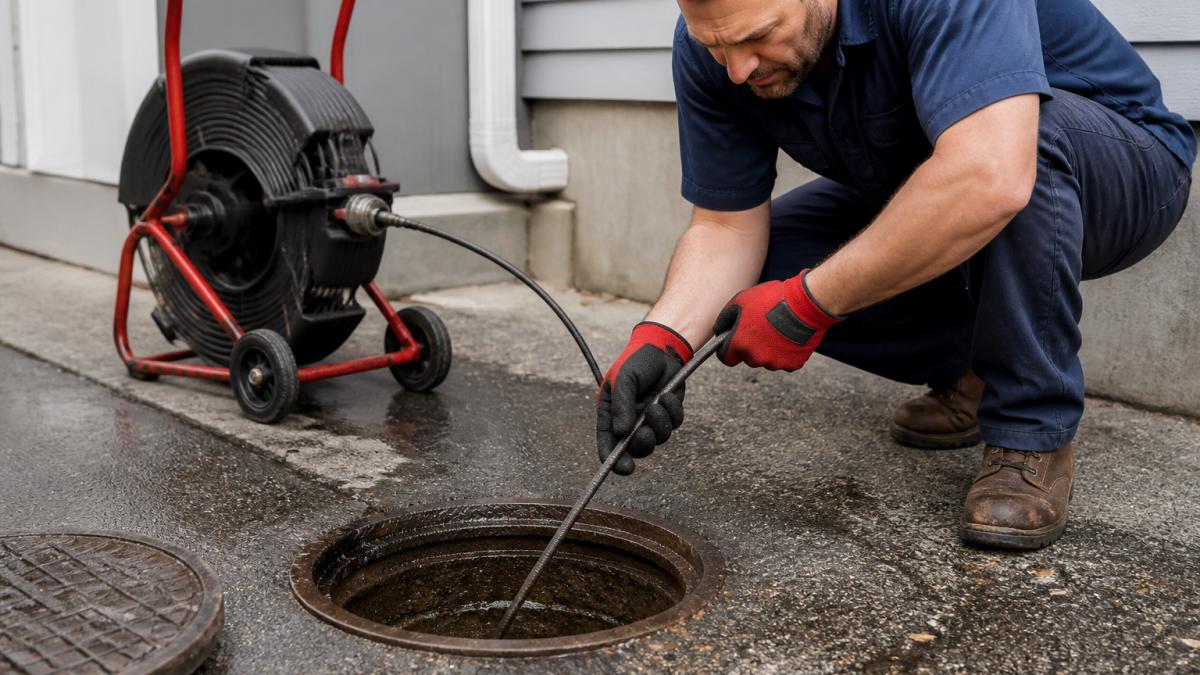
The cleanout is your access point to the main sewer line. A cleanout looks like a capped pipe, usually 4 to 6 inches in diameter, sticking a few inches above ground or flush with the surface. Finding your cleanout saves time and money when you need professional help.
Where Cleanouts Are Typically Located
Exterior cleanouts:
- Along the foundation line on the side or back of your home
- Near the property line where your sewer connects to the municipal system
- In the yard between your home and the street
Interior cleanouts:
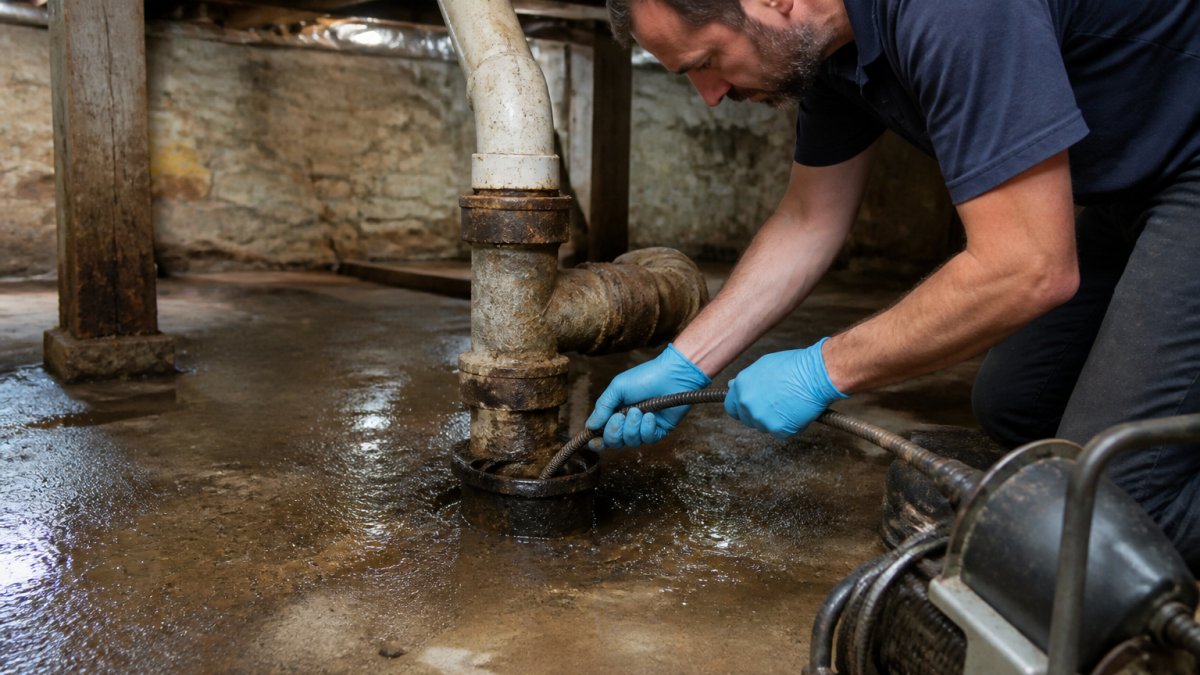
- In the basement near the main drain
- Under the kitchen sink
Most homes built after 1970 have at least one exterior cleanout. Older homes might have cleanouts in the basement or under the foundation.
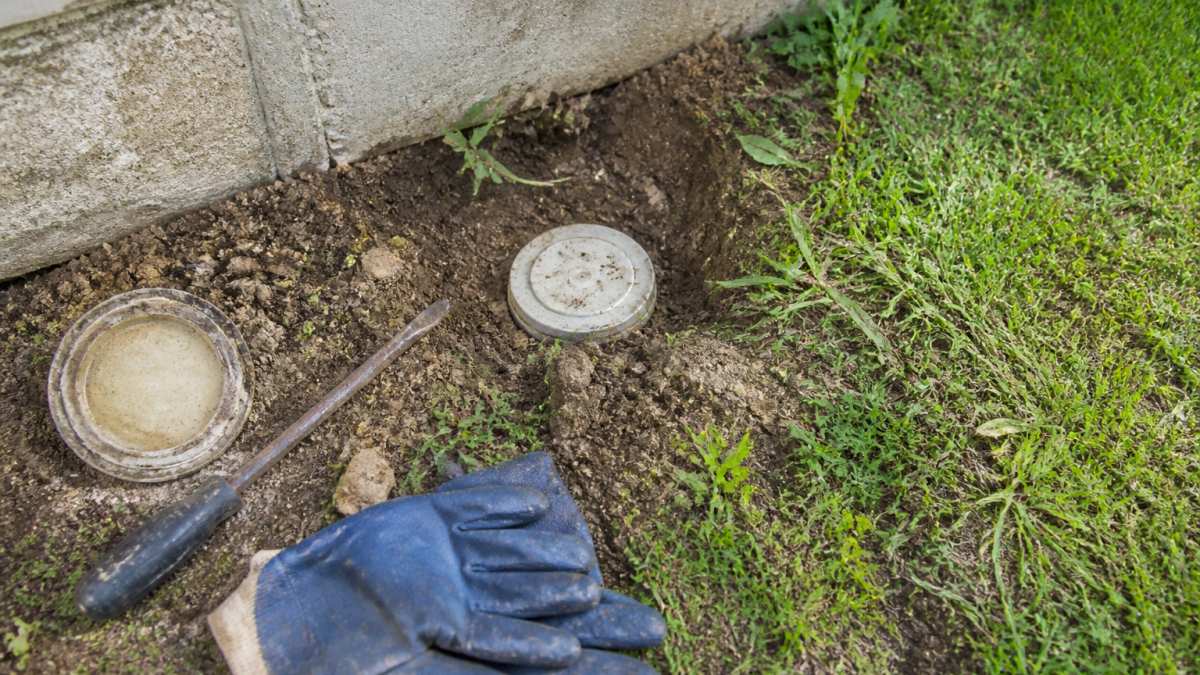
What to Look For When Searching
A cleanout cap is typically black or white PVC plastic, or brass or cast iron on older homes. Start near the foundation and work your way toward the street, looking for a pipe that comes straight up from the ground with a cap on top, not connected to gutters, downspouts, or visible drain lines.
Identification checklist:
- Diameter of 4 to 6 inches
- Cap sits flush with or slightly above ground
- Located between your home and the street
- Not connected to visible drain lines
If you can't find it, check your property survey or plumbing records. Professional plumbers locate cleanouts quickly using specialized equipment.
Common Causes of Main Sewer Line Blockages
Understanding what causes blockages helps you prevent future problems. Main sewer line clogs develop for several reasons, and knowing the cause determines the best solution.
Tree Roots and Vegetation Intrusion
Tree roots are the leading cause of main sewer line blockages. Roots invade through small cracks, joints, or gaps in the line, then grow and create a net-like blockage that traps debris and eventually blocks water flow completely.
Trees that cause problems: Willow (most aggressive), maple, oak, elm, poplar, and ash trees. Prevention means keeping trees and shrubs away from your sewer line. Professional video inspection reveals whether roots have invaded and prevents emergency backups.
Pipe Material Degradation and Age
Older pipes deteriorate over time. Clay pipes, cast iron, and early PVC can crack, collapse, or separate at the joints. Degraded pipes also allow soil to enter the line, which accumulates and combines with other debris to form blockages.
Pipe materials and their lifespans:
- Clay pipes: 50-60 years
- Cast iron: 75-100 years
- Concrete: 40-50 years
- PVC: 50+ years
Homes built before 1980 often have pipes nearing the end of their lifespan. Professional video inspection shows the actual condition of your pipes.
Grease, Debris, and Foreign Objects
Grease buildup is one of the most preventable causes of main sewer line clogs. Grease flows down drains as a liquid but solidifies as it cools, accumulating and combining with other debris. Food waste, hair, soap scum, wipes, feminine hygiene products, and diapers create stubborn blockages.
Common culprits:
- Cooking grease and oil
- Food waste from garbage disposals
- Hair from showers and sinks
- Soap scum buildup
- Dental floss
- Paper products (other than toilet paper)
- Tree leaves entering the system
Prevention is straightforward: don't put grease down drains. Use drain screens to catch hair and debris. Dispose of food waste properly. Only flush toilet paper.
Sewer Line Video Inspection for Diagnosis
Video inspection is the gold standard for diagnosing and helping you identify main sewer clog problems.
This technology eliminates guesswork. Instead of digging up your yard to find the problem, the camera shows it. You get a clear diagnosis before any repair work begins.
What video inspection reveals:
- Exact location of blockages
- Root intrusion severity
- Pipe cracks and damage
- Pipe material and age
- Debris accumulation
- Pipe collapse or misalignment
The inspection process is non-invasive and takes 30 minutes to an hour. A technician feeds the camera through your cleanout or a nearby access point.
Jersey Shore Sewer & Drain Cleaning uses advanced video inspection technology to diagnose main sewer line issues accurately.
Safety Protocols for DIY Inspection and Assessment
If you're considering a DIY inspection attempt, safety must come first. Sewer systems contain hazardous gases and harmful bacteria.
Never do this:
- Don't open a cleanout cap and look inside
- Don't put your hands or tools into an open cleanout
- Don't attempt to remove blockages yourself
- Don't enter confined spaces like crawl spaces or basements near the main drain
Sewer gases like hydrogen sulfide and methane accumulate in pipes. These gases are toxic and can cause serious injury or death.
Safe assessment steps:
- Observe drain behavior from a distance
- Document slow drains and backup locations
- Note when symptoms started
- Take photos of visible signs (gurgling, backup, wet spots)
- Call a professional for hands-on diagnosis
Your safety is more important than saving money on a service call. Professional plumbers have the training, equipment, and experience to work safely with sewer systems.
How to Sanitize Drains After Sewer Backup
If you've experienced sewage backup in your home, sanitization is critical. Raw sewage contains dangerous pathogens (the CDC). Proper cleaning prevents health hazards and protects your family.
Steps to sanitize affected areas:
- Ventilate the area thoroughly with open windows and fans
- Wear protective equipment: gloves, mask, and eye protection
- Clean all affected surfaces with hot water and detergent
- Disinfect with a bleach solution (1 part bleach to 10 parts water)
- Let the disinfectant sit for 10 minutes before rinsing
- Repeat the process for all contaminated areas
- Dispose of contaminated materials properly
- Wash your hands thoroughly after cleanup
Pay special attention to any items that came into contact with sewage. Porous materials like carpet, drywall, and upholstered furniture may need replacement. Hard surfaces like tile and concrete can be cleaned and disinfected.
Don't use your plumbing until the main sewer line blockage is cleared. Using drains with a blocked main line spreads contamination further. Professional repair comes first, then sanitization.
When to Call a Professional Plumber
Some plumbing problems you can handle yourself. A main sewer line clog is not one of them.
Call immediately if you notice:
- Sewage backup in any fixture
- Multiple drains backing up simultaneously
- Foul sewage odors in your home or yard
- Wet spots or sinkholes in your yard
- Gurgling sounds from multiple drains
Jersey Shore Sewer & Drain Cleaning responds to emergency calls 24/7.
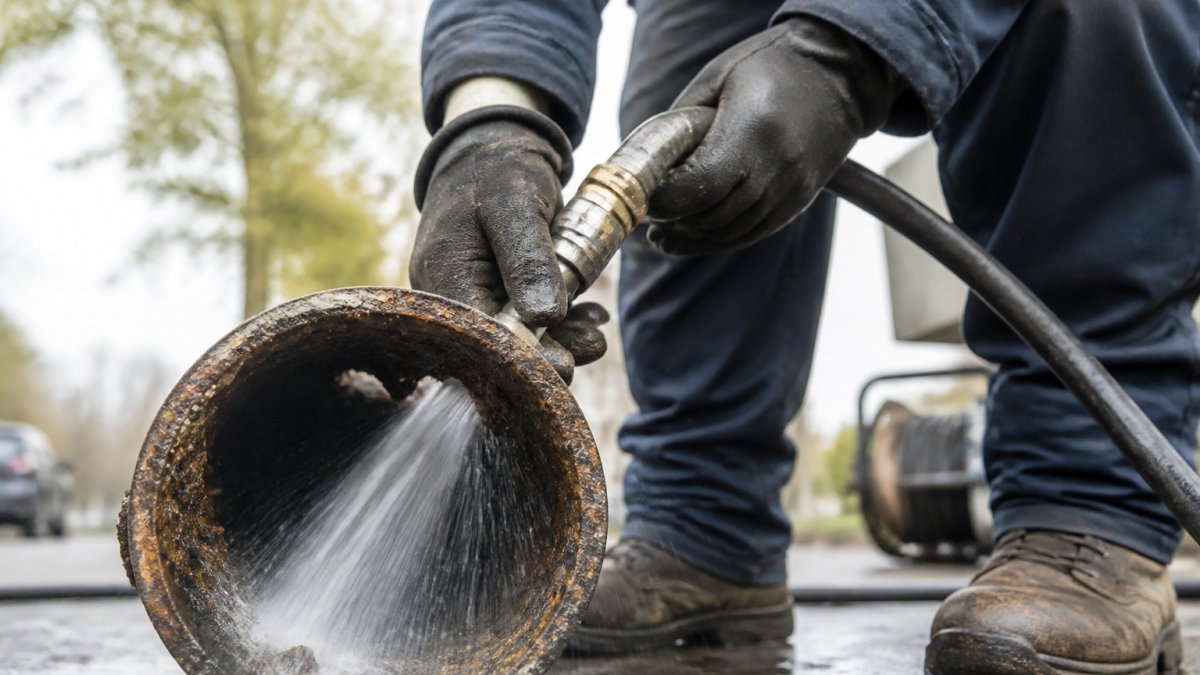
Professional plumbers have specialized equipment: drain snakes, hydro-jetting systems, and video cameras. They can clear blockages, remove tree roots, and repair damaged pipes.
Why professional service matters:
- Accurate diagnosis saves money on unnecessary repairs
- Proper equipment clears blockages completely
- Professional work comes with guarantees
- Licensed plumbers follow safety and health codes
- They handle hazardous materials safely
A main sewer line clog affects your entire home's drainage system.
| Symptom | What It Means | When to Call a Pro |
|---|---|---|
| Multiple slow drains | Blockage in main line | Within 24 hours |
| Gurgling sounds | Air trapped in pipes | Within 48 hours |
| Sewage backup | Complete or near blockage | Immediately |
| Wet spots in yard | Pipe leak or break | Within 24 hours |
| Foul odors | Gas escape or backup | Immediately |
Frequently Asked Questions
What are the early signs of a main sewer line backup?
Early signs include multiple slow drains throughout your home, gurgling sounds when using fixtures, and water pooling in unexpected places. If your lowest-level fixtures (basement toilet, shower, or drain) back up first, that's a strong indicator of a main sewer line issue rather than a localized clog. Act quickly, these symptoms worsen rapidly once a main line clog develops.
Can you clear a main sewer line clog yourself?
Most homeowners cannot safely or effectively clear a main sewer line clog without professional equipment. Main sewer clogs often involve tree roots, hardened debris, or structural damage that requires hydro-jetting or specialized tools. Attempting DIY removal risks damaging old pipes or spreading contaminated water. A professional video inspection first identifies the exact blockage location and cause, ensuring the right solution is applied.
Where is the main sewer cleanout located?
Main sewer cleanouts are typically found at the property line where your drainage system connects to the municipal sewer, usually in the front yard or along the foundation. Some homes have additional cleanouts in the basement or crawl space. The cap is usually 4 to 6 inches in diameter and made of plastic or metal. If you cannot locate it, a professional plumber can identify it and mark it for future reference.
How quickly can a professional sewer line inspection be done?
A sewer line video inspection typically takes 30 minutes to 2 hours, depending on the line length and accessibility. The camera travels through your pipes to identify blockages, cracks, or root intrusion. Results are available immediately, and you'll have a clear diagnosis of the problem and recommended solutions. Many plumbing services offer same-day appointments for urgent situations.