 how-to
Emergency Plumbing Services: When to Call & What to Do
Table of Contents
- What Counts as an Emergency Plumbing Situation
- When to Call an Emergency Plumber
- Immediate Steps to Take During a Plumbing Leak Emergency
- Recognizing and Responding to a Sewer Backup Emergency
- How to Choose a Licensed Emergency Plumber
- Understanding Emergency Plumbing Repair Cost and Pricing
- 24-Hour Service Availability and Response Times
- Frequently Asked Questions
Last Updated: October 9, 2026
What Counts as an Emergency Plumbing Situation
A plumbing emergency is any situation where water damage, sewage backup, or loss of essential service poses an immediate threat to your home or health, and emergency plumbing services are essential to prevent catastrophic damage.
At Jersey Shore Sewer & Drain Cleaning, we respond to emergencies across residential and commercial properties. The key distinction is urgency: a slow drip under the sink can wait, but a burst pipe flooding your basement cannot.
True emergencies include active water leaks that damage walls, floors, or belongings; complete loss of water supply; sewage backing up into your home; gas smells near water lines; or water heater failures in winter. These situations demand immediate professional intervention.
Some problems feel urgent but aren't. A running toilet, a slow drain, or a contained minor leak can usually wait until business hours. The difference between a minor repair and a major water damage claim often comes down to how quickly you act on genuine emergencies.
When to Call an Emergency Plumber
Call an emergency plumber the moment you discover an active spreading leak, complete loss of water pressure, sewage backing into your home, or any situation where water is actively damaging your property. Don't wait to see if it stops on its own.
Burst pipes are the most common winter emergency in older Jersey Shore homes.
Sewer backups demand urgent attention because sewage contains harmful bacteria and pathogens. Multiple drains backing up at once, raw sewage in your basement, or foul drain odors is a public health issue requiring professional remediation, not a DIY fix.
Water heater failures in cold months also warrant emergency service. Without hot water in winter, dropping temperatures can freeze pipes and cause bursts throughout your home within hours.
Gas odors near water lines or plumbing fixtures should always trigger an emergency call. Call your gas company first, then notify your emergency plumber to inspect the water system separately.
Immediate Steps to Take During a Plumbing Leak Emergency
Your first action during an active leak is to shut off the main water supply.
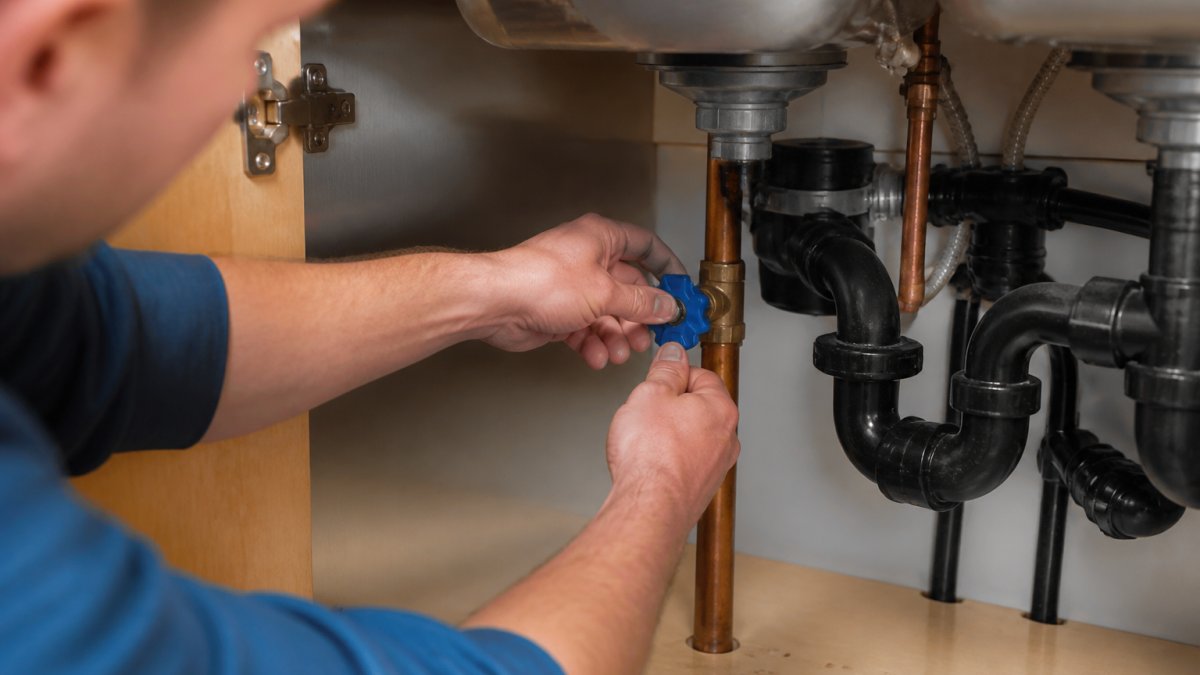
If you can't locate the main valve or it won't turn, shut off water at the meter, usually outside near the street or in a basement utility area.
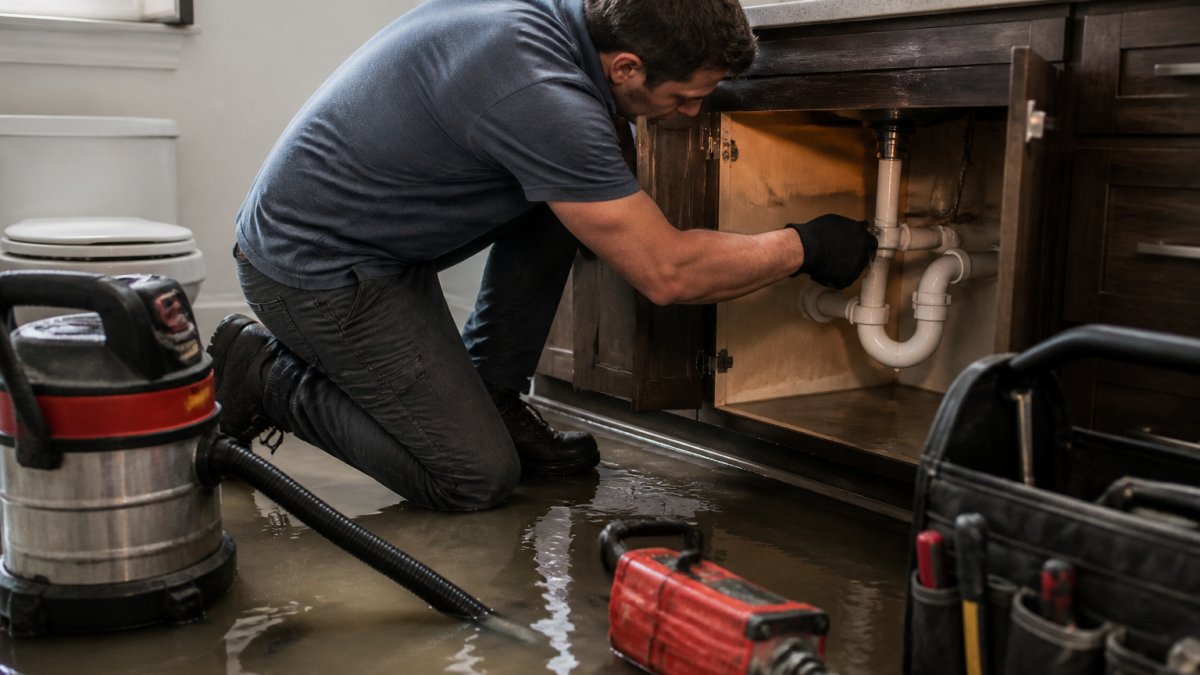
Move water away from electrical outlets and appliances using towels, buckets, or a wet vacuum. Never use a regular household vacuum, its electrical components create a shock hazard when wet.
Call Jersey Shore Sewer & Drain Cleaning or another licensed emergency plumber immediately with your address and a description of what's leaking and where, so they can dispatch the right equipment.
Open cabinet doors under sinks to reduce moisture buildup.
Recognizing and Responding to a Sewer Backup Emergency
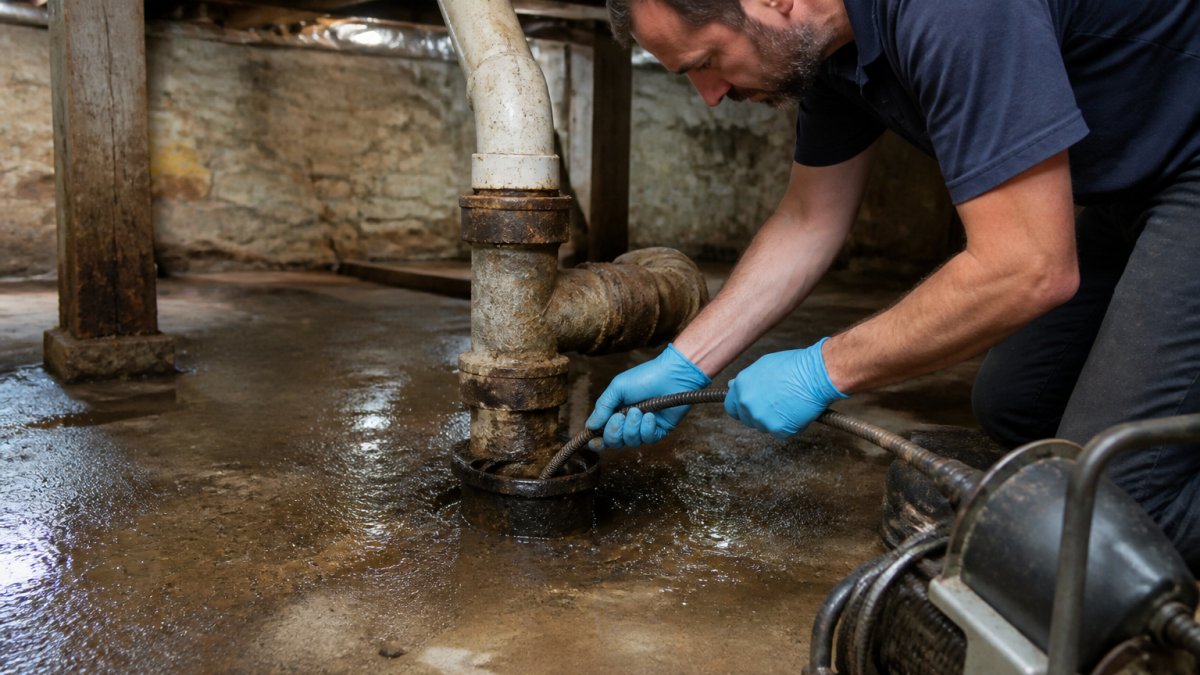
Sewer backups are distinct from regular drain clogs. Multiple drains backing up at once, toilets, showers, and sinks draining slowly or not at all, signals a main sewer line problem, not individual fixture issues.
Raw sewage in your lowest-level fixtures (basement toilet, shower, or floor drain) is a clear sewer backup and a biohazard.
Foul odors from drains, yard, or foundation areas often precede visible sewage backup, indicating gases escaping from a blocked or damaged line. Tree roots are the most common cause in older Jersey Shore neighborhoods built over decades-old clay pipe systems.
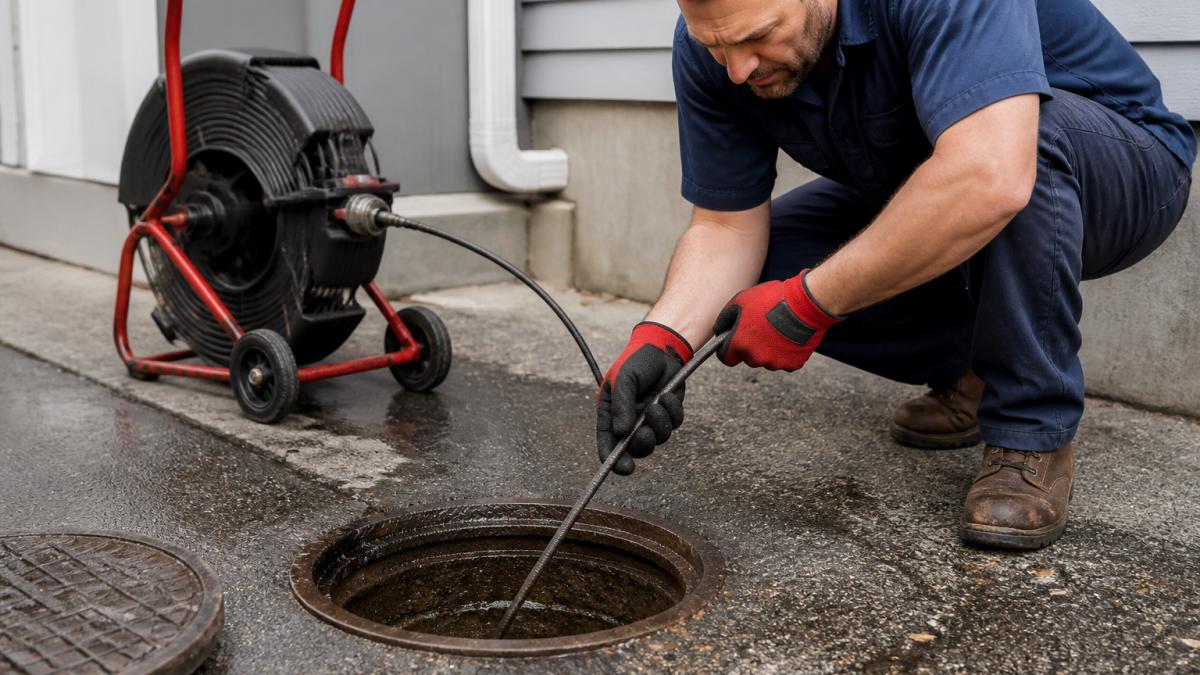
When you suspect a sewer backup, call an emergency plumber immediately. Don't use plungers or chemical drain cleaners, these can worsen the backup or rupture damaged pipes. Professional video inspection identifies the exact problem before repair work begins.
Minimize water use until the sewer line is cleared, every gallon down a drain worsens the backup. Avoid laundry, dishwashing, or bathing until the line is restored.
How to Choose a Licensed Emergency Plumber
Not all plumbers advertising emergency service are equally qualified, and your choice during a crisis affects both the repair outcome and your final bill. Vet a plumber before you need one, so a trusted number is saved in your phone when panic sets in.
Verify the license, don't just ask about it
Plumbing work requires a license, and unlicensed work can void your homeowner's insurance coverage for the resulting damage. Rather than accepting a verbal "yes, we're licensed," ask for the license number and look it up through your state's licensing database or local building department. A legitimate emergency plumber will hand it over without hesitation.
Confirm insurance, including workers' compensation
Ask for a certificate of insurance showing general liability and workers' compensation. General liability protects your home if the plumber damages it; workers' compensation protects you if a technician is injured on your property. If a company can't produce a certificate, that's a red flag.
Match the plumber to the problem
A technician excellent at clearing a kitchen sink clog may not be equipped for a main sewer line backup or hydro jetting job. Ask whether they handle your type of emergency and what equipment they carry. For recurring sewer problems, ask whether they use video camera inspection to locate the actual cause rather than simply rodding the line and hoping it holds.
Get a written estimate before work begins
Reputable emergency plumbers explain what they're charging for and put it in writing. Be cautious of anyone quoting a firm price over the phone without inspecting the problem or pressuring you to pay in full before work is described. A written estimate should separate the service call fee, labor, and materials.
Read reviews with a critical eye
Look for patterns rather than single reviews. Do customers consistently mention on-time arrival, clean work areas, and clear pricing? Do negative reviews repeat the same problem, no-shows, surprise charges, or failed repairs? Cross-check across platforms, and be skeptical of a wall of five-star reviews posted within a short window.
Confirm they actually serve your town
Emergency response is a coverage question as much as a quality question. A plumber based an hour inland may accept your call but arrive long after the damage has spread. Confirm the company services your specific community and ask their realistic arrival window for your address.
Questions to ask before you authorize work
- Are you licensed, and what is your license number?
- Can you provide a certificate of insurance?
- What is the service call or diagnostic fee, and does it apply toward the repair?
- Is there an after-hours, weekend, or holiday surcharge?
- Will I receive a written estimate before work starts?
- Do you use video inspection for sewer and drain problems?
- What is your warranty on parts and labor?
A plumber who answers these questions clearly and without defensiveness is far more likely to treat your home and your wallet with respect.
Understanding Emergency Plumbing Repair Cost and Pricing
Emergency plumbing costs more than routine service because of after-hours availability, rapid dispatch, and the complexity of sudden problems. Understanding the pricing structure lets you make a clear-headed decision.
The service call or diagnostic fee
Most emergency plumbers charge a service call fee to come out and diagnose the problem. Policies vary: some apply it toward the repair, some waive it when you proceed, and some charge it separately. Ask which policy applies before you agree to the visit.
After-hours, weekend, and holiday surcharges
Labor rates for emergency service run higher than standard business hours because the company keeps technicians available around the clock. Expect the highest rates for late-night, weekend, and holiday calls; some companies charge a flat emergency rate, others tier by time of day. Knowing the structure tells you whether waiting until morning is worth the risk.
How the repair itself is priced
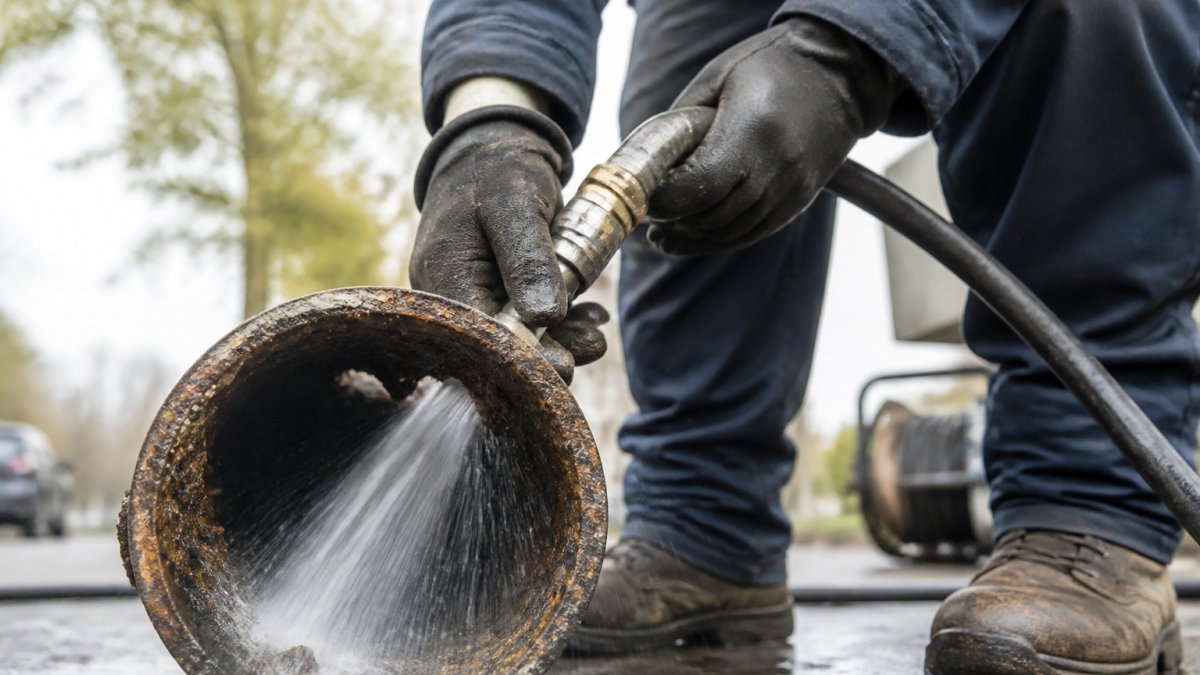
The repair is billed separately from the service call and labor. Simple fixture repairs cost far less than major work like sewer line replacement or hydro jetting, driven by the parts involved and the time the job takes. Replacing a shut-off valve is short; repairing a collapsed sewer line under a driveway is not.
Why diagnosis changes the price
A plumber who guesses at the cause may sell you a repair that doesn't fix the problem, and you'll pay twice. Video camera inspection identifies the actual cause, root intrusion, a bellied section, an offset joint, or a blockage, before any repair is quoted.
What a transparent estimate looks like
A detailed estimate breaks the job into its parts:
- Service call or diagnostic fee
- Labor, including any after-hours rate
- Materials and parts
- Equipment charges, such as hydro jetting or camera inspection
- Any permit fees, if the work requires one
Ask for this breakdown in writing before you authorize work. A plumber who can't or won't itemize is a plumber you should think twice about.
Questions to ask before you say yes
- What is the total cost, and what does it include?
- Is the diagnostic fee credited toward the repair?
- Is there an after-hours or holiday surcharge, and how much?
- Are parts and labor warrantied, and for how long?
- Will you provide a written estimate before starting?
- If the problem turns out to be something else, how is the price adjusted?
Protecting yourself on the bill
Keep a copy of the written estimate, final invoice, and warranty terms. If the final bill exceeds the estimate, ask for an itemized explanation before paying. For covered losses, save photos of the damage and failed component alongside receipts, a clear paper trail makes an insurance claim far easier to file and defend.
24-Hour Service Availability and Response Times
True emergency plumbing services operate around the clock, not just extended hours. A plumber who answers at 3 a.m. and dispatches a technician within the hour provides the response time that prevents catastrophic damage.
Response time varies by location and call volume. Ask your plumber their typical response time and whether they guarantee a specific window.
Some emergency plumbers operate only in specific service areas and may refuse calls outside their territory. Ask whether they service your address before an emergency occurs.
When you call an emergency plumber, have your address, phone number, and a clear description of the problem ready.
Ask whether the plumber charges extra for night, weekend, or holiday calls. Some charge flat emergency rates; others tier by time of day. Knowing this in advance prevents sticker shock when the bill arrives.
When a plumbing emergency strikes, your response in those first few minutes determines whether you contain the damage or face significant restoration costs.
Frequently Asked Questions
When should I call an emergency plumber instead of waiting for regular service?
Call an emergency plumber immediately if you have active water leaks, sewage backups, burst pipes, or no hot water in winter. Any situation where water is actively damaging your property or creating health hazards requires urgent attention. If the problem can wait until business hours without risk of further damage, standard service may be appropriate, but when in doubt, contact a licensed plumber to assess the situation.
What should I do while waiting for an emergency plumber to arrive?
Shut off the main water valve if there is active water flow. Use towels or a bucket to contain water and prevent spreading. For sewage backups, avoid using drains, toilets, or running water. Document the problem with photos for insurance purposes. Clear the work area of obstacles so the plumber can access the problem quickly. Stay available to meet the technician and describe what happened before they arrived.
How much does an emergency plumbing repair typically cost?
Emergency plumbing repair costs depend on the type of problem, severity, time of day, and complexity of the fix. After-hours and weekend calls often include higher service fees than standard business hours. The best way to understand pricing is to contact a licensed plumber for a free estimate. They can assess your specific situation and provide transparent pricing before work begins.
Is a clogged drain considered a plumbing emergency?
A single slow drain is usually not an emergency and can often wait for standard service. However, multiple drains backing up simultaneously, sewage odors, or a completely blocked drain affecting your home's function should be treated urgently. If a clog is causing water damage or preventing essential use of bathrooms or kitchens, call for emergency service immediately.