 how-to
Is Cured in Place Pipe Lining Worth It for Your Home?
Last Updated: October 25, 2026
Quick Summary
Cured in place pipe lining is worth it when your sewer line is still structurally sound, the damage is contained, and you plan to stay in the home long enough to recover the cost. It stops being worth it when the pipe has collapsed, bellied, or lost too much of its inner diameter.
- Residential lining runs about $80 to $250 per linear foot, or roughly $5,000 to $15,000 for a full project.
- Lining is not recommended when the existing pipe isn't structurally sound enough to hold a liner.
- Choose lining when the pipe is cracked but intact; choose bursting when it has collapsed or is undersized.
- Ask contractors to itemize cleaning, connection reinstatement, and final camera verification on the written quote.
- A properly installed liner is expected to serve for decades when the host pipe is stable.
Table of Contents
- How to Tell If Cured in Place Pipe Lining Is Worth It
- What Cured in Place Pipe Lining Is and How the Process Works
- CIPP Pipe Lining Pros and Cons
- CIPP Pipe Lining Cost and What Drives the Price
- CIPP Lining Lifespan and What Affects It
- Sewer Lining vs. Pipe Bursting: Which Fits Your Pipe
- When Lining Is Not Recommended
- Book a Camera Inspection Before You Decide
- Frequently Asked Questions
How to Tell If Cured in Place Pipe Lining Is Worth It
Here's the honest math. Residential lining runs about $80 to $250 per linear foot, or roughly $5,000 to $15,000 for a full project, according to NuFlow's 2026 cost estimates.
At Jersey Shore Sewer & Drain Cleaning, we've walked homeowners through this decision for decades. The answer almost never comes down to price alone.
Below, we'll show you exactly how to judge whether lining fits your pipe, what drives the price, and the conditions that should send you looking at other options.
What Cured in Place Pipe Lining Is and How the Process Works
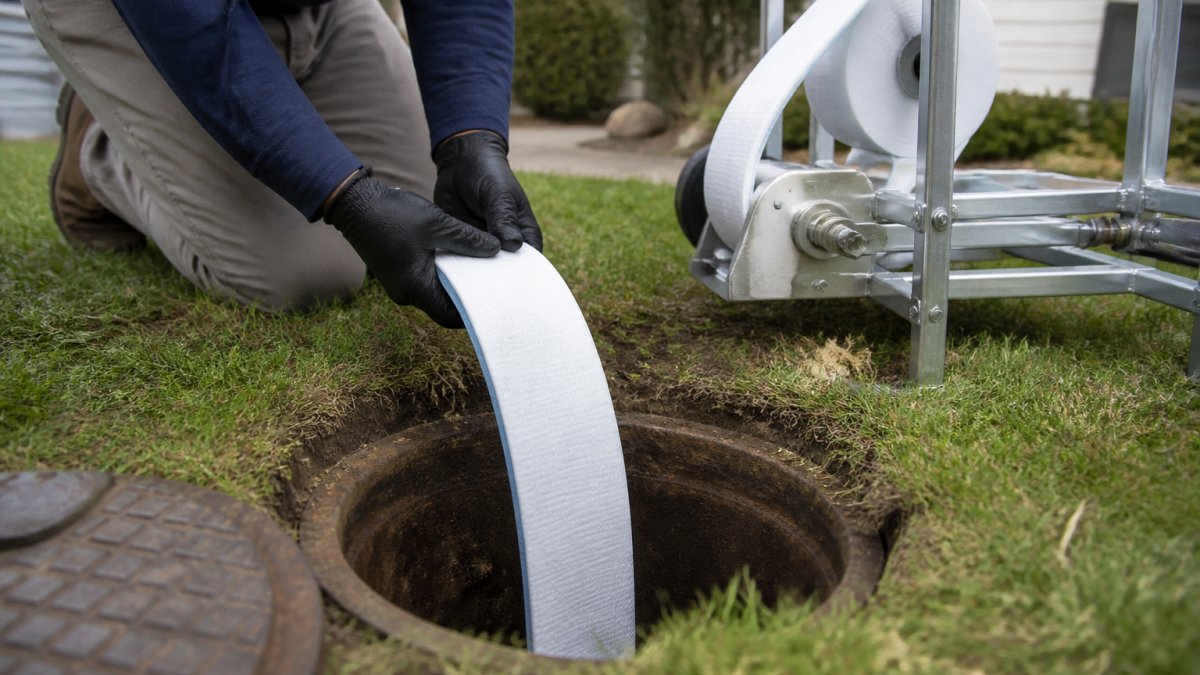
Cured in place pipe lining (CIPP) is a trenchless repair method where a resin-saturated liner is inserted into an existing pipe and cured in place to form a new, jointless inner wall. No digging, no excavation, no torn-up yard.
The process follows a clear sequence:
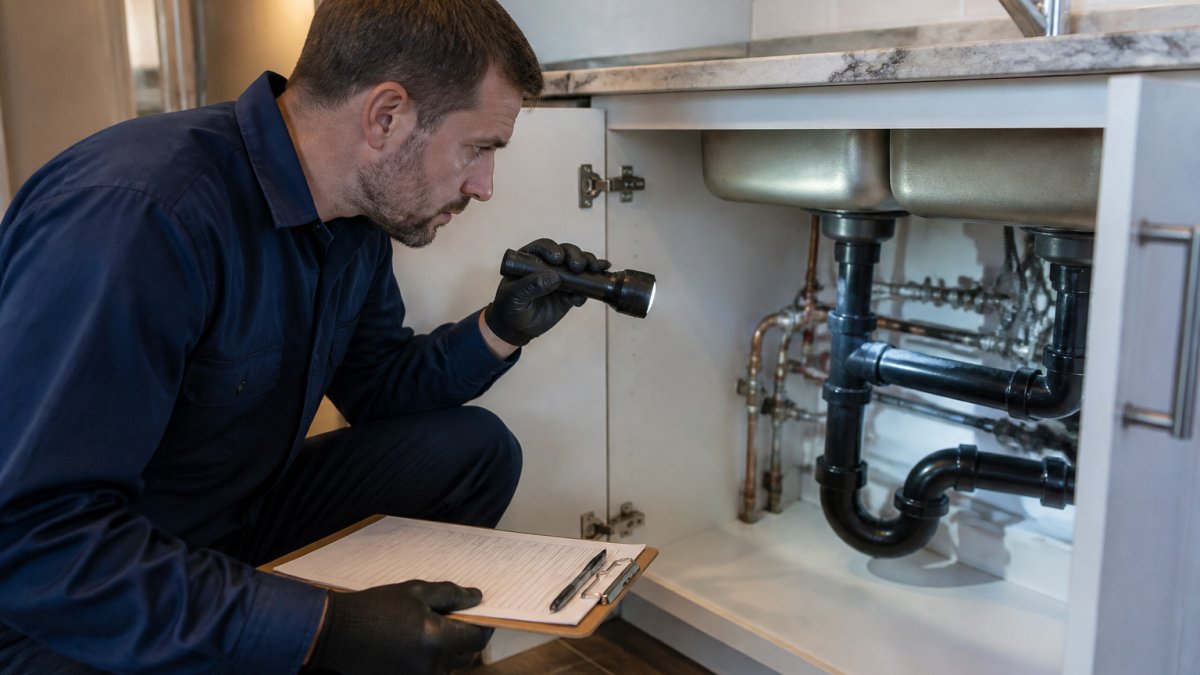
- Camera inspection to map the damage and confirm the pipe can hold a liner
- Cleaning to strip roots, grease, and scale from the pipe wall
- Liner insertion through an existing access point
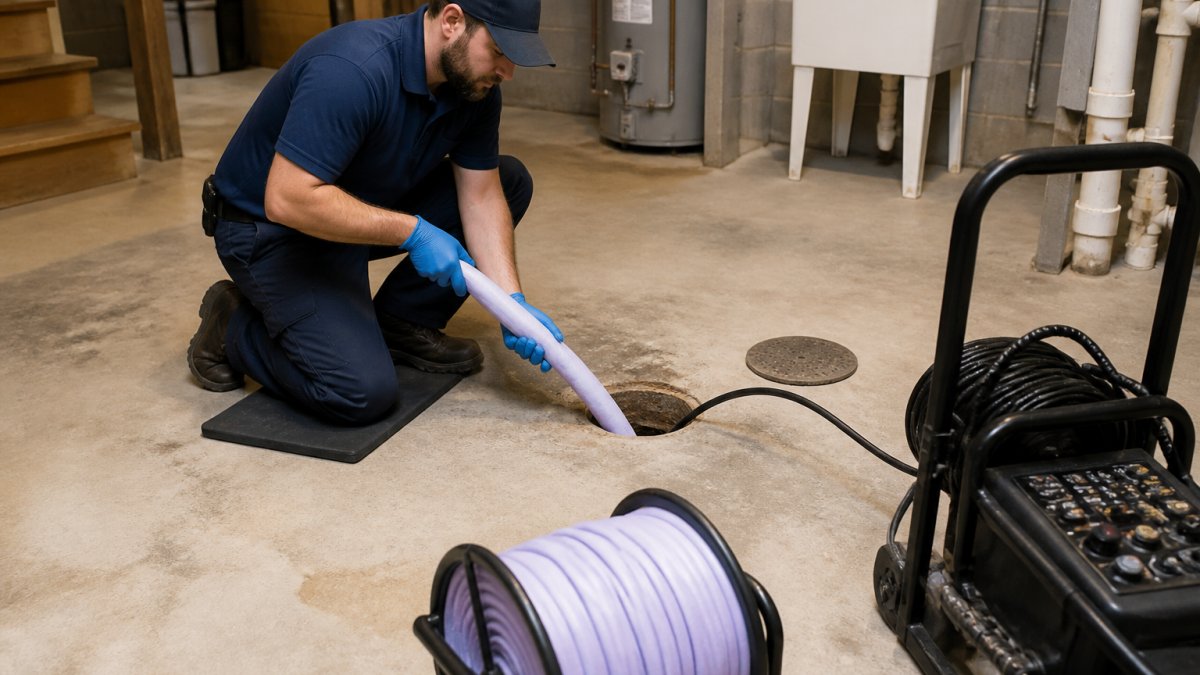
From Camera Inspection to Cured Liner
Everything hinges on that first camera run. A good inspection shows the pipe's material, the size of any cracks, whether joints have separated, and how much root intrusion you're dealing with.
For a closer look at why this step matters, see our guide on the benefits of video pipe inspections.
CIPP Pipe Lining Pros and Cons
The CIPP pipe lining pros and cons come down to one trade-off: you get a fast, trenchless fix, but only if the pipe qualifies and only if the install is done correctly.
Pros:
- No excavation, so lawns, driveways, and floors stay intact
- Seals cracks, joint separation, and root intrusion in one pass
- Installs in hours or days, not weeks
Cons:
- Not suitable for collapsed or badly misaligned pipes
- Reduces internal diameter slightly, which can matter on small lines
- Requires proper curing to perform as designed
That last cluster is not theoretical. A 2023 study in ScienceDirect noted that some rehabilitation projects have shown deficiencies in predicted liner performance, which is why curing method and installer skill matter so much.
Curing Methods and Why They Matter to You
CIPP liners harden by one of three routes, and the choice affects schedule, odor, and how the liner performs:
- Heat or steam curing. Fast and common on residential laterals. The liner cures in a controlled window, which shortens the time your service is out of commission. It requires curing equipment on site.
- Ambient air curing. Slower, simpler setup, and often used where equipment access is tight. The trade-off is a longer window before the liner reaches full strength.
- UV curing. Uses light to cure the liner, with tight process control. Less common on small residential lines but used where consistent cure is a priority.
Ask which method the contractor plans to use and how cure is verified.
Odors, Resin, and Health Precautions
Resin has a strong styrene odor, and the smell can travel through the plumbing into the home during and after installation. Most contractors manage this by:
- Sealing or covering drains and fixtures before work begins
- Running ventilation during curing
- Advising occupants, especially those with respiratory sensitivity, to stay out of affected areas during the cure window
Ask the contractor what ventilation and sealing steps they take, and how long they expect odor to linger. A crew that has done this repeatedly will have a standard answer.
Access Restrictions During Installation
Lining is trenchless, but it is not invisible. Expect:
- Water service to the affected line shut off for part of the day
- Fixtures in the path, toilets, floor drains, temporarily out of service
- Limited access to the work area while equipment is set up
These are short, but they are real, and they should be on the schedule the contractor gives you before work starts.
Quality Control: What Separates a Good Install From a Bad One
The steps that determine whether a liner lasts are mostly invisible after the job is done. Insist on seeing them documented:
- Pre-installation cleaning verification, a camera run after cleaning, before the liner goes in
- Cure verification, the contractor's method for confirming the resin reached full strength
- Post-installation camera inspection, a final run confirming the liner seated, connections were reopened, and flow is restored
If you are comparing contractors, our guide on finding reliable sewer repair covers how to vet a provider before you sign.
CIPP Pipe Lining Cost and What Drives the Price
CIPP pipe lining cost depends on four things: pipe length, pipe diameter, access difficulty, and the condition of the line. A short sectional repair costs far less than lining a full run from manhole to manhole. Most homeowners get a single lump-sum quote and never see how those four variables were priced, which makes it hard to tell whether the number is fair or whether a different repair would cost less.
Here is how to read a lining quote line by line.
What Is Actually on a CIPP Quote
A typical residential lining estimate is built from these components:
- Camera inspection and cleaning, usually billed separately or bundled as a mobilization fee. Cleaning is not optional; a liner will not bond to a greasy or root-filled wall.
- Liner material and resin, priced by the linear foot and scaled by diameter. A 4-inch lateral uses far less material than a 6-inch main.
- Access and setup, how the liner gets to the pipe. A clean-out in the yard is cheap access; pulling a toilet or cutting a basement floor is not.
When one quote is dramatically lower than another, the difference is usually in cleaning, connection reinstatement, or the final inspection, the steps that are invisible after the job is done.
Upfront Cost Across the Four Real Options
Broad per-foot ranges are useful only as a starting point. The more useful comparison is what each option includes and what it leaves you to pay for later.
| Option | Typical upfront scope | What it does not cover |
|---|---|---|
| Spot / sectional repair | One damaged joint or crack | The rest of the pipe, which may fail next |
| CIPP lining (full run) | Cleaning, liner, curing, connection reinstatement, final camera | Collapsed or bellied sections, which disqualify the pipe |
| Pipe bursting | New pipe pulled through, excavation pits at both ends | Restoration of the pits and any landscaping disturbed |
| Excavation and replacement | New pipe, full trench | Driveway, sidewalk, floor, or landscape restoration |
The upfront number on a lining quote is usually higher than a spot repair and lower than full replacement. The reason lining often wins is not the sticker price, it is what you avoid paying for afterward.
The Lifecycle Math Homeowners Should Run
A fair comparison adds three costs to the upfront price: restoration, disruption, and expected service life.
- Restoration. Lining leaves the yard, driveway, and basement floor intact. Replacement and, to a lesser degree, pipe bursting require patching concrete, replacing sod, or redoing a driveway. Those costs are real and are rarely in the first quote you receive.
- Disruption. Lining is measured in hours or days. Replacement is measured in weeks, and the trench has to be open the whole time.
- Service life. A properly installed liner is expected to serve for decades. Replacement resets the clock entirely, which matters if the rest of the pipe is also near the end of its life.
If the host pipe is sound and the damage is contained, lining's lower restoration and disruption costs can be a significant advantage. If the pipe is collapsed, bellied, or undersized, replacement may be the more suitable option.
The market is growing for a reason. According to Fortune Business Insights' 2026 projection, the global trenchless pipe rehabilitation market is set to grow from $5.19 billion in 2026 to $7.7 billion by 2034. Growth in the category does not tell you whether lining is right for your pipe, the itemized quote and the camera findings do.
CIPP Lining Lifespan and What Affects It
CIPP lining lifespan typically runs several decades when the liner is properly cured and the host pipe is stable. Three things shorten it: poor cleaning before installation, water intrusion during curing, and heavy root pressure left unaddressed.
Older homes face more of these risks. If your property has a history of backups, our guide on preventing sewage backups in older homes covers the warning signs worth checking before you commit to any repair.
Sewer Lining vs. Pipe Bursting: Which Fits Your Pipe
Sewer lining vs. pipe bursting is really a question about pipe condition. Lining reinforces the existing pipe.
Choose lining when the pipe is cracked but intact. Choose bursting when the pipe has collapsed or is undersized and needs replacing outright.
If you're weighing high-pressure alternatives on aging lines, our piece on whether hydro jetting is safe for old pipes explains what's safe and what isn't.
When Lining Is Not Recommended
Lining is not recommended when the existing pipe isn't structurally sound enough to hold a liner.
Watch out: pushing a liner into a collapsed or bellied pipe can leave you with a failed install and a bill for two repairs.
Charlotte Pipe also flags application risks of CIPP lining in sanitary and storm applications.
If lining isn't right for your pipe, our guide on finding reliable sewer repair walks through how to vet a provider.
Book a Camera Inspection Before You Decide
You can't answer "is cured in place pipe lining worth it" from a phone call.
That inspection tells you the pipe material, the damage type, and whether a liner will bond and hold.
At Jersey Shore Sewer & Drain Cleaning, we've served homeowners and property managers since 1990.
Wondering what that inspection will run you? Our breakdown of sewer camera inspection cost covers it.
Frequently Asked Questions
Is cured in place pipe lining worth the cost?
It depends on the pipe's condition. Residential CIPP lining is reported to cost about $80 to $250 per linear foot for 4 to 6-inch lines, or roughly $5,000 to $15,000 for a full project, according to 2026 NuFlow estimates. Lining is worth it when the pipe is still structurally sound and the damage is cracks, joint separation, or root intrusion. If the pipe has collapsed or is badly misaligned, replacement or pipe bursting is the better use of the money.
What are the disadvantages of CIPP pipe lining?
The liner reduces the pipe's internal diameter, which can cut flow capacity in smaller lines. It also cannot fix a pipe that has lost its structural shape. Curing method matters too: hot-water and steam curing must be controlled carefully, and contractor workmanship and inspection matter.
How long does CIPP lining last?
CIPP lining lifespan depends on the resin, the host pipe, and how well the liner was installed and cured. In practice, the liner is designed to bond to a cleaned, structurally sound host pipe, so the inspection and surface prep before installation do as much for longevity as the material itself.
Is sewer lining cheaper than pipe bursting?
Sewer lining usually costs less per project because it needs fewer access points and less excavation than pipe bursting, which pulls a new pipe through the old one and requires entry and exit pits. Lining also preserves the existing line's path. Pipe bursting wins when the old pipe is collapsed or undersized, since it replaces the pipe outright. Ask for both quotes after a camera inspection so you compare the same scope.
A failed sewer line doesn't wait for a convenient week. If you're facing cracks, roots, or repeat backups, get the facts before you spend a dollar on repair. Jersey Shore Sewer & Drain Cleaning offers same-day appointments, 24/7 emergency service, and honest recommendations backed by camera evidence. Get started with Jersey Shore Sewer & Drain Cleaning and find out exactly what your pipe needs.