 how-to
7 Plumbing Fixes to Make Before Selling Your Home
Last Updated: November 4, 2026
Quick Summary
Make plumbing fixes before selling by walking through your home and prioritizing active leaks, water heater condition, drain performance, and fixture condition. Fix visible problems like dripping faucets, running toilets, slow drains, and under-sink leaks, and disclose larger issues such as sewer line work or repiping rather than rushing them.
- Check the water meter with every fixture off; a moving dial means water is escaping somewhere.
- Note the water heater's date sticker and look for rust streaks or moisture at the base.
- Replace a dripping faucet's cartridge or washer and swap a running toilet's flapper or fill valve.
- Skip repairs needing permits or excavation, like sewer line work and whole-house repiping, and disclose them instead.
- Keep walkthrough notes, repair estimates, and invoices as documentation of what you knew and when.
Table of Contents
- Start With a Pre-Listing Plumbing Walkthrough
- Plumbing Repairs Before Home Inspection: The Fix-Now List
- What Not to Fix Before Selling Your House
- Home Plumbing Inspection Before Selling: What Buyers and Lenders Look For
- Selling a House With Plumbing Problems: Repair, Credit, or As-Is
- Handle Inspection Findings and Get Repair Documentation
- Book a Pre-Listing Sewer and Drain Inspection
- Frequently Asked Questions
Start With a Pre-Listing Plumbing Walkthrough
The cheapest plumbing fixes are the ones you find before a buyer does. A slow drain or a dripping faucet that costs little to repair now can turn into a negotiation chip later.
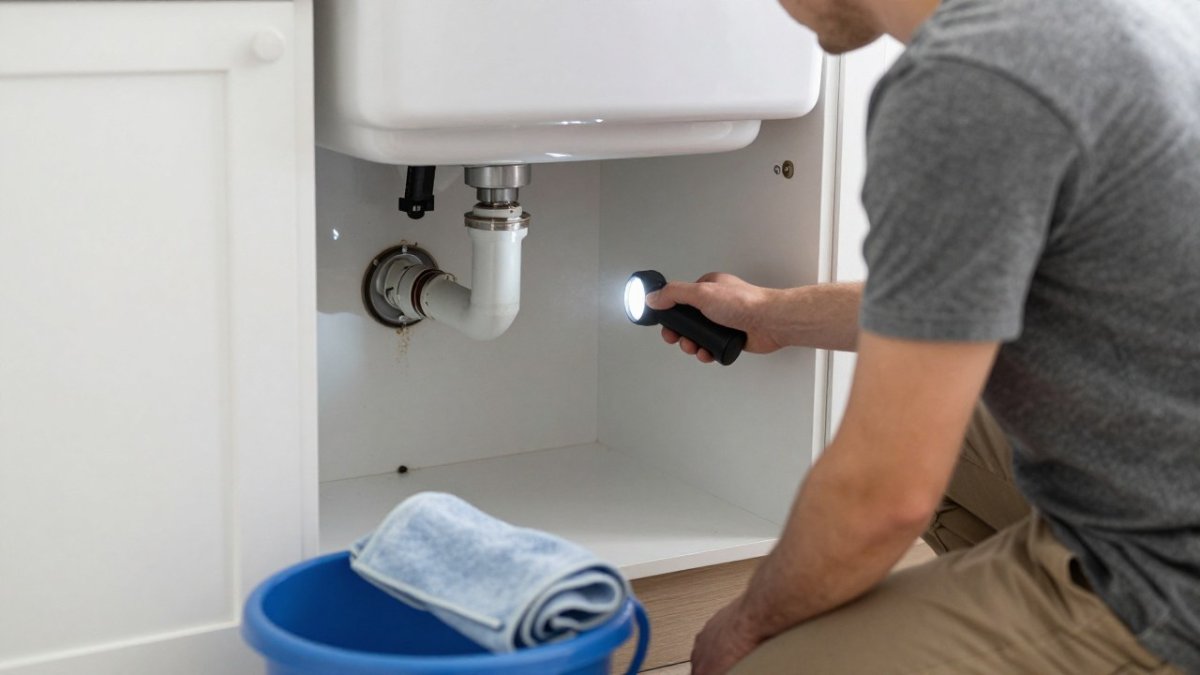
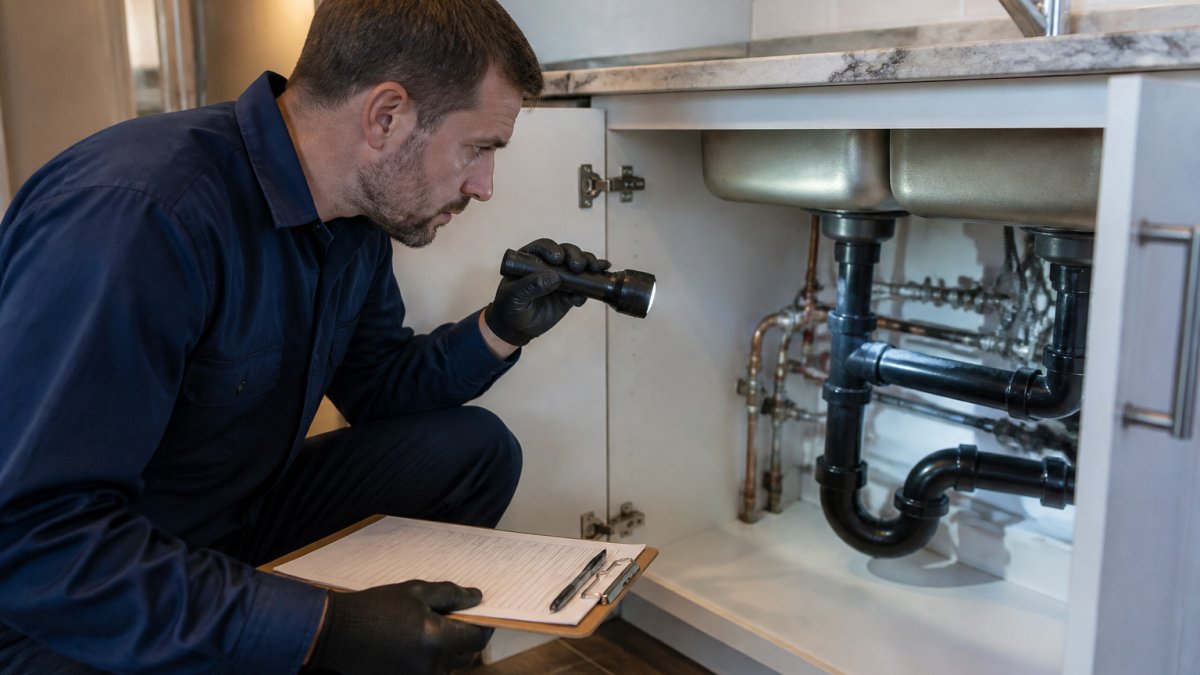
Run the walkthrough as a prioritized inspection, not a casual look. Work from the highest-risk items down, because a hidden supply-line leak or a failing water heater matters more to a buyer than a squeaky faucet handle. Bring a flashlight, a dry paper towel, and a phone for photos.
Priority 1, Water where it should not be. Check the water meter with every fixture off. If the dial still moves, water is escaping somewhere in the system. Then look for active drips under sinks, at supply lines, and around the water heater base.
Priority 2, Water heater condition. Note the date sticker on the tank. An aging water heater is a common buyer concern, so note the unit's age. Check for rust streaks, moisture at the base, and a pressure relief valve that is corroded or capped.
Priority 3, Drain performance. Fill each sink and tub, then let it drain. A gurgle or a slow finish points to a partial clog. Flush every toilet twice and watch the bowl refill; a weak flush or a running fill valve is a cheap fix now and a noisy showing later.
Priority 4, Fixture condition. Turn on every faucet, hot and cold, one at a time. Look for corrosion on shutoff valves and supply lines. Run the dishwasher and washing machine through a short cycle and watch the connections.
Room-by-Room Check: Kitchen, Bathrooms, Laundry, Basement
Work through each room with a flashlight and a dry paper towel, and write down what you find so you can hand the list to a plumber or use it for disclosure.
Kitchen: Check under the sink for moisture around the water supply line and the drain line. Look at the dishwasher connection and the disposal mount. Run the disposal and listen for rattling. A soft cabinet floor is a sign of a long-running leak.
Bathrooms: Press on the floor around the base of each toilet. A soft spot means a hidden leak or a failed wax ring. Check the caulk line around the tub and shower, and look at the ceiling below an upstairs bathroom for stains.
Laundry: Look behind the washer for a bulging or cracked hose. Braided stainless hoses are the common upgrade over rubber. Check the drain pan and the standpipe for backups.
Basement or crawlspace: Scan the ceiling and floor joists for water stains. Find the main shutoff valve and confirm it turns. Look for corrosion on visible pipes and around the water heater.
Water Heater, Water Pressure, and Hidden Leak Checks
Look at the water heater tank for rust streaks or moisture at the base. Check the pressure relief valve and the date sticker on the unit. Test water pressure by running a shower and a sink at the same time; weak flow points to a supply problem. For hidden leaks, check your water meter with every fixture off. If the dial still moves, water is escaping somewhere.
A common pattern is that sellers find one or two small items on this walkthrough and one larger item they did not expect, such as a slow supply-line leak or a water heater past its service window. Record each finding with a photo and a short note, then sort the list into fix-now, disclose, and monitor. That sort is the input for the repair-versus-credit decision later in this guide.
Watch out: a walkthrough is not a substitute for a licensed plumber's inspection. If you find an active leak, a sewer smell, or a water heater that will not hold pressure, stop and call a professional rather than tightening fittings yourself.
Plumbing Repairs Before Home Inspection: The Fix-Now List
Plumbing fixes before a home inspection should target problems a buyer can see, hear, or smell. Readers deciding which fixes are worth doing can check what plumbing repairs really cost sellers. Buyers and their inspectors notice visible defects first. Fix those, and you remove the easiest reasons to renegotiate.
Faucets, Toilets, Drains, and Under-Sink Leaks
- Dripping faucet: Replace the cartridge or washer. A steady drip stains sinks and signals neglect.
- Running toilet: Swap the flapper or fill valve. A running toilet wastes water and makes noise during showings.
- Slow or clogged drain: Clear hair and soap buildup in the trap first. If the slow drain returns, the clog sits deeper in the drain line.
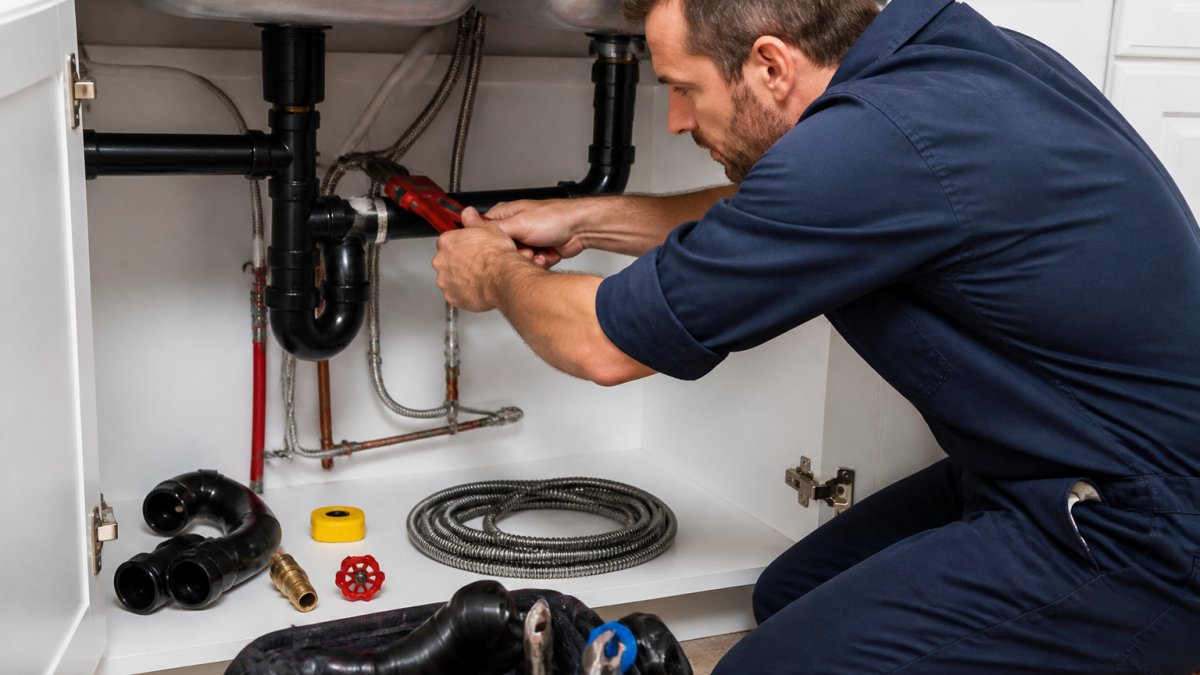
- Under-sink leak: Tighten the slip nuts or replace the supply line. Dry the cabinet and check again after a day.
What Not to Fix Before Selling Your House
What not to fix before selling your house usually comes down to scope, not cost. Some problems are better disclosed than repaired.
Skip repairs that need permits or excavation right before a listing. That includes sewer line problems, whole-house repiping, and work tied to the foundation. These jobs take time, tear up the property, and can delay a closing. Disclosing a known defect is often the cleaner path.
Watch out: hiding a known defect can create legal trouble after the sale (Consumer Guide: Seller Disclosures). If you are unsure whether a problem needs disclosure, ask before you sign the listing paperwork.
Home Plumbing Inspection Before Selling: What Buyers and Lenders Look For
A home plumbing inspection before selling checks the system the way a buyer's inspector will. Expect a close look at water pressure, visible leaks, the water heater, and how well fixtures drain. Lenders care about health and safety items and anything that threatens structural integrity, like an active leak near framing.
Common buyer concerns include:
- Water stains on ceilings or under cabinets
- Rust or corrosion on pipes and shutoff valves
- A water heater near the end of its life
- Slow drains in more than one fixture
- Low water pressure at upper floors
If a lender requires a closer look, our guide on how to handle a plumbing inspection for a mortgage covers what they ask for.
Selling a House With Plumbing Problems: Repair, Credit, or As-Is
Selling a house with plumbing problems leaves you three paths: repair it, offer a buyer credit, or sell as-is. Pick based on the size of the problem, how fast you need to close, and whether the issue affects safety or habitability.
| Option | Best For | Trade-off |
|---|---|---|
| Repair before listing | Small, visible fixes and safety items | You pay upfront, but showings go smoother and the inspection report is cleaner |
| Buyer credit or seller concession | Larger issues you do not want to manage | Buyer controls the repair and the price reflects it; the credit is negotiated in dollars at closing |
| As-is sale | Sewer, excavation, or repipe work, or a tight timeline | Lower offers and a smaller buyer pool, and you still owe required disclosures |
Decision framework. Ask four questions in order. First, is the issue a safety or habitability problem, such as an active leak, a gas water heater with a bad flue, or sewage backing up? Second, can the work be done in the time before your target listing or closing date? Third, does the work require a permit or excavation? Fourth, is the cost small relative to the likely negotiation?
Cost ranges and thresholds. Repair costs vary widely by market, home age, and severity. Pricing depends on the specific job, so contact Jersey Shore Sewer & Drain Cleaning through our website for current pricing or a free quote.
Disclosure mechanics. Disclosure rules vary by state and by transaction type, so confirm the requirements that apply to your sale. A defect you know about and fail to disclose can create legal exposure after closing, while a condition you have not confirmed is a different matter. Keep your walkthrough notes, repair estimates, and invoices; they show what you knew and when.
How inspection findings change the choice. After the buyer's inspection, you will usually get a request for repairs or a credit. Respond in writing, with a scope and a number. If the finding is small and you already planned to fix it, repair and provide the invoice.
A buyer credit or seller concession keeps the deal moving without you managing contractors. For guidance on how to negotiate plumbing repairs after inspection, see our walkthrough. As-is works when the work is big and the market is strong.
Watch out: an as-is sale may still carry disclosure duties. Confirm what your state requires before you list, and put the disclosure in writing.
Handle Inspection Findings and Get Repair Documentation
Once findings land, get everything in writing. Ask for a repair estimate with the scope spelled out: what gets fixed, what parts get replaced, and what stays as-is. Keep the invoice and any photos from the job. A buyer's lender may want proof the work was done.
When you hire someone for sewer-related work, know what to ask. Our page on licensed plumbers for sewer issues covers the questions to raise. Documentation also protects you if a question comes up after closing.
Book a Pre-Listing Sewer and Drain Inspection
A sewer problem is the one plumbing issue sellers cannot see, and it is the one buyers fear most. Tree roots, cracked pipes, and belly in the line show up on camera, not on the surface. A video inspection finds them before a buyer's inspector does. Our sewer video inspection guide explains how the process works and what it finds.
Our licensed, bonded, and insured team has been operating since 1990. We use video inspections and high-pressure hydro jetting to find and clear the real problem, and we offer free quotes. Same-day appointments are available, and we offer 24/7 emergency services.
Then call Jersey Shore Sewer & Drain Cleaning and get your pre-listing inspection booked. Get started with Jersey Shore Sewer & Drain Cleaning and list with confidence.
Frequently Asked Questions
Can you sell a house with plumbing problems?
Yes. Most plumbing issues do not block a sale, but they change how you sell. Small items such as a dripping faucet or running toilet are usually fixed before showings. Larger issues like a sewer line problem or whole-house repiping can be disclosed and negotiated as a buyer credit or price adjustment. Some lenders may require certain repairs before funding, so ask your agent early.
Which plumbing repairs actually pay off before listing?
Fix the visible, low-cost items buyers notice during showings: dripping faucets, running toilets, slow or clogged drains, and leaks under sinks. These are quick plumbing fixes that remove buyer concerns and protect your asking price. Skip cosmetic upgrades and major work that needs permits or excavation unless the market is slow and buyers expect move-in-ready homes.
Do I have to disclose plumbing problems when selling a home?
Disclosure rules vary by state and transaction type, so confirm the requirements that apply to your sale. As a practical rule, disclose known defects such as leaks, sewer issues, or water heater problems in writing. Disclosing is safer than hiding a problem a buyer inspection will find, and it supports a cleaner negotiation. An as-is sale still requires honest disclosure in most states.
Should I replace old pipes before selling my house?
Usually no. Whole-house repiping is expensive, disruptive, and often better handled as a negotiated credit than a pre-sale project. Get a professional inspection first. If the pipes are functioning and the buyer inspection flags them, you can offer a credit and let the buyer choose the contractor. Replace only when a lender or buyer requires it or the system is failing.
Selling a home comes with enough unknowns. A hidden sewer problem should not be one of them. Our team brings video inspection, hydro jetting, and honest answers to every job. Get started with Jersey Shore Sewer & Drain Cleaning and know exactly what your plumbing needs before the first showing.