 how-to
Cost of Removing Tree Roots from Pipes: 2026 Price Guide
Last Updated: October 22, 2026
Quick Summary
The national average cost of removing tree roots from pipes is $1,500 in 2026, with most projects landing between $350 and $4,000, according to Angi's 2026 root removal cost data. The final price depends on access, the removal method, and the condition of the pipe itself.
- Hydro jetting typically costs $300 to $600 for a residential sewer line, with most homeowners paying around $450.
- Standard cable snaking usually runs $100 to $250, roughly two to three times less than hydro jetting.
- Recurring root removal costs $350 to $600 per visit, often recommended every 6 to 12 months on a root-prone line.
- Trenchless pipe lining runs $4,000 to $8,000 for a typical residential lateral, while full replacement costs $6,000 to $15,000 or more.
- Call a plumber the moment you see backflow or sewage backing up into the home, since that is a plumbing emergency.
Table of Contents
- Cost of Removing Tree Roots from Pipes: What Homeowners Pay
- Signs of Tree Roots in Sewer Line You Should Not Ignore
- How Plumbers Remove Roots: Cabling, Hydro Jetting, and Root Cutting
- Hydro Jetting Cost and What Affects the Price
- Sewer Camera Inspection Cost and Why It Comes First
- Sewer Line Repair Cost vs. Replacement: The Long-Term Math
- DIY vs. Professional Root Removal: What You Risk
- Preventative Maintenance That Keeps Roots Out
- Frequently Asked Questions
Cost of Removing Tree Roots from Pipes: What Homeowners Pay
The national average cost of removing tree roots from pipes is $1,500 in 2026, with most projects landing between $350 and $4,000, according to Angi's 2026 root removal cost data.
The answer comes down to what's actually happening inside the pipe.
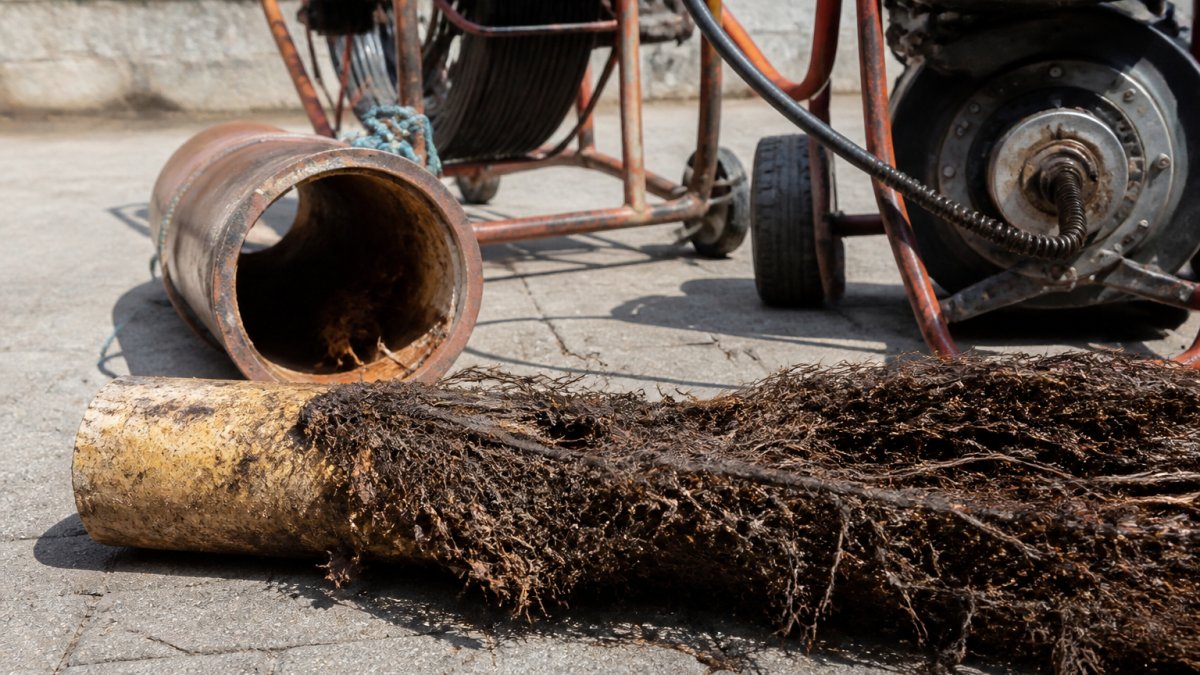
Root removal is the process of clearing tree roots that have entered a sewer line through cracks, joints, or loose fittings.
Below, we break down real numbers, the methods behind them, and how to tell when removal stops making financial sense.
Why the Price Range Is So Wide
Three things drive the final bill: access, method, and pipe condition.
A shallow clog near a cleanout is quick work. A main sewer line with roots wrapped around a collapsed joint is a different job entirely.
- Access: Easy cleanout access keeps labor low. Excavation pushes it up.
- Method: Cabling is cheaper upfront. Hydro jetting costs more but clears more.
- Pipe condition: Roots often signal cracked pipe. Repair adds to the total.
A U.S. Department of Agriculture Forest Service review of tree root intrusion found that root-removal costs may be as little as one-sixth the cost of replacing or renewing a root-damaged pipe.
Signs of Tree Roots in Sewer Line You Should Not Ignore
Slow drains throughout the house are the most common warning sign of tree roots in a sewer line. When multiple fixtures drain slowly at once, the blockage is usually in the main line, not a single fixture.
Watch for these:
- Gurgling toilets after you run the sink or washing machine
- Sewage smells in the basement or yard
- Repeated clogs in the same drain
- Soggy patches or unusually green grass over the sewer lateral
Any one of these deserves a look. Two or more means call someone.
When to Call a Plumber Instead of Waiting
Call a plumber the moment you see backflow or sewage backing up into the home. That's a plumbing emergency, not a wait-and-see situation.
Raw sewage carries health risks, and standing water damages flooring and drywall fast. Slow drains without backup can usually wait a day or two. Backup cannot.
How Plumbers Remove Roots: Cabling, Hydro Jetting, and Root Cutting
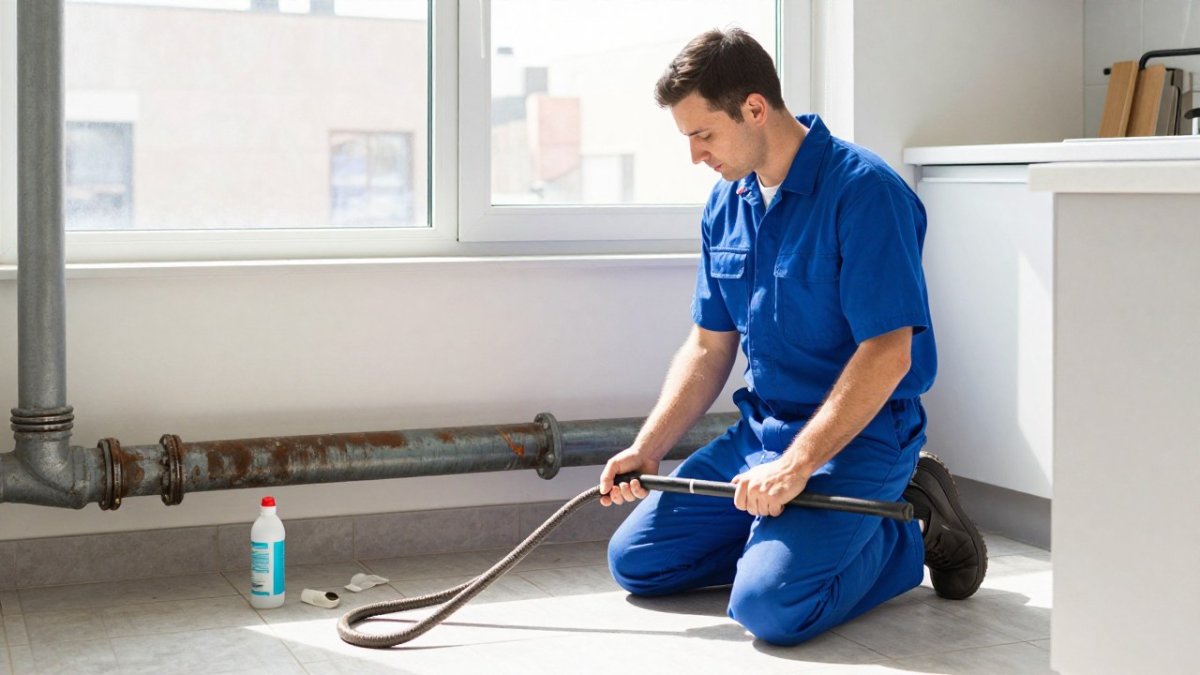
Mechanical removal is the standard first step. A plumber runs a drain auger or root cutting head through the line to break up the root mass, then clears the debris.
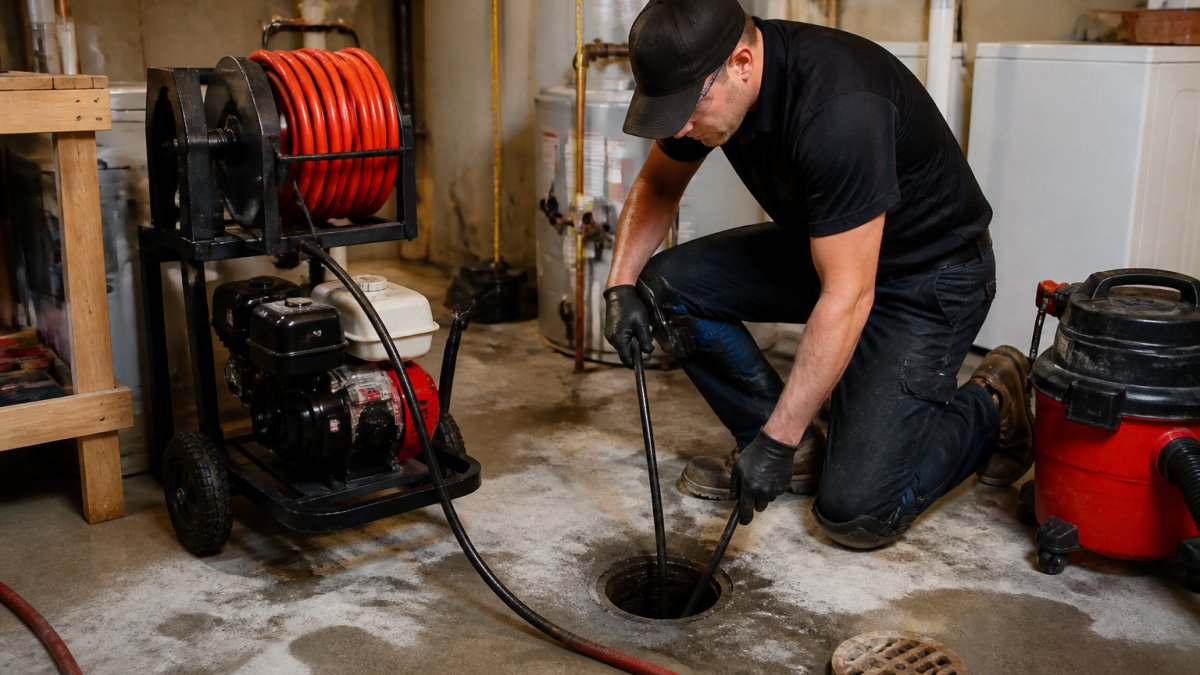
Cabling, also called snaking, uses a rotating steel cable with a cutting head. It's fast and effective on smaller root blockages.
Here's the part most guides skip: cutting roots can make them grow back stronger. A 2025 review in Science of the Total Environment on root intrusion impacts found that traditional root cutting is often ineffective because cutting roots back can encourage regrowth.
Hydro Jetting vs. Cabling: Which Method Fits Your Pipe
Cabling is best for light root intrusion and tight budgets. Hydro jetting wins when roots are dense, grease is present, or the pipe needs a full cleaning.
| Method | Best For | Main Limitation |
|---|---|---|
| Cabling | Light roots, quick clears | Roots regrow faster |
| Hydro jetting | Dense roots, grease, full cleaning | Higher cost, needs solid pipe |
| Root cutting | Heavy root masses | Not a permanent fix |
Old, fragile pipe is the exception. High pressure can damage pipe that's already failing, so a camera inspection comes first.
Hydro Jetting Cost and What Affects the Price
Hydro jetting typically costs $300 to $600 for a residential sewer line, with most homeowners paying around $450, according to Angi's 2026 drain cleaning cost data.
Here is what moves the price up or down:
- Line length: A short lateral under 50 feet may fall at the low end. Runs over 100 feet, or lines that require working from a roof vent or exterior cleanout, push toward the high end.
- Access difficulty: Tight crawlspaces, finished basements, and cleanouts buried under landscaping add labor. A plumber who has to pull a toilet to access the line charges more.
- Debris volume: Heavy grease combined with root mass means multiple passes. Each pass adds time and water.
- Pipe condition: Fragile clay or cast iron pipe requires lower pressure and a camera check first, which adds a step and a fee.
- Follow-up camera inspection: A post-jetting camera check is worth it to confirm the pipe is actually clean.
A common pattern is a jetting job that turns into a larger job once a cracked joint is found that needs a spot repair.
Why Hydro Jetting Is Not Always the Right First Move
Hydro jetting needs structurally sound pipe. High pressure can widen existing cracks in failing clay or cast iron, turning a $450 cleaning into a $4,000 excavation.
For lines that are sound but root-heavy, jetting plus a foaming root killer applied after the cleaning is a common maintenance combo. The jetting removes the mass; the foam slows regrowth along the pipe walls.
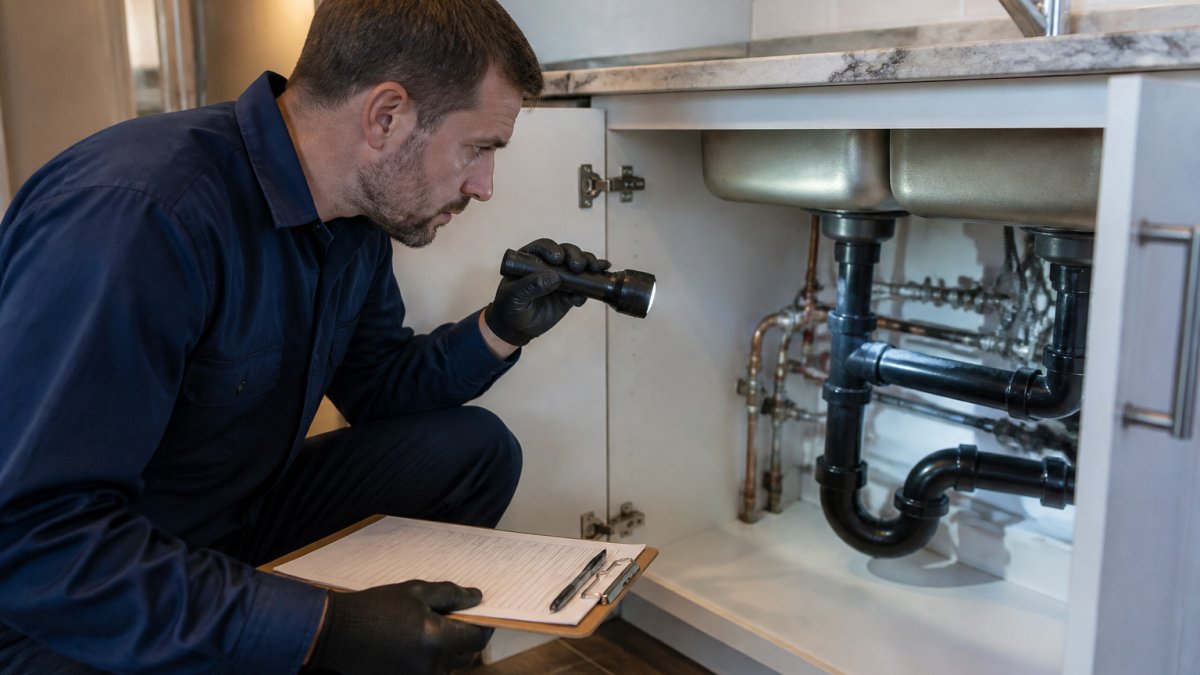
Sewer Camera Inspection Cost and Why It Comes First
Sewer camera inspection cost is modest compared to what it prevents.
That footage changes the whole conversation. If the pipe is sound, removal works. If it's broken, you're paying to clear roots that will return through the same opening.
This is also where homeowners get burned by guesswork. A plumber who quotes root removal without a camera is quoting blind.
Sewer Line Repair Cost vs. Replacement: The Long-Term Math
Clearing roots fixes the symptom. Repairing the pipe fixes the cause. The sewer line repair cost depends on the damage, but the long-term math usually favors fixing the pipe once. Here is the part most guides skip: the break-even point where recurring root removal stops being cheaper than a permanent repair.
Typical price ranges for the three paths:
- Recurring root removal (cabling or jetting): $350 to $600 per visit, often recommended every 6 to 12 months on a root-prone line.
- Spot repair: $1,000 to $4,000 to dig up and replace a short damaged section, depending on depth and surface restoration.
- Trenchless pipe lining (relining): $4,000 to $8,000 for a typical residential lateral, according to Angi's 2026 sewer line repair cost data.
- Full replacement: $6,000 to $15,000 or more, driven by length, depth, and whether the line runs under a driveway, patio, or mature landscaping.
Run the math on a line that needs clearing twice a year. A relining job paid once stops the cycle and seals the entry points roots are using.
Relining vs. Replacement: A Cost-Benefit Look
Trenchless pipe lining installs a new liner inside the existing pipe, sealing cracks and joints without digging up the yard. Full replacement means excavation and new pipe.
- Relining: Lower disruption, faster turnaround (often one day), seals root entry points, and works on pipe that is cracked but still round and structurally sound. It does not fix a collapsed line or a line with significant offset joints.
- Replacement: Higher cost, longer timeline, solves collapsed or offset pipe, and resets the clock on the full line. It is the honest answer when the camera shows the pipe has lost its shape.
A common pattern is a homeowner who has paid for multiple root clearings over several years and is finally quoted a relining job. The relining cost is real, but so is the amount already spent on temporary fixes, plus the risk of a sewage backup in between.
DIY vs. Professional Root Removal: What You Risk
Store-bought chemical root killers and drain cleaners rarely solve root intrusion. Copper sulfate products can slow regrowth, but they don't remove the root mass, and they don't fix the pipe.
The bigger risk is pipe damage. A rented auger in untrained hands can crack older pipe or break a cable inside the line, turning a $350 job into an excavation.
Preventative Maintenance That Keeps Roots Out
An annual camera inspection and drain cleaning catches root intrusion before it becomes a backup. For older homes and properties with mature trees near the lateral, yearly checks are cheap insurance.
Also:
- Know where your lateral runs and avoid planting trees over it
- Fix slow drains early instead of waiting for backup
- Schedule cleaning before spring, when root growth picks up
- Keep a record of past clogs and repairs for future buyers
Tree roots rarely fix themselves, and the longer you wait, the more the repair costs. If you're seeing slow drains, gurgling, or backup, Jersey Shore Sewer & Drain Cleaning can help.
Frequently Asked Questions
How much does it cost to remove tree roots from sewer pipes?
The final tree root removal price depends on how far the roots have spread, the length of the affected line, whether a sewer camera inspection is needed, and whether the pipe itself is damaged. A simple cabling job on a short clog sits near the low end, while a full hydro jetting service plus camera inspection and a spot repair pushes toward the top of the range.
Will hydro jetting remove tree roots from pipes, and what does it cost?
Hydro jetting uses high-pressure water to scour roots, grease, and scale from the inside of a pipe, and it clears root blockage more thoroughly than a drain auger alone. Hydro jetting cost varies with line length, access, and severity, so ask for a quote after a camera inspection confirms the pipe can handle the pressure. Older or already-cracked pipes may not be safe for jetting, which is why the inspection comes first. Jetting clears roots but does not repair a damaged pipe, so recurring clogs often point to a repair or relining decision.
Does homeowners insurance cover tree root damage to sewer lines?
Most homeowners insurance policies cover sudden, accidental damage, such as a sewer backup that damages flooring or fixtures, but they typically exclude the cost of clearing roots or repairing the pipe itself, since that is treated as maintenance. Some policies offer limited sewer line coverage as an add-on. Check your policy language and ask your insurer directly before assuming a claim will pay out. Keep records of inspections and repairs, since documentation helps if you file a backup-related claim.
How can you tell if tree roots are in a sewer line?
Common signs of tree roots in sewer line include slow drains throughout the house, gurgling toilets, repeated clogs in the same fixture, sewage odors, and backups in the lowest drains. A sewer camera inspection confirms the diagnosis by showing roots entering through joints or cracks. A 2025 review in Science of the Total Environment notes that traditional root cutting can encourage regrowth, so identifying the problem early and planning for a lasting fix, such as pipe relining, often costs less than repeated clearing visits.