 how-to
Professional Sewer Cleaning Service: A How-To Guide
Table of Contents
- Signs You Need Professional Sewer Cleaning
- How Professional Sewer Cleaning Works
- Understanding Hydro Jetting and Its Costs
- When to Choose Professional Service Over DIY
- Benefits of Regular Sewer Maintenance
- How to Prevent Future Drain Backups
- Frequently Asked Questions
Last Updated: September 18, 2026
Signs You Need Professional Sewer Cleaning
When drains back up repeatedly, sewage odors seep into your home, or water pools in your yard, your sewer line needs immediate attention. These warning signs tell you it's time to call for professional sewer cleaning service.
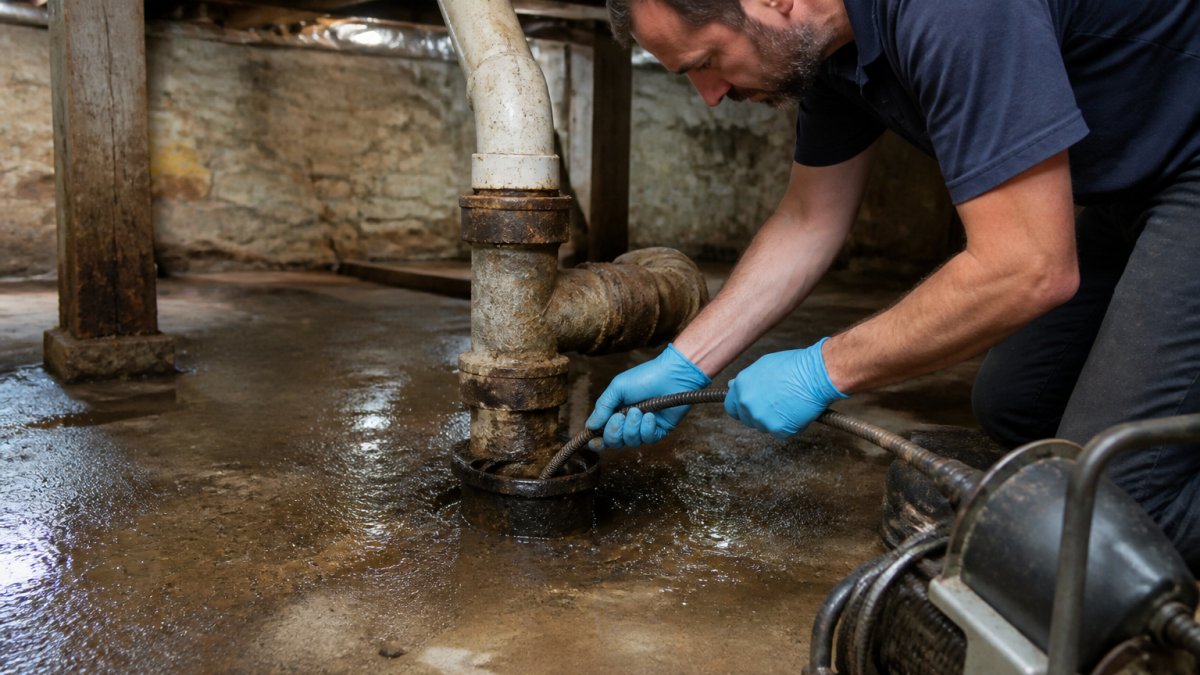
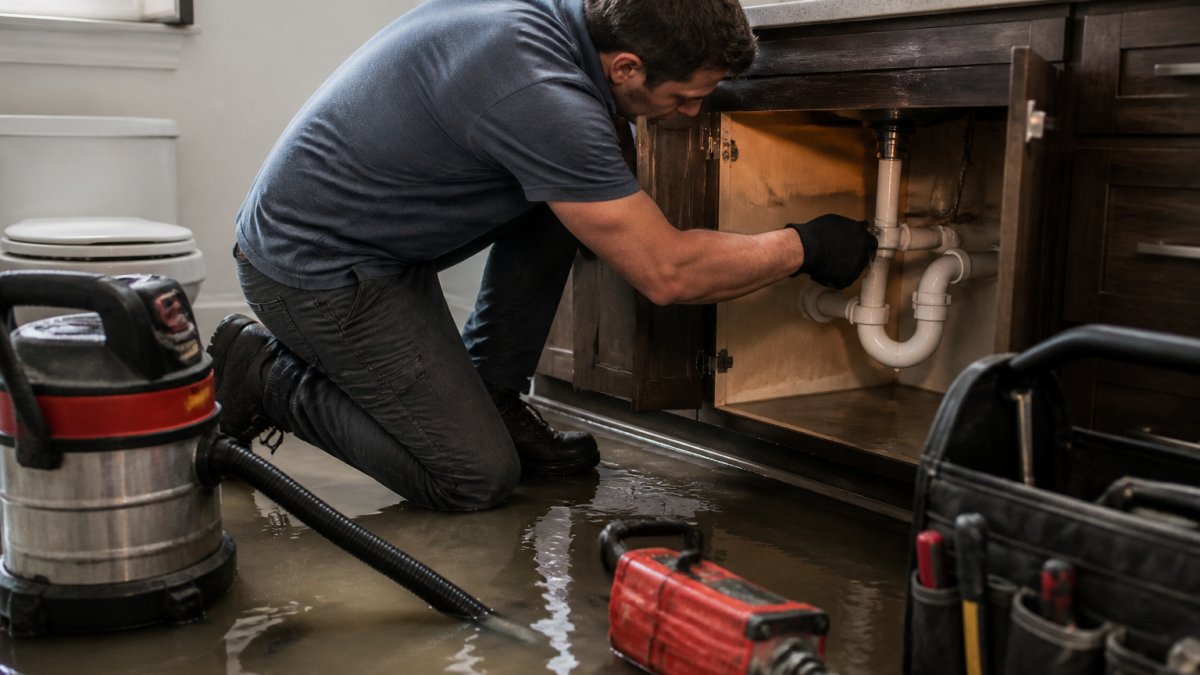
Slow drainage throughout your entire house, multiple fixtures draining slowly at once, gurgling toilets, or backed-up water in your basement, points to a main sewer line blockage rather than a problem in your walls.
Foul odors near clean-out access points or in your yard signal a blockage. Tree roots, grease buildup, and collapsed pipe sections are common culprits. A licensed plumber can diagnose the exact cause using video camera inspection technology.
Wet spots or unusually green grass patches signal a sewer lateral leak or break. Wastewater seeping into soil requires prompt professional attention to prevent environmental contamination and property damage.
How Professional Sewer Cleaning Works
Professional sewer cleaning service uses advanced technology to remove blockages and restore proper flow. Professional sewer cleaning service employs primary methods depending on what's causing your backup: drain snaking for localized clogs and hydro jetting for stubborn buildup and root intrusion.
Video Camera Inspection and Diagnostics
A video camera inspection reveals exactly what's blocking your line before cleaning begins. A small, high-resolution camera on a flexible cable travels through your pipes, displaying real-time footage on a monitor and showing the plumber what they're dealing with.
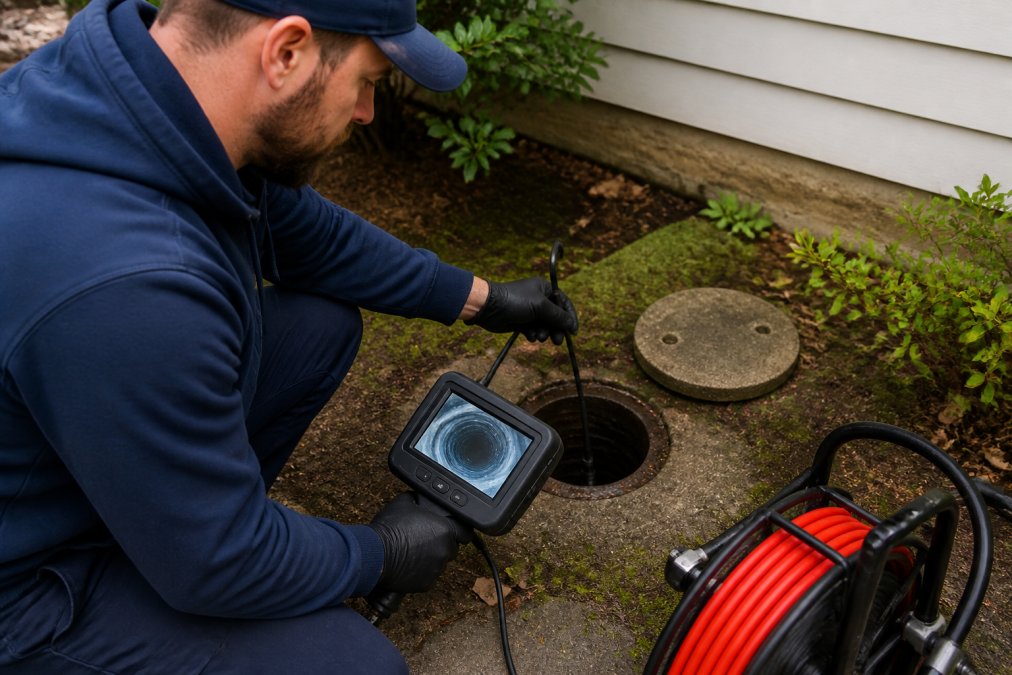
The camera identifies root intrusion, grease accumulation, pipe cracks, and debris buildup, showing you exactly where the problem is and answering the question: "How do I know you're not just telling me I need expensive work?"
Video inspection catches issues before they become emergencies and generates the sewer inspection certificate many property buyers require before closing.
Drain Snaking vs. Hydro Jetting
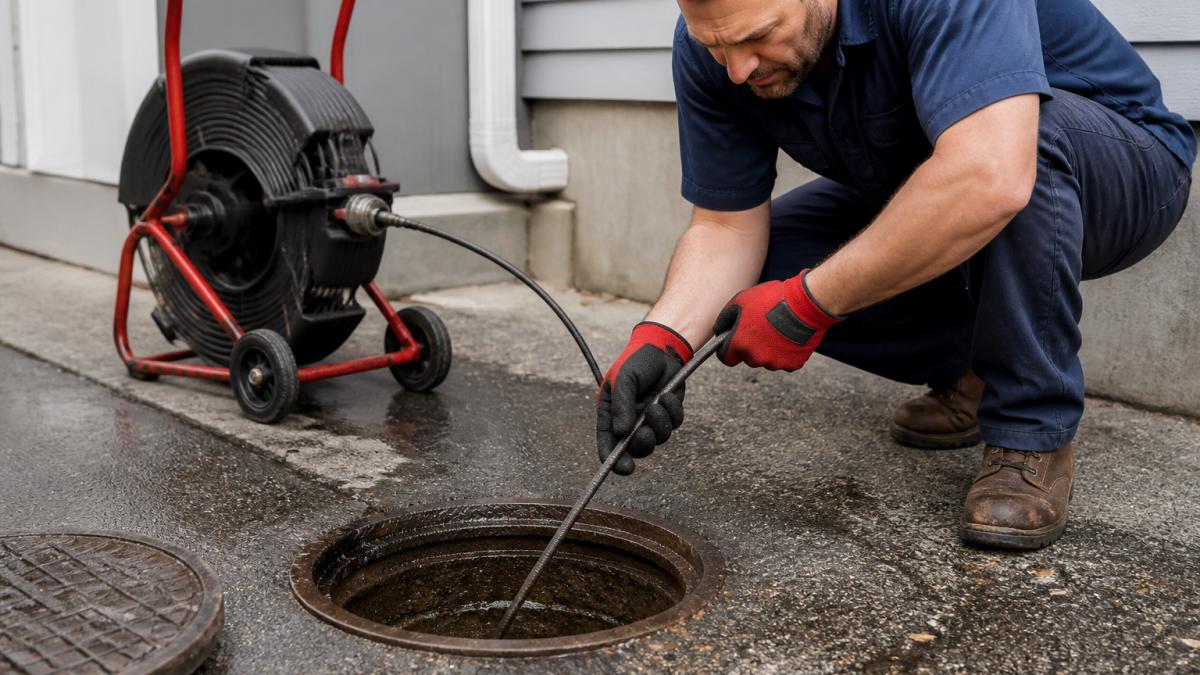
Drain snaking uses a rotating cable with a cutting head to grind through grease, hair, soap buildup, and minor root intrusion. It works well for localized clogs and is typically faster and less expensive than hydro jetting.
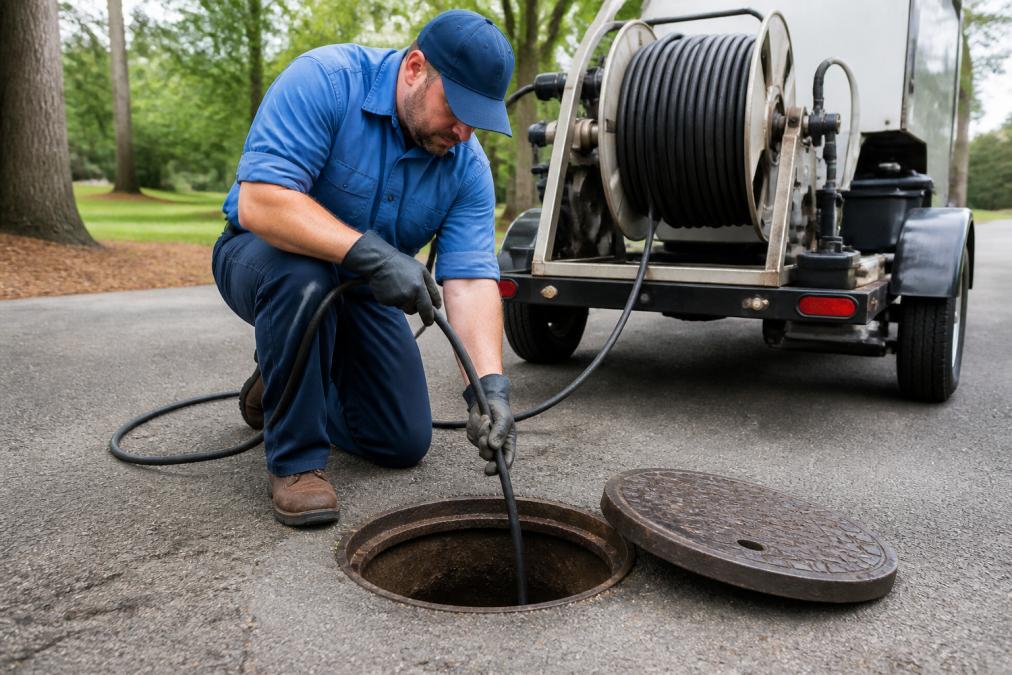
Hydro jetting propels water at high pressure through your pipes, cleaning the entire pipe wall rather than just a path through the center. It's more effective for stubborn blockages, tree root removal, and grease-laden commercial lines.
A professional plumber recommends the right method based on your video inspection: snaking for simple clogs, hydro jetting for years of grease buildup or extensive root intrusion.
Understanding Hydro Jetting and Its Costs
Hydro jetting is the most effective method for clearing serious sewer blockages, but cost, safety, and local code compliance are legitimate concerns. Understanding how these factors interact helps you make an informed decision.
How hydro jetting works:
A hydro jetting truck propels water at 3,000-4,000 PSI through your pipes, scouring away grease buildup, cutting through tree roots, and clearing mineral deposits. Unlike snaking, it cleans the entire pipe wall, preventing rapid re-clogging and making it especially effective for commercial kitchens and homes with chronic grease problems.
Typical cost factors:
Hydro jetting cost depends on line length, blockage severity, and equipment access. Always request a video inspection and written quote before work begins.
NJ-specific pipe considerations:
Many homes built pre-1970 have clay or cast iron sewer pipes. These materials are brittle and don't flex like modern PVC. Clay pipes are prone to root intrusion; cast iron corrodes over decades, creating rough surfaces that trap grease and debris.
Before hydro jetting an older pipe, a video inspection is mandatory to show whether the interior is intact or cracked. Modern equipment includes pressure controls and specialized nozzles adjusted for fragile pipes. A qualified licensed plumber assesses your pipe's condition and recommends the safest approach.
Pipe age and hydro jetting safety:
- Pipes 20-40 years old (PVC, newer cast iron): Usually safe for standard hydro jetting at 3,000-4,000 PSI.
- Pipes 40-60 years old (clay, older cast iron): Requires video inspection first. Pressure may need to be reduced to 2,000-3,000 PSI, or snaking recommended instead.
- Pipes 60+ years old (clay, deteriorated cast iron): High risk. Video inspection often reveals cracks or thin spots. Trenchless pipe relining may be safer than hydro jetting.
Local plumbing code compliance:
Sewer work must comply with the Uniform Plumbing Code (UPC) and local ordinances. Licensed plumbers are required for main sewer line work; unlicensed contractors cannot legally perform this service. A licensed plumber handles permits and ensures code compliance, protecting you if issues arise later.
If selling your home, the buyer's lender may require a sewer inspection certificate. Only a licensed plumber can issue this documentation.
Alternatives to hydro jetting for fragile pipes:
If your video inspection reveals a pipe too fragile for high-pressure water, alternatives include drain snaking (gentler, removes blockages without pressure risk), trenchless pipe relining (new sleeve inserted inside old pipe, $3,000-$8,000 but eliminates future problems for 50+ years), or spot repair (targeted excavation if only one section is damaged).
Why pressure control matters:
A professional hydro jetting operator adjusts pressure based on your pipe's condition, starting low and increasing only if the pipe tolerates it. Inexperienced operators risk ruptures in older pipes by using maximum pressure on every job. Professional service prevents costly damage.
When to Choose Professional Service Over DIY
Some plumbing problems tempt homeowners to try DIY solutions. A clogged bathroom sink drain is not the same as a backed-up sewer main, and knowing the difference saves you thousands in pipe damage. Here's a practical threshold guide:
Safe for DIY (with caution):
- Single fixture drains slowly (bathroom sink, shower) and plunger clears it immediately
- Visible hair or soap buildup in a drain trap you can access
- Drain has never backed up before and water eventually flows
Risky for DIY (high damage potential):
- Multiple fixtures backing up at once (sign of main line blockage)
- Drain has backed up repeatedly in the past 6 months
- Pipes are older than 40 years (common in older neighborhoods; clay and cast iron are fragile)
- You've already tried a plunger or chemical cleaner and it didn't work
- You can see or smell sewage in your yard or basement
Why DIY fails on sewer lines:
Chemical drain cleaners are dangerous. Products like sodium hydroxide and sulfuric acid corrode older pipes (especially clay and cast iron common in pre-1970s homes). The chemicals rarely dissolve root intrusion or grease buildup; they create a temporary opening that clogs again within weeks.
Rented drain augers lack the power and precision of commercial equipment. You risk puncturing or cracking your pipe, getting the cable stuck (requiring emergency extraction), creating a partial blockage that worsens, or missing the actual problem because you can't see inside the pipe.
A professional plumber uses video camera inspection first to see exactly what's blocking your line before selecting the right tool. If something goes wrong, they're licensed, bonded, and insured. A DIY mistake leaves you liable for the damage and the professional repair bill.
| Scenario | DIY Risk Level | Professional Recommended? |
|---|---|---|
| Single sink clogged, plunger works | Low | No, unless it recurs |
| Multiple fixtures backing up | Critical | Yes, immediately |
| Sewage smell in yard | Critical | Yes, same day |
| Pipe older than 50 years | High | Yes, use camera first |
| Previous backup in past year | High | Yes, get inspection |
| You've tried chemicals/auger already | Critical | Yes, before damage spreads |
The safest rule: if the problem is in your main sewer line (not a single fixture), call a licensed plumber. The diagnostic video inspection alone is worth the cost, it shows you exactly what's wrong and prevents costly guesswork.
Benefits of Regular Sewer Maintenance
Regular inspections catch problems early when they're cheaper to fix. A video camera inspection every 3-5 years is smart for older homes or properties with known tree root issues.
How to Prevent Future Drain Backups
Never flush anything except toilet paper and human waste. Baby wipes, paper towels, feminine hygiene products, and "flushable" wipes cause blockages and don't break down like toilet paper.
Frequently Asked Questions
What are the main signs of a clogged sewer main?
Common indicators include slow drains throughout your home, sewage backups in multiple fixtures, gurgling sounds from toilets or drains, and wet patches in your yard or basement. If multiple drains back up simultaneously rather than just one fixture, the problem is likely in your main sewer line, not a branch line. A licensed plumber can confirm this with video inspection and recommend professional sewer cleaning or repairs.
How do sewer line video inspection benefits compare to traditional methods?
Video camera inspection pinpoints the exact location and cause of blockages, whether from grease buildup, root intrusion, or pipe damage, without guessing. This precision eliminates unnecessary work and prevents repeat clogs. Traditional methods like snaking clear the immediate obstruction but don't identify underlying issues. Video inspection also creates a documented record for real estate transactions, insurance claims, and preventative maintenance planning.
What factors affect hydro jetting cost in this region?
Hydro jetting pricing depends on line length, blockage severity, pipe age, and whether trenchless repair is needed afterward. Older pipes may require lower pressure settings, affecting service time. Pricing also varies by service provider, urgency (emergency vs. scheduled), and local labor costs. Contact a licensed provider for a free quote based on your specific situation and property details.
Is professional sewer cleaning safe for older pipes?
Modern hydro jetting equipment includes adjustable pressure settings, allowing technicians to clean older pipes safely without causing damage. A video inspection before cleaning identifies pipe condition and helps determine the appropriate pressure level. Pipes over 80 years old may have existing cracks or weaknesses, which inspection reveals before cleaning begins. This protects your investment and prevents unexpected repair costs after service.