 ultimate-guide
Sewer Inspection Requirements for Home Buyers
Table of Contents
- Why Sewer Inspection Matters When Buying a Home
- What Does a Sewer Camera Inspection Look For
- Understanding Your Sewer Scope Inspection Report
- How Long Does a Sewer Scope Inspection Take
- Sewer Line Inspection Red Flags and What They Mean
- Legal Requirements and Lender Mandates
- Who Pays for Inspection and Negotiating Findings
- Frequently Asked Questions
Last Updated: October 7, 2026
Why Sewer Inspection Matters When Buying a Home
A sewer inspection requirement is one of the most overlooked contingencies in residential real estate. Buyers focus on the structure, roof, and electrical systems while ignoring what's beneath their feet: the sewer line connecting the property to the municipal wastewater system.
A failed sewer line can cost substantial amounts to repair or replace, and that liability falls entirely on the owner after closing. Unlike a visible roof or foundation issue, sewer problems hide underground.
A video inspection can help buyers discover catastrophic sewer issues that might otherwise go unnoticed until weeks after closing. A sewer scope inspection uses camera technology to examine the entire sewer line before you commit to a purchase.
The legal landscape varies by jurisdiction. Some municipalities require sewer inspection requirements as part of property transfer documentation, and many lenders mandate inspections before approving mortgages on older properties.
What Does a Sewer Camera Inspection Look For
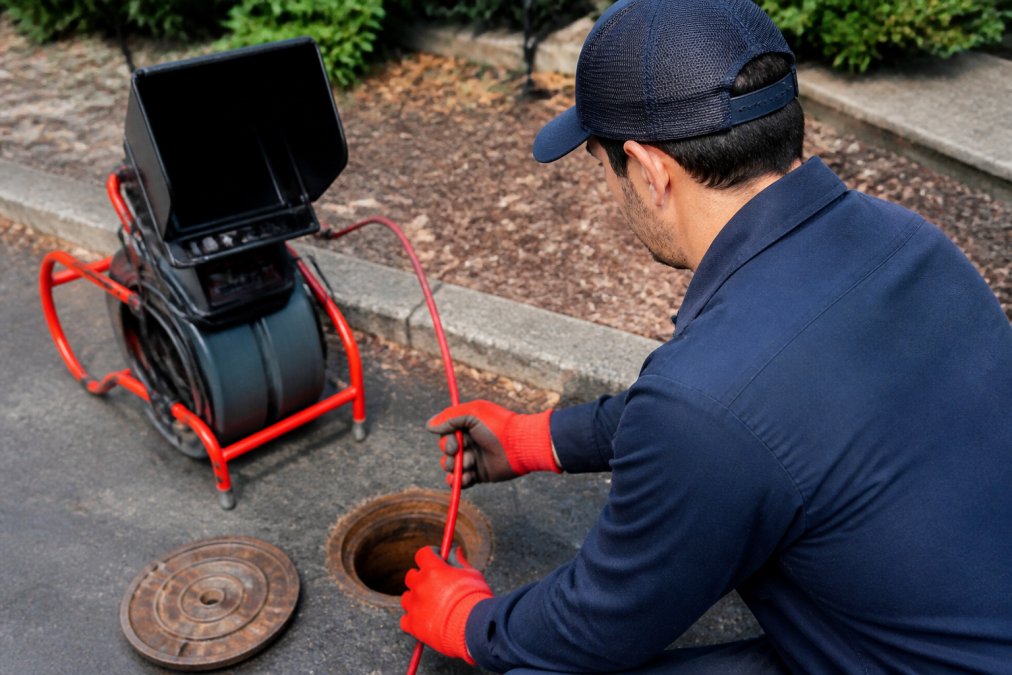
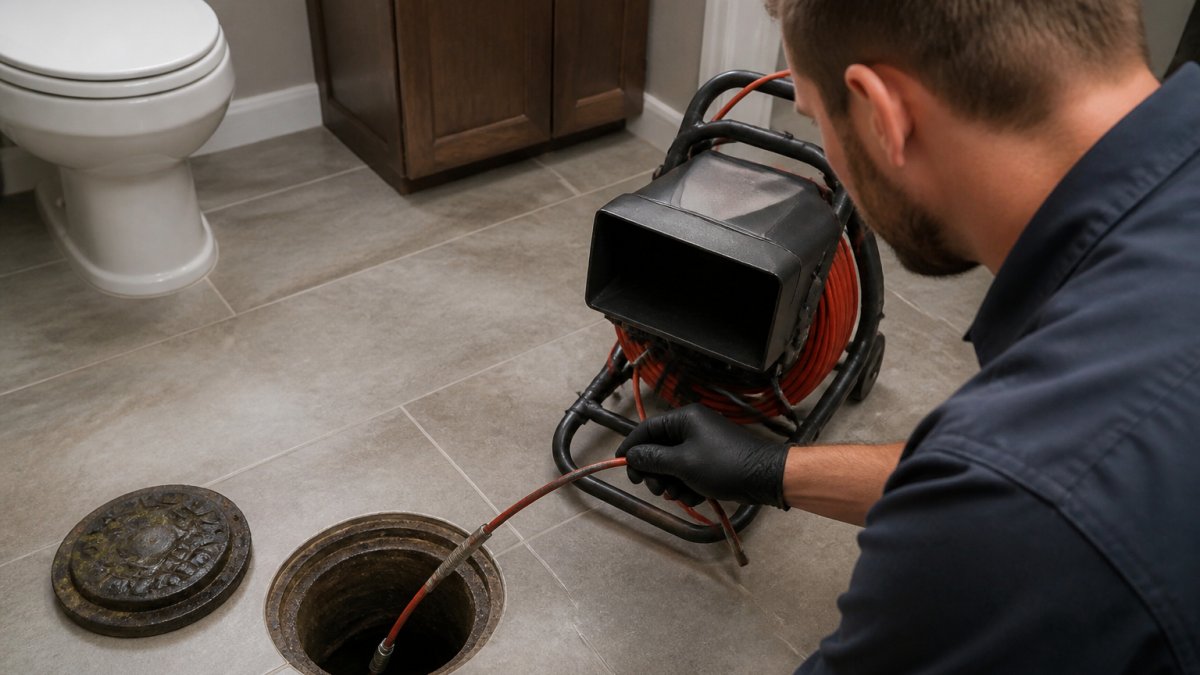
A sewer camera inspection is a video examination of your sewer line using a waterproof camera mounted on a flexible rod or cable. The inspector feeds it through the system, usually from a cleanout access point, capturing real-time video of the pipe's interior. This direct visual assessment reveals defects impossible to diagnose any other way.
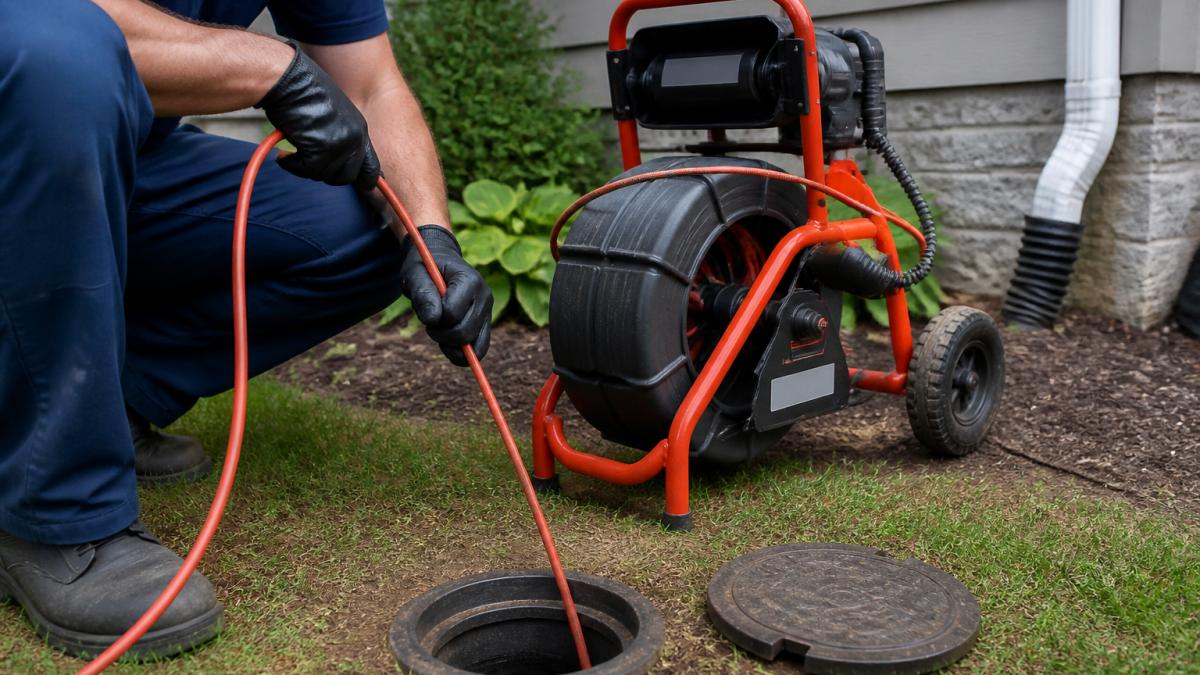
The inspection examines the entire sewer line from the home's main drain to the municipal connection point, assessing:
- Pipe material and age: Clay, cast iron, PVC, concrete, or asbestos-cement pipes all have different lifespans and failure modes. Older materials are more prone to deterioration.
- Structural integrity: The camera looks for cracks, breaks, or separation in the pipe joints where sections connect.
- Blockages and obstructions: Grease buildup, toilet paper accumulation, or foreign objects that restrict flow.
- Root intrusion: Tree roots are the most common sewer problem in older properties. Roots penetrate small cracks and grow inside the pipe, eventually blocking it entirely.
- Pipe belly or sagging: Sections of pipe that have settled or collapsed, creating low spots where water and waste collect instead of flowing freely.
- Standing water: Pooling inside the pipe indicates drainage problems or complete blockage downstream.
- Infiltration and inflow: Cracks or breaks that allow groundwater to enter the sewer line, which increases flow to the municipal system and can cause backups during heavy rain.
The report documents each defect with timestamps, descriptions, and still photos or video clips. You'll see exactly what the inspector saw: visual evidence of the sewer line's actual condition, not a summary.
Understanding Your Sewer Scope Inspection Report
Your sewer scope inspection report translates camera footage into actionable information, including:
- Pipe diameter and material: Identifies what you're dealing with (4-inch PVC, 6-inch clay, etc.).
- Depth measurements: Shows how far below ground the sewer line runs, which affects repair access and cost.
- Defect descriptions with locations: Each problem is noted by distance from the inspection starting point. Example: "Root intrusion at 35 feet; cracked pipe at 62 feet."
- Severity ratings: Typically categorized as minor, moderate, or severe. Minor issues might be cosmetic; severe ones require immediate attention.
- Photographic evidence: Still frames from the video showing specific defects.
- Recommendations: Whether the line needs cleaning, repair, or replacement.
- Certification: Licensed inspectors sign the report, making it a legally valid document for disclosure and negotiation.
The report becomes your negotiating tool. If the line needs hydro jetting to clear roots, you can request the seller pay for cleaning before closing. If the pipe is cracked or collapsed, you can negotiate a repair credit or price reduction. Without the report, the seller isn't obligated to disclose problems you haven't documented.
Focus on the severity column. Minor root intrusion in a clay pipe might be manageable with regular maintenance; a collapsed section is a deal-breaker unless the seller credits enough to cover replacement.
How Long Does a Sewer Scope Inspection Take
A typical sewer scope inspection takes 1-2 hours from arrival to completion. The camera work itself, feeding the line and recording video, usually takes 30-45 minutes depending on line length and accessibility.
What affects inspection duration:
- Sewer line length: A 50-foot line takes less time than a 100-foot line. Residential properties typically have 50-150 feet of sewer line.
- Access point location: If the cleanout is easily accessible in your yard, setup is quick. If it's buried, blocked, or in an inconvenient location, the inspector may need to excavate or use alternative access points.
- Blockages: If the line is heavily blocked with grease or debris, the inspector may need to clear it first before the camera can pass through.
- Line condition: A severely damaged line with multiple collapses or breaks may require the inspector to stop, document, and carefully navigate around obstacles.
Scheduling often takes longer than the inspection. Most inspectors book 2-3 weeks out, especially during peak buying season. If you're under a 14-day inspection contingency, contact the inspector immediately; waiting until day 10 risks missing your deadline.
The report is usually delivered within 24-48 hours. Digital reports with video clips are standard: a PDF summary plus access to the full camera footage.
Sewer Line Inspection Red Flags and What They Mean
Certain findings in your sewer scope inspection report demand immediate attention. Here's what each red flag means for your property and wallet:
Root intrusion: Tree roots have penetrated the pipe and are growing inside, the most common defect in older properties with mature trees. Roots keep growing and eventually block the line completely. Early-stage intrusion can be managed with regular hydro jetting; advanced intrusion requires pipe replacement.
Cracked or broken pipe: The pipe has fractured or separated at a joint, letting sewage leak into the soil and groundwater infiltrate the pipe. Cracks worsen over time.
Pipe belly or sagging: A section of pipe has settled and now sags in the middle, creating a low spot.
Blockage: Something partially or completely blocks the line, commonly grease accumulation, toilet paper buildup, or collapsed pipe sections. Blockages cause backups.
Collapsed pipe: The pipe has caved in on itself. This is a critical failure requiring immediate replacement. Collapsed sections prevent all flow and cause immediate sewage backup into the home.
Standing water: Water pooling inside the pipe indicates the line isn't draining properly, suggesting downstream blockage or pipe failure and imminent backup problems.
Infiltration and inflow: Cracks or breaks allow groundwater into the line.
Not every finding requires immediate action.
Legal Requirements and Lender Mandates
Sewer inspection requirements vary significantly by jurisdiction. Some municipalities require a sewer line certification as part of property transfer; others leave it entirely to the buyer's discretion.
What you need to know:
Municipal disclosure requirements: Many jurisdictions require sellers to disclose known sewer problems, but "known" is key: if the seller hasn't had the line inspected, they may claim ignorance. A buyer-ordered inspection creates documented evidence. Check your local disclosure laws or ask your real estate attorney.
Lender requirements: Many lenders now require a sewer inspection on properties built before 1980 or with clay or cast-iron lines, protecting their investment. If your lender requires one, it's non-negotiable to close the loan.
Transfer or sale requirements: Some municipalities require a sewer line inspection certificate when property changes hands, especially in areas with aging infrastructure.
Septic system inspections: If the property has a private septic system instead of municipal sewer, requirements differ. Septic inspections look at tank condition, drain field function, and soil percolation, with their own regulations and standards.
To determine what applies to your property, consult your real estate attorney or contact your local health department. They can tell you exactly what inspections are required before closing.
Who Pays for Inspection and Negotiating Findings
Conventionally, the buyer pays for the sewer inspection as part of due diligence during the inspection contingency period. Once defects are discovered, however, payment responsibility becomes negotiable.
Inspection cost: The buyer pays. This is standard. The inspection is part of your due diligence, similar to a general home inspection or termite inspection.
Repair or replacement cost: This is where negotiation happens. If the inspection reveals defects, you have three options:
-
Request the seller pay for repairs before closing. The seller funds the work, you verify it's complete, and you close on a property with a repaired sewer line.
-
Request a credit at closing. The seller reduces the purchase price by the estimated repair cost. You close on the property and hire your own contractor to do the work after closing. This gives you control over the contractor and the quality of work.
-
Accept the property as-is and close without credits or repairs. This is your option if the defects are minor or if you're willing to handle repairs yourself.
Most negotiations land on option 2: a repair credit. This approach protects both parties.
Negotiating the credit amount: The credit should reflect actual repair cost, not an inflated estimate.
Timing: Negotiation happens immediately after the inspection report is delivered. Your contract typically gives you 3-5 days to request repairs or credits.
Buying a home is the largest financial decision most people make.
Jersey Shore Sewer & Drain Cleaning provides certified sewer camera inspections that document your sewer line's condition with professional-grade video and detailed reports.
Frequently Asked Questions
What do inspectors look for in a sewer inspection?
A sewer camera inspection examines the interior condition of your drain line and main sewer connection for cracks, root intrusion, blockages, pipe belly (sagging), standing water, and deteriorating pipe material. The video feed reveals hidden damage that affects drainage and property value. Inspectors document the pipe material, age, and any obstructions that could lead to sewer backup or costly repairs.
Is a sewer inspection required when buying a house?
Sewer inspection requirements vary by jurisdiction and lender. Some municipalities mandate inspections during property sale or transfer; others do not. Most mortgage lenders do not require one, but many prudent buyers request it as part of due diligence, especially for homes over 40 years old or with a history of drainage issues. Check local codes and your lender's requirements early in the purchase process.
What are the biggest red flags in a sewer scope inspection?
Critical red flags include cracked or collapsed pipe sections, significant root intrusion blocking the line, pipe belly causing standing water, offset or misaligned joints, and extensive corrosion in older pipes. Blockages, debris buildup, and signs of previous damage also warrant concern. These findings often signal imminent repair or replacement needs and should be disclosed to your lender and factored into your offer or repair negotiations.
How recent should a sewer inspection be when buying a house?
A sewer inspection performed within 30 to 90 days before closing is ideal for active transactions. If the seller provides an older report (over six months), consider ordering a fresh inspection to confirm current conditions. Sewer line problems can develop or worsen quickly, especially in older systems. A current inspection report protects your interests and satisfies lender requirements.
What happens if a sewer inspection finds damage before closing?
If damage is discovered, you have several options: request the seller repair it before closing, negotiate a credit toward repairs you'll handle yourself, or renegotiate the purchase price. Some buyers walk away if repair costs are prohibitive. Document all findings in writing, obtain repair estimates, and involve your real estate agent and lender. Do not close without resolving the issue or accepting the risk in writing.
How long does a sewer scope inspection take?
A typical sewer scope inspection takes 1 to 2 hours, depending on the distance from the cleanout to the main connection and any obstructions encountered. Older homes with longer drain lines or significant blockages may take longer. The inspector will discuss findings on-site and provide a detailed video report within a few days, which you can share with your lender or real estate agent.