 how-to
How to Negotiate Plumbing Repairs After Inspection
Last Updated: October 30, 2026
Quick Summary
To negotiate plumbing repairs after inspection, get a written, itemized estimate from a licensed plumber tied to the specific inspection finding, then request either a seller repair or a closing credit. Focus on urgent defects and real deal breakers rather than every minor maintenance item on the report.
- Urgent defects like active leaks or sewage backups justify a big ask; dripping faucets rarely do.
- Ask for a camera inspection on any drain or sewer finding before negotiating.
- Get a second bid on any item above a few thousand dollars or any recommended replacement.
- A price reduction avoids lender concession caps that can limit large plumbing credits.
- Never present a phone quote as an estimate; sellers' agents routinely reject verbal numbers.
Table of Contents
- Plumbing Problems Found During Home Inspection: What They Actually Mean
- How to Get a Home Inspection Plumbing Repair Estimate You Can Trust
- Seller Repair vs. Plumbing Repair Credit at Closing
- Writing a Home Inspection Repair Request Letter That Gets Results
- Negotiating With the Seller and Real Estate Agent Without Derailing the Deal
- Verifying Plumbing Repairs Before Closing
- Booking a Licensed Plumber to Assess Your Inspection Findings
- Frequently Asked Questions
Plumbing Problems Found During Home Inspection: What They Actually Mean
A home inspection report can feel like an unordered list of problems. The first lesson is simple: not every plumbing finding is a crisis. Some items are urgent, some are routine upkeep, and knowing the difference is the whole game when you negotiate plumbing repairs after inspection.
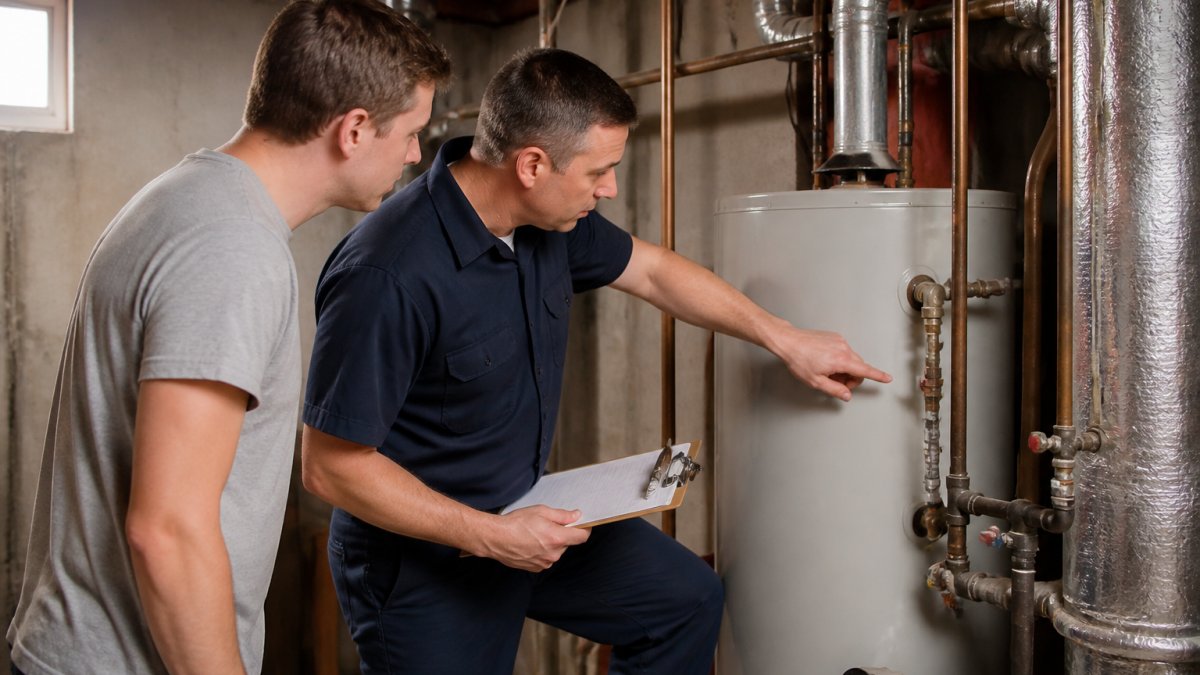
Separating Urgent Defects From Maintenance Items
An urgent defect threatens safety, causes active damage, or blocks normal use, an active water leak, a failed water heater, or a sewer line that backs up. Maintenance items like a dripping faucet, slow drain, or worn supply lines are worth fixing but rarely justify a big ask. The common mistake is treating every line on the report as equal.
- Urgent: active leaks, sewage backups, no hot water, gas line concerns
- Deferred: a water heater near the end of its life, corroded but working pipes
- Maintenance: dripping fixtures, loose handles, minor drain clogs
Plumbing Findings That Are Real Deal Breakers
Some findings change the whole purchase. A cracked sewer line, tree roots that have crushed a pipe, or a failed main line can cost serious money to fix.
The U.S. EPA guide to septic and sewer systems explains why failing lines matter for both health and property. If the report flags the main sewer line, that finding deserves a second look before you sign anything.
How to Get a Home Inspection Plumbing Repair Estimate You Can Trust
A trustworthy estimate is written, itemized, and tied to a specific scope of work. Vague numbers over the phone are guesses, not estimates. When you need a home inspection plumbing repair estimate, ask for it in writing and compare line by line.
What a Written Estimate Should Include
A solid written estimate spells out the work, the materials, the timeline, and who pulls any required permits. Here is what to check:
- Contractor name, license number, and contact details
- Itemized labor and materials
- Clear scope of work, room by room or fixture by fixture
Watch out: a lump-sum estimate with no breakdown is hard to defend during negotiation. Ask for detail before you accept it.
How to Obtain a Plumbing-Specific Estimate
A general home inspector flags a concern; a licensed plumber prices it. The sequence that holds up in negotiation is:
- Pull the exact finding from the report. Quote the inspector's language and photo reference.
- Request a licensed-plumber evaluation of that specific item, not a whole-house re-inspection. Ask for a camera inspection on any drain or sewer finding.
- Ask for the estimate in writing on the contractor's letterhead, with the license number visible.
- Get a second bid on any item above a few thousand dollars, and on any item where the first plumber recommends replacement rather than repair.
- Photograph the finding yourself if access allows, a clear photo of corrosion, standing water, or root intrusion strengthens the request.
Ask each plumber to price the same scope. If one bid includes a permit and another does not, or one assumes slab access and the other assumes a crawlspace, you are comparing apples to oranges and the seller's agent will say so.
Comparing Bids Without Getting Played
Two bids on the same finding can differ for legitimate reasons, so compare them on the same scope. Compare on these axes:
- Scope match. Same fixture, same length of pipe, same access assumption.
- Permit inclusion. A bid that skips the permit is cheaper and riskier; the seller inherits the risk if they do the work.
- Materials. Specify pipe material (for example, copper vs. PEX on supply lines, PVC vs. cast iron on drains) so bids are comparable.
Plumbing Cost Drivers and Estimate Caveats
Plumbing costs vary widely by home age, access, and hidden damage, so treat any single estimate as a starting point, not a quote. Request current pricing from Jersey Shore Sewer & Drain Cleaning directly. The drivers that move a plumbing bid most are:
-
Access. A fixture in an unfinished basement is cheap to reach; the same fixture behind a finished wall or under a slab is not.
-
Pipe material and age. Older galvanized or cast-iron lines often fail adjacent to the repair, turning a spot fix into a section replacement.
-
Permit and inspection requirements. Work that requires a permit adds cost and time, and the permit itself becomes negotiation evidence.
-
Restoration. Drywall, flooring, and landscaping are frequently excluded from plumbing bids and become a separate negotiation item.
Never present a phone quote as an estimate in a repair request. Sellers' agents routinely reject verbal numbers, and a rejected request costs you negotiating leverage you cannot easily recover.
What to Do When the Seller Won't Allow Access
Some sellers refuse a second plumber visit during the inspection contingency. Ask your agent to request access in writing and document the refusal. A refusal to allow a licensed evaluation is itself useful information, and it supports a request for a credit rather than a seller-made repair, because you cannot verify work you were not allowed to scope.
The estimate is not paperwork; it is the argument. A written, itemized, licensed-plumber estimate tied to a specific inspection finding is what converts a vague complaint into a negotiable number.
Seller Repair vs. Plumbing Repair Credit at Closing
A plumbing repair credit at closing is money the seller gives the buyer at settlement instead of making the fix. It is often the cleanest path when the buyer wants control over who does the work.
Here is how the three main options compare:
| Option | Who Does the Work | Best For | Watch Out For |
|---|---|---|---|
| Seller-made repairs | Seller hires contractor | Clear, urgent fixes | Quality varies; verify before closing |
| Closing credit | Buyer hires later | Buyer wants control | Lender limits on credits |
| Price reduction | Neither; price drops | Big-ticket items | Lowers the loan amount too |
When a Price Reduction Makes More Sense
A price reduction fits when the repair is expensive and the buyer wants the cost reflected in the loan. A credit works better for smaller fixes. Ask your real estate agent how your lender treats credits, since loan rules can cap them.
Plumbing-Specific Trade-Offs Between the Three Remedies
Plumbing work has characteristics that make the remedy choice matter more than it does for cosmetic repairs:
- Hidden damage is common. A sewer line or slab leak can look like a spot fix until the plumber opens the ground. A seller-made repair locks in a scope before the hidden damage is known; a credit or price reduction shifts that risk to you, which is sometimes the better trade.
- Permits and inspection. Permitted plumbing work creates a paper trail you can verify. If the seller does the work, insist the permit be pulled in the seller's name and the final inspection completed before closing. If you take a credit, you control the permit and the inspection.
- Warranty transfer. A seller-installed water heater or repipe may carry a manufacturer warranty that does not transfer cleanly. Ask for the warranty documentation at closing.
For any plumbing finding above a few thousand dollars, ask your agent to price both a seller repair and a credit. Sellers sometimes prefer a credit because it closes the file; buyers sometimes prefer a seller repair because it keeps cash at closing. Knowing both numbers lets you pick the remedy that fits your loan and your timeline.
How Lender Rules Shape the Credit Option
Closing credits are governed by the loan program and the lender's underwriting, and limits differ by loan type and by how the credit is characterized. Two practical points matter for plumbing negotiations:
- Credits are capped. Most loan programs limit seller concessions as a percentage of the purchase price, and the cap varies by loan type and down payment. A large plumbing credit can exceed the cap, in which case the excess is typically applied to closing costs or renegotiated as a price reduction.
- Credits must be documented. The credit should appear on the closing disclosure as a seller concession tied to the inspection finding. Ask your agent and loan officer to confirm the credit is structured so it survives underwriting.
A price reduction avoids the concession cap entirely because it changes the purchase price rather than adding a seller credit. That is why large plumbing items, a sewer line replacement, a full repipe, a main line repair, are often negotiated as a price reduction even when a credit would be simpler.
Matching the Remedy to the Plumbing Finding
A practical mapping that holds up in most negotiations:
- Active leak or no hot water: seller repair, completed and documented before closing, because the home is not functional without it.
- Failed water heater at end of life: credit or price reduction, because replacement is predictable and you want to choose the unit.
- Sewer line root intrusion or cracked line: price reduction or credit after a camera inspection and written estimate, because the scope is uncertain until the line is opened.
The remedy is a risk-allocation decision, not a courtesy. Seller repair keeps the risk with the seller but limits your control; a credit or price reduction moves the risk to you but gives you the plumber, the permit, and the warranty. Choose based on how certain the scope is and how much control you want.
Writing a Home Inspection Repair Request Letter That Gets Results
A strong home inspection repair request letter is specific, backed by the report, and free of emotion. State the finding, attach the estimate, and name your ask. That is the entire formula.
Keep it short and factual:
"Per the inspection report dated [date], the main sewer line shows root intrusion. Attached is a written estimate from a licensed plumber. We request a closing credit of $[amount] to cover this repair."
Avoid long lists of small items. Focus on the findings that matter, and let the documentation do the arguing.
Negotiating With the Seller and Real Estate Agent Without Derailing the Deal
Negotiation works best when you treat it as a business conversation, not a fight. Your real estate agent knows the local market and how firm the seller is likely to be. Lean on that.
A few rules that hold up in practice:
- Ask for the important items, not everything
- Bring written estimates to every counteroffer
- Stay inside your inspection contingency deadline
Market conditions matter. In a slow market, sellers bend more. In a hot market with competing offers, push only on safety and structural issues.
Verifying Plumbing Repairs Before Closing
Never take a seller's word that a repair was done. Ask for proof: receipts, permits, and photos. For sewer work, a reinspection with a camera is the strongest proof you can get.
A sewer video inspection guide from the U.S. EPA shows why camera checks matter for buried lines. If you want to understand how video inspection confirms a repair was done right, read our sewer video inspection guide. And if you are confirming the contractor was reliable, see our guidance on finding reliable sewer repair.
Booking a Licensed Plumber to Assess Your Inspection Findings
A licensed plumber can help turn a report into a clear plan. They can confirm what is urgent, what can wait, and what the fix will cost.
Before you hire, know what to ask. Our guide on what to ask licensed plumbers for sewer issues covers the key questions. For context on how findings affect a purchase, see our article on sewer inspection requirements for home buyers. If you are weighing costs, our breakdown of sewer camera inspection cost helps you judge whether an estimate is fair.
At Jersey Shore Sewer & Drain Cleaning, we are licensed, bonded, and insured. We use video inspections and high-pressure hydro jetting to find and fix the real problem, and we offer free quotes.
Frequently Asked Questions
Should a seller repair plumbing problems or offer a credit?
It depends on the defect and the market. A seller repair works best for clear, urgent problems like an active water leak or a failed water heater, where the buyer wants the issue fixed before closing. A plumbing repair credit at closing gives the buyer cash to hire their own licensed plumber and control the scope of work. In competitive markets, sellers often prefer a credit because it avoids scheduling delays. Either way, get the remedy in writing in the purchase agreement and confirm the amount covers a real written estimate.
What plumbing problems are deal breakers in a home inspection?
Most plumbing findings are negotiable, but a few justify walking away. A collapsed or badly damaged sewer line, a failed septic system, or widespread galvanized or polybutylene piping that needs full replacement can cost enough to change the deal math. Active leaks causing structural damage or mold also raise red flags. Get a video inspection and a licensed plumber's written estimate before deciding. If the repair cost and risk outweigh the value, use your inspection contingency to renegotiate or walk away.
How do you get a plumbing repair estimate for a home inspection issue?
Ask the seller for access so a licensed plumber can inspect the specific defect, not just the report summary. Request a camera inspection for sewer line concerns. The plumber should provide a written estimate with the scope of work, parts, labor, permits, and a timeline. Get at least one independent estimate and compare it to the inspector's findings. Present that documented number, not a guess, when you make your repair request or ask for a credit.
Can a buyer ask for repairs after the inspection contingency deadline?
Usually no. The inspection contingency in your purchase agreement sets a deadline, and once it passes you generally lose the right to renegotiate or walk away based on inspection findings. Review your contract with your real estate agent and submit requests in writing before that date. If a new problem appears after the deadline, your options depend on the contract terms and the seller's willingness to negotiate. Missing the deadline is one of the most common and costly mistakes buyers make.
Negotiating plumbing repairs after inspection comes down to clarity: know what is urgent, get written estimates, and verify the work before closing. Jersey Shore Sewer & Drain Cleaning can assess your findings with video inspections, handle sewer and drain repairs, and give you a straight answer on what needs fixing now. Get started with Jersey Shore Sewer & Drain Cleaning and negotiate from a position of knowledge.