 how-to
7 Drain Cleaning New Jersey Mistakes That Cost You
Last Updated: October 24, 2026
Quick Summary
Most drain cleaning in New Jersey goes wrong because homeowners pour chemical cleaners, snake lines blind, and skip video camera inspections before choosing a method. The right method depends on pipe material and what is blocking it, so a camera inspection should come before snaking or hydro jetting on any older or repeat clog.
- Chemical drain cleaners rarely clear a full blockage and can damage cast iron and PVC joints.
- If the same drain backs up twice in a season, get a camera inspection instead of choosing snaking or jetting.
- Multiple fixtures draining slowly at once means the blockage is in the main line, not a trap.
- Kitchen lines need grease scoured off the pipe walls or they re-clog within weeks.
- A legitimate quote names the method, the reason for it, and what happens if the camera finds damage.
Table of Contents
- Why Drain Cleaning in New Jersey Goes Wrong So Often
- Mistake 1: Pouring Chemical Cleaners Down a Clogged Drain
- Mistake 2: Snaking a Drain Without Knowing What's Blocking It
- Drain Snaking Service vs. Hydro Jetting for Clogged Drains
- Mistake 3: Skipping a Video Camera Drain Inspection
- Mistake 4: Ignoring Slow Drains Until They Become Sewer Backups
- What Professional Drain Cleaning Cost Actually Includes
- Mistake 5: Treating Kitchen Sink Drain Cleaning Like Bathroom Drain Cleaning
- Frequently Asked Questions
Why Drain Cleaning in New Jersey Goes Wrong So Often
Most drain problems in this state don't start as emergencies. They start as slow drains that homeowners ignore for weeks, then treat with a bottle of chemicals, then attack with a rented snake, and finally hand to a plumber who inherits a mess three mistakes deep.
The housing stock is the root cause. Cast iron, galvanized steel, and clay tile lines dominate buildings put up before the 1970s, and those materials fail differently than modern PVC.
Below, we'll walk through the seven mistakes we see most often and what to do instead. Get these right and you'll spend far less on emergency service and avoid repeat visits.
Mistake 1: Pouring Chemical Cleaners Down a Clogged Drain
Store-bought chemical drain cleaners are the most expensive cheap fix on the market. They rarely clear a full blockage, and the caustic formulas sit in standing water against your pipes, generating heat that damages older joints and thin-walled metal.
Watch out: repeated chemical use on a partial clog can soften cast iron and eat through the glue on PVC fittings, turning a clearing job into a pipe repair.
What actually happens when you pour:
- The chemical sinks to the blockage and burns a channel through it, not the whole clog
- Water flows briefly, then the clog re-forms within days
- Residual chemical stays in the line and can splash back on the next person who opens the trap
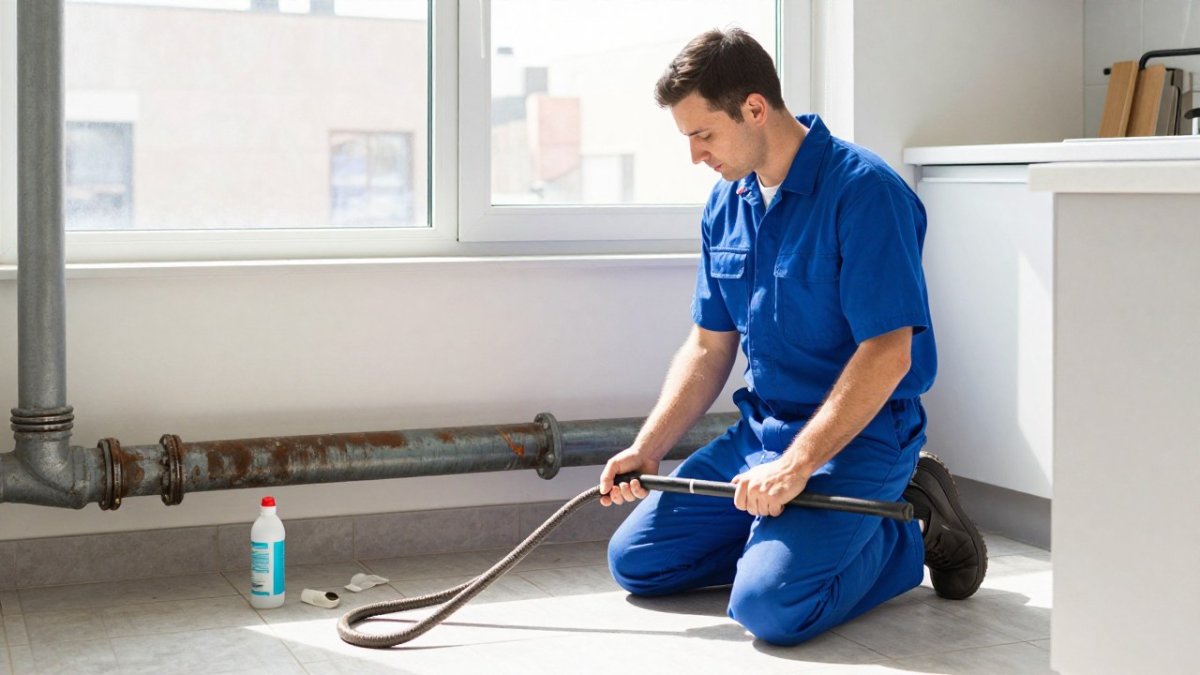
The safer first step is mechanical: a plunger or a hand auger on a fixture trap. If the water still won't move, stop. A drain snaking service or hydro jetting for clogged drains attacks the blockage physically, which is what a real clog requires.
Mistake 2: Snaking a Drain Without Knowing What's Blocking It
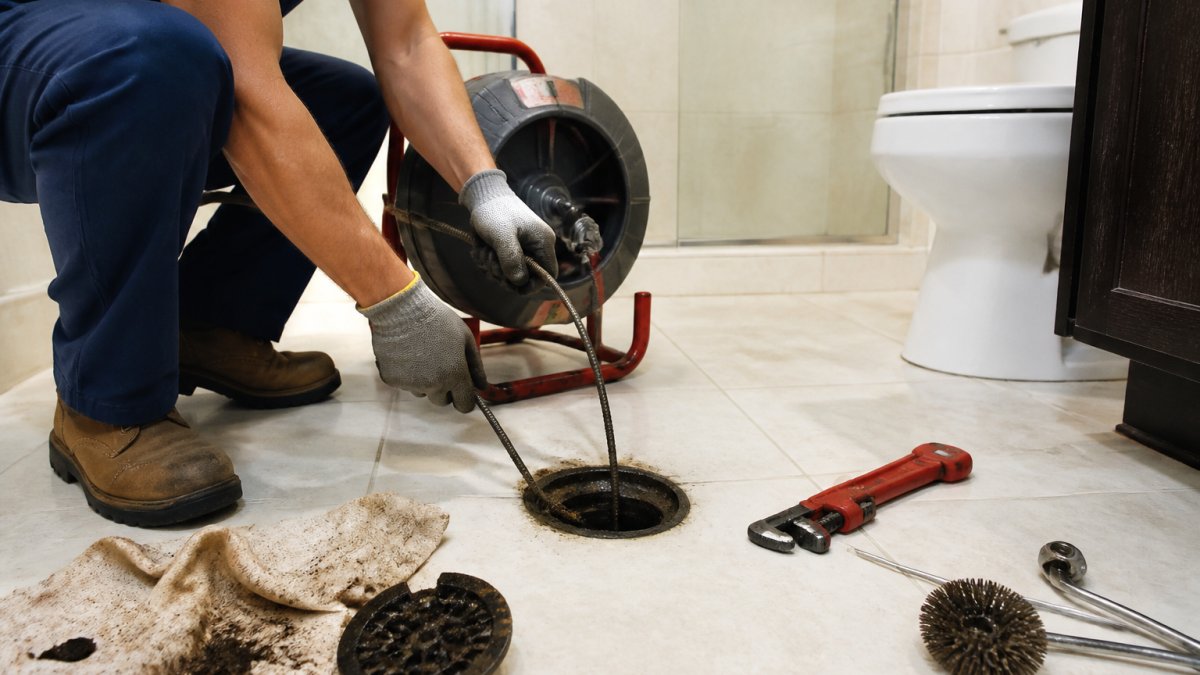
Running a cable into a line blind is how small problems become big ones. Snaking works by cutting through or pushing past soft blockages, but a cable meeting a collapsed pipe, a root mass, or heavy grease just punches a hole and leaves the rest behind.
A common mistake is assuming every backup is grease. In older Shore properties it's often roots or a broken joint, and a snake will clear just enough to restore flow for a few weeks before the same call comes back.
Before anyone runs a cable, ask two questions: what material is the line, and has anyone looked inside it? If the answer to the second is no, the snaking is a guess.
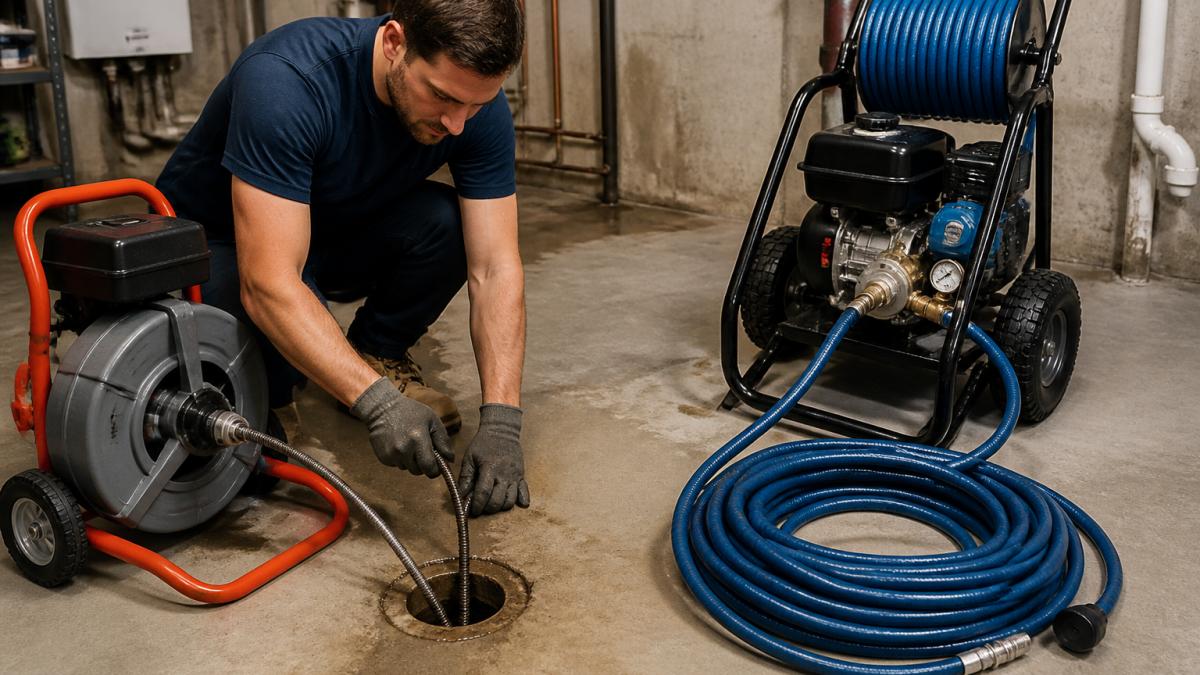
Drain Snaking Service vs. Hydro Jetting for Clogged Drains
The right method depends on what is in the pipe, what the pipe is made of, and how much of the pipe wall the clog has coated.
Mistake 3: Skipping a Video Camera Drain Inspection
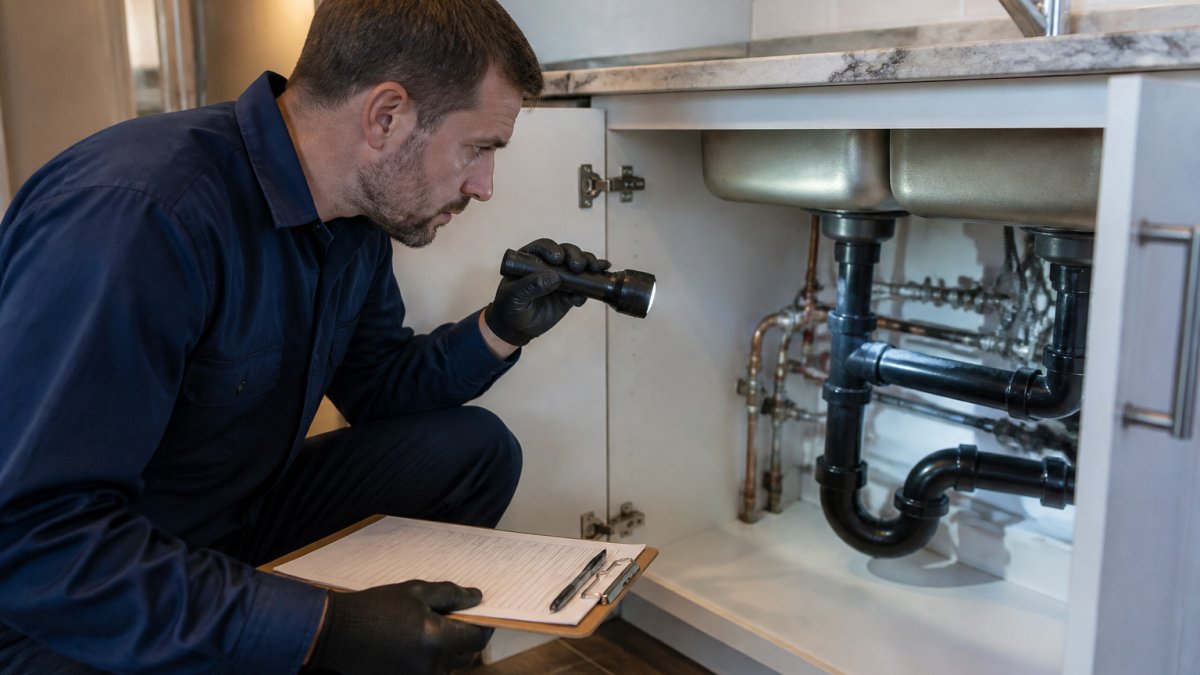
A video camera drain inspection is a diagnostic step that sends a camera through the line to record the actual condition of the pipe before any cleaning begins. It turns guesswork into a plan.
Skipping it is how homeowners end up paying twice. A camera shows whether the blockage is grease, roots, a collapsed section, or a foreign object, and it reveals pipe damage a cable would otherwise hide. You can read more about the benefits of video pipe inspections and how they find problems fast.
For a seller needing a sewer inspection certificate, or a buyer worried about what's under the slab, the camera is the whole point of the visit.
Mistake 4: Ignoring Slow Drains Until They Become Sewer Backups
A slow drain is the cheapest warning you'll ever get. It means flow is restricted but not stopped, and it usually gives you days or weeks to act before a full sewer backup floods a basement.
Watch out: if multiple fixtures drain slowly at once, the blockage is in the main line, not a trap. That's a call-now situation, not a wait-and-see.
The progression is predictable:
- One sink drains slowly
- A second fixture starts gurgling
- Water backs up in the lowest drain during heavy use
- Sewage appears in the basement or floor drain
Older homes near the Shore are especially prone to that last step, since roots and aging clay lines combine with high groundwater. If you're in an older property, our guide to preventing sewage backups in older homes covers the maintenance schedule that keeps step four from happening.
What Professional Drain Cleaning Cost Actually Includes
Professional drain cleaning cost depends on the method, the access, and what the inspection finds, not on a flat rate pulled from a menu. Anyone quoting a firm number before looking at the line is guessing. The useful question is not "what does drain cleaning cost" but "what drives the price up or down on this specific line."
Here is the cost structure a legitimate quote should walk through, in the order it affects the bill:
- Access and clean-outs. A basement clean-out within reach is the cheapest access. A line with no clean-out, a buried clean-out, or a roof-vent entry adds labor and equipment time. Roof-vent work in particular requires ladder setup and a second person, which is why it prices higher than a floor drain.
- Method. A hand auger on a fixture trap is the lowest-cost service. A motorized drain snaking service on a branch line is next. Hydro jetting costs more because it requires a pressure unit, a water source, and containment, and it is usually paired with a camera. Camera inspection is a separate line item when it is not bundled.
- Line condition and length. A short branch line under a sink is quick. A long main line to the municipal connection, a line with bellies or offsets, or a line that requires multiple passes takes more time and more cable or hose. Failing cast iron or clay tile can require a gentler, slower approach that costs more in labor.
- Emergency timing. After-hours, weekend, and 24/7 dispatch calls carry scheduling premiums because they pull a crew off the board. A weekday appointment is almost always the lower-cost path when the drain is slow but not backed up.
- Follow-up verification. A post-cleaning camera pass adds time but confirms the clog is gone and the pipe is intact. Skipping it is how a "cleared" drain turns into a repeat visit and a second bill.
A common pattern is that the cheapest advertised price covers only the simplest case: a single fixture, easy access, no camera, weekday. When the technician arrives and finds a main-line clog or a damaged pipe, the price moves. That is not a bait-and-switch if the quote explains it up front, and it is a red flag if it does not.
We give free quotes and explain what each option covers before work starts. For the full breakdown, see our professional drain cleaning services NJ guide. The honest version: a quote should tell you the method, the reason for it, and what happens if the camera finds damage.
Mistake 5: Treating Kitchen Sink Drain Cleaning Like Bathroom Drain Cleaning
Kitchen and bathroom drains clog for completely different reasons, and the same fix rarely serves both.
That difference changes the method. A bathroom sink clog is often cleared at the trap or with a short cable. A kitchen line needs the grease scoured off the walls, or it re-clogs within weeks.
The same logic applies to scale. Commercial plumbing in a restaurant kitchen loads far more grease than a home sink, and residential plumbing in a busy household loads more hair than a single occupant's bathroom.
Drain problems rarely fix themselves, and the mistakes above are the ones that turn a small clog into a sewer repair.
Frequently Asked Questions
How much does professional drain cleaning cost in New Jersey?
Professional drain cleaning cost depends on the blockage type, drain location, and method used. A simple sink or tub clog costs less than a main sewer line job that requires hydro jetting or camera inspection. Jersey Shore Sewer & Drain Cleaning provides free quotes before any work starts, so you know the scope before you commit. Ask for the quote in writing and confirm whether the price includes a video camera drain inspection.
Is hydro jetting better than drain snaking for clogged drains?
They solve different problems. A drain snaking service punches a hole through a clog, which restores flow but can leave grease and scale on the pipe walls. Hydro jetting for clogged drains scours the full pipe interior with high-pressure water, clearing buildup a snake cannot reach. Snaking suits isolated clogs; hydro jetting suits recurring blockages and grease-heavy lines. A video camera drain inspection tells you which one your pipe actually needs.
When should I call a professional for a clogged drain instead of using a plunger?
Try a plunger and a drain strainer first for a single slow sink or tub. Call a licensed plumber when multiple fixtures drain slowly at once, when water backs up into a tub or floor drain after flushing, when you smell sewage, or when the same drain clogs again within a few months. Repeated clogs usually mean buildup or a damaged pipe deeper in the line, and a video camera drain inspection finds the cause.
How can I prevent drains from clogging again after a cleaning?
Keep grease out of the kitchen sink by wiping pans into the trash, not the drain. Use strainers in every tub and shower to catch hair, and run hot water for 30 seconds after each use. Flush rarely used floor drains monthly to keep trap seals wet. For older properties, schedule a maintenance visit every 12 to 18 months so a video camera drain inspection catches root intrusion and scale before it becomes a sewer backup.